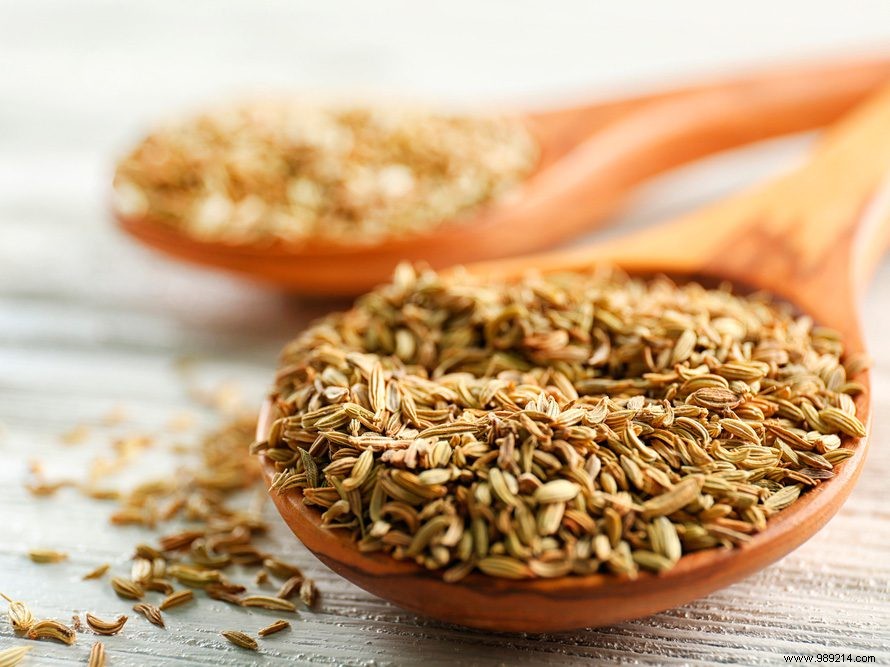
Cumin delivers a bold, spicy flavor to curries, couscous, and sweet potato fries. As a culinary expert with years of experience in global cuisines and nutrition, I've seen how this versatile spice also offers proven health benefits backed by its rich nutrient profile.
1. Packed with Essential Minerals
Just 4 grams of cumin provides 15% of your daily iron needs, crucial for metabolism and oxygen transport in the blood. It also supplies manganese (7%), calcium (4%), and magnesium (3.8%). These minerals support strong bones, sustained energy, and healthy muscle function.
2. Boosts Digestion Naturally
Cumin stimulates thyroid enzymes that promote efficient digestion, helping alleviate both constipation and diarrhea for smoother gut health.
3. Versatile Kitchen Essential
Cumin shines in everyday cooking—sprinkle ground cumin into coffee or blend seeds into vegetable smoothies for a nutrient boost. Pro tip: Soak seeds in water for 10 minutes first to unlock maximum flavor.
4. Strengthens Immunity with Antioxidants
Rich in antioxidants, cumin helps your immune system combat free radicals—unstable molecules that damage cells and raise cancer risk.
Read also: What is the difference between cumin and caraway?
Grow Your Own Cumin
Cultivate cumin effortlessly at home. Sow seeds in sunny garden spots from May to June, watering consistently. Plants bloom in weeks, with ripe seeds by August. Gently rub seed heads to harvest, and store extras in a dark, airtight jar for next season's planting.
