
Can you freeze cheese? As someone who's bought more than I can eat on impulse—eyes bigger than stomach—I've asked this question many times.
Many foods freeze well, so why not cheese? To get expert insight, I turned to my trusted local fromager (cheesemaker). His advice? Yes, you can freeze cheese, but follow these crucial rules for best results.


1. First rule: Confirm the cheese has never been frozen before. Refreezing risks foodborne illness.
2. Chill it in the fridge for a few hours first. This helps preserve flavor and ensures even freezing.
3. Wipe the surface with a clean cloth to prevent mold growth.
4. If over 500g, cut into 2-3 pieces, slices, or grate. Freeze separately for uniform results and easier use later.
5. Keep in original packaging, then seal in a freezer bag (expel air) or airtight glass container. Skip plastic ones—they absorb odors.
6. Label with freeze date and cheese type.
Now it's freezer-ready. Simple, practical, and budget-friendly.
With storage covered, not all cheeses freeze equally well.

Key principle: Lower moisture content freezes better. High-moisture cheeses can freeze too, but texture may suffer—no health risks, though.
Safely freezable cheeses include:
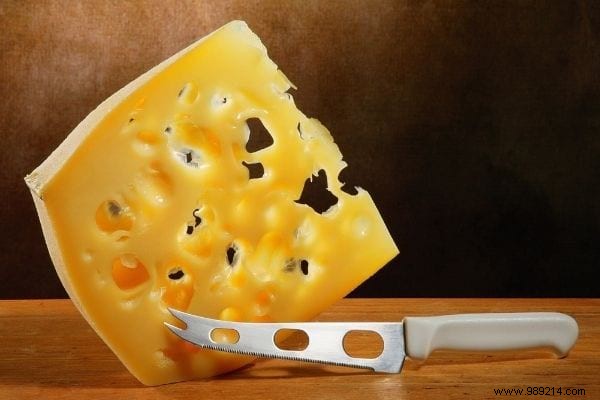
Dry varieties like crottins hold flavor and texture perfectly. Fresh goat cheese freezes but turns grainy, reducing creaminess.
List: Comté, Gruyère (grated or whole), Emmental, Abondance, Beaufort, Gouda...
Cooked pressed cheeses freeze flawlessly, retaining full flavor and texture.

List: Raclette, Morbier, Cantal, Reblochon, Saint-Nectaire, Cheddar, Tomme de Jura or Savoie...
Uncooked pressed cheeses freeze well whole, sliced, or in bags. Flavor and texture hold up nicely.
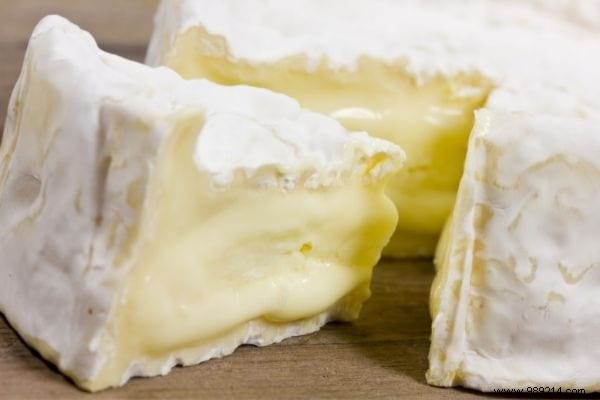
List: Camembert, Brie, Coulommiers, Neufchâtel, Saint-Marcellin, Chaource, Brillat-Savarin, Maroilles, Livarot, Munster, Époisses, Langres, Mont d'Or, Pont-l'Évêque, Banon, Rocamadour, Pélardon, Chabichou du Poitou, Mâconnais, Selles-sur-Cher.
Soft cheeses with bloomy, natural, or washed rinds freeze okay in boxes or slices. Texture gets slightly mealy but ideal melted in pizzas, gratins, tartiflette, or crêpes.
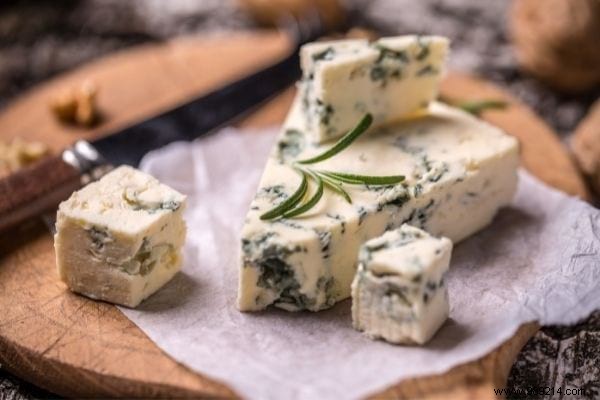
List: Roquefort, Bleu d'Auvergne, Fourme d'Ambert, Stilton...
Blue cheeses freeze safely but dry out and crumble. Great crumbled on salads, pizzas, sauces, or crêpes.
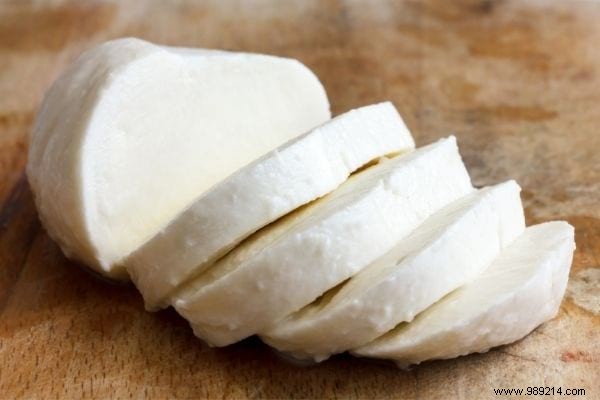
List: Mozzarella, Ricotta, Mascarpone, Feta, Boursin, Saint Môret, Philadelphia, fresh Tomme d'Aubrac.
High-moisture fresh cheeses become lumpy but melt seamlessly in pizzas or gratins. Slice buffalo mozzarella with/without liquid.
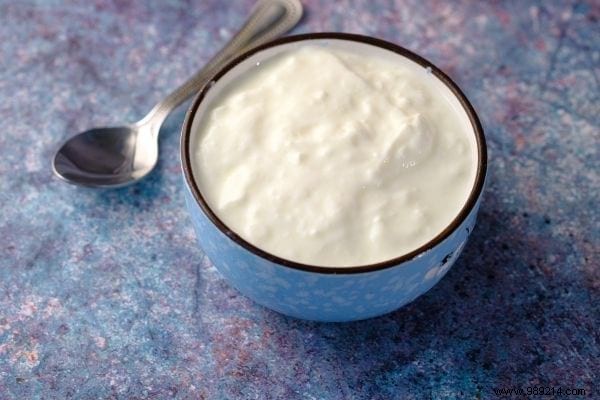
List: Fromage blanc, cottage cheese...
Not recommended: They turn watery and lumpy. If needed, freeze in original pot, then whisk post-thaw for cooking (e.g., cream substitute).
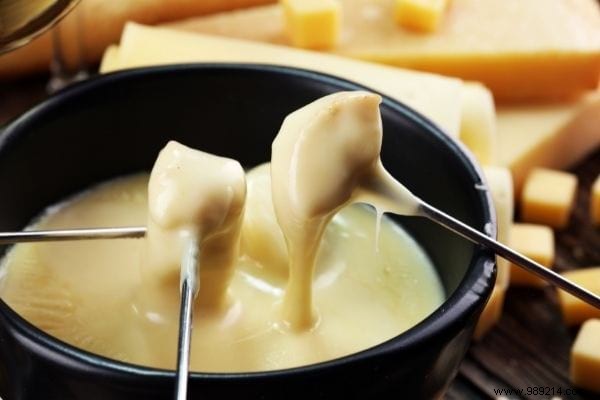
List: Savoyard fondue, Swiss fondue, Cancoillotte.
Processed cheeses freeze well after firming up in the fridge first.
Freezing slows but doesn't halt maturation. Store for 2-3 months max to preserve flavor, nutrition, and texture.
Thaw slowly in the fridge for 10 hours. Consume or cook promptly afterward.
