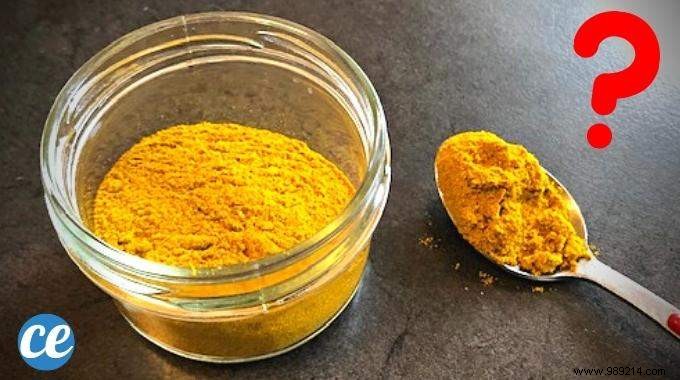
Need a turmeric substitute? As a passionate home cook, I've faced this dilemma mid-recipe—like last Sunday when I ran out. My restaurant chef friend shared these expert tips, which I've relied on ever since.
These 7 proven alternatives maintain color, flavor, and health benefits without compromising your dish.
 Contents
 Turmeric shines for its vibrant color and health perks more than bold flavor. Sweet paprika steps in seamlessly with its matching orange hue and subtle taste enhancement—no heat, just perfection.
Mild curry mirrors turmeric's golden color. Ideal if color is your priority, it adds a touch more flavor—use sparingly to keep things balanced.
Cumin packs a stronger, earthy punch, making it perfect for savory dishes craving a bitter edge, like those with chicken, white fish, carrots, or tomatoes in exotic recipes.
Saffron delivers a sunny yellow tint, as seen in paella. Less orange than turmeric but effective for color; its mild, non-spicy profile makes it a reliable swap.
Fresh ginger won't color your dish but imparts a unique zing. I favor it in sweet-savory blends, where its subtle sweetness elevates the profile.
Known as "false saffron" from Egypt, safflower is a budget-friendly yellow colorant with a mild, sweet taste suitable for any cuisine.
This blend of cumin, turmeric, fenugreek, and chili offers robust flavor without overwhelming heat. Expect a redder hue—great if taste trumps exact color.
Common in Asian soups like Thai shrimp, turmeric is key. My chef friend recommends mild curry to preserve color and subtle spice in exotic broths.
