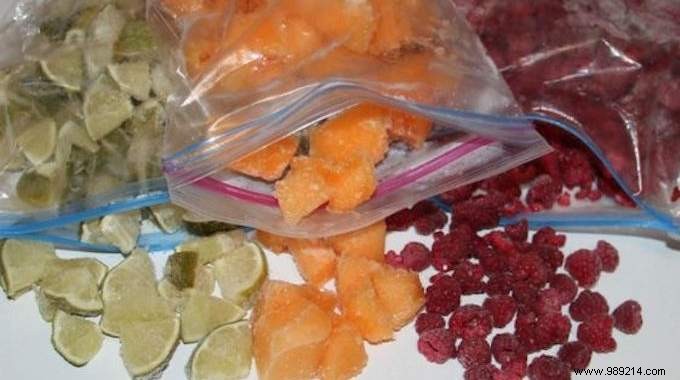
As someone who regularly shops with local farmers' cooperatives for fresh, bulk produce, I've learned to maximize savings without waste. Buying large quantities is healthy and economical, but you can't consume it all immediately.
Recently, I bought 5 kg of cheese, and the cashier ahead of me wondered what I'd do with it all. 'Freeze it,' I said. She was surprised—many people don't realize how much you can freeze effectively.
Here are 31 foods you can freeze to save time and money. These tips come from years of practical home cooking and storage:
Frozen dairy should always thaw in the fridge—never at room temperature—to avoid bacterial growth. Allow 8-10 hours for defrosting and use promptly.
Pasteurized or sterilized milk freezes well for up to 6 months in its original container. Leave space for expansion, as liquids expand when frozen. It may yellow slightly but returns to normal upon thawing. Shake thoroughly after full defrost to blend the cream and whey evenly.
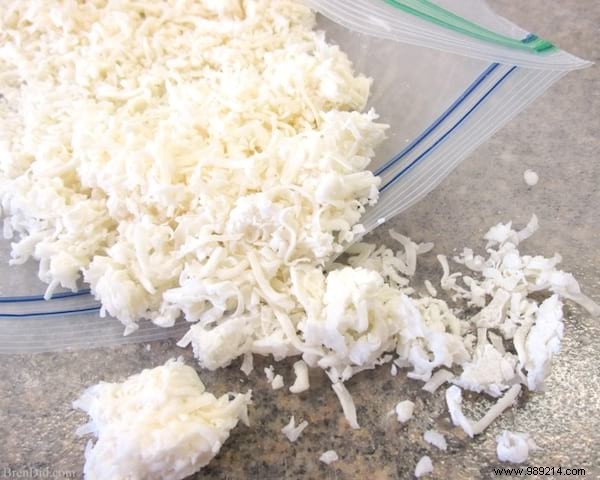
Grated cheese freezes better than blocks. Thawed blocks can crumble when sliced, though the flavor remains excellent—just less visually appealing.
Crack eggs before freezing. Portion them into ice cube trays or jars for easy use in recipes.
To discover: 10 Incredible Uses of Eggshells.
These freeze and thaw perfectly, maintaining texture. Stock up during sales without worry.
Occasional-use dairy freezes reliably. Grab discounted near-expiry items and freeze before the date—consume soon after thawing.
Freeze bulk or near-expiry yogurt tubs, or homemade batches. Add popsicle sticks for frozen treats.
Freeze peeled and sliced for smoothies, cakes, or compotes—they'll soften and darken but work perfectly. Avoid freezing in skins for easier handling.
To discover: 10 Uses of Banana Peel You Didn't Know About.
Wash first, then freeze for a refreshing snack. Eat frozen to avoid mushiness, or blend into smoothies. Bulk-buy on sale.
Cube, freeze on trays, then bag for smoothies or salads—portion control made easy.
To discover: How to Choose the Right Melon? 4 Essential Tips!
Slice and freeze citrus (skin on for lemons/limes) or juice in ice cube trays for recipes.
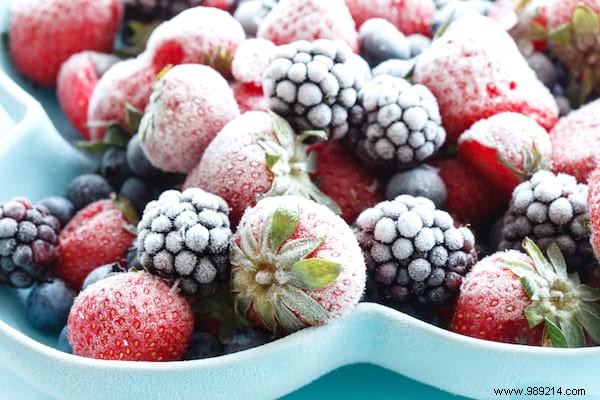
Wash and hull before freezing. Great thawed (slightly soft) for pies, jams, or smoothies.
Freeze applesauce or other fruit compotes—flavor and texture hold up well.
Wash ripe ones, remove cores, and freeze. Thaw for sauces or soups—less firm but ideal cooked.
Slice or grate and freeze; drain excess water after thawing.
Peel, chop, tray-freeze, then bag—grab exact amounts without tears.
Freeze spinach, chard, etc., straight into smoothies—no thawing needed. Prevents fridge waste.
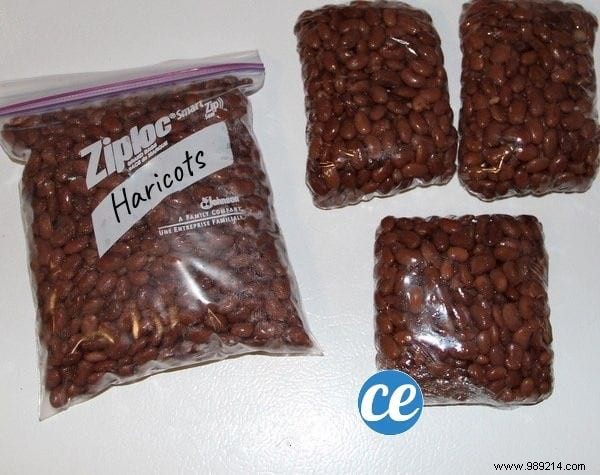
Cook, portion, and freeze—fresher, tastier, and cheaper than canned.
Freeze whole in husks; thaw to eat.
Portion potato, pumpkin, or carrot mash into containers, then bags. Soups work similarly for quick meals.
To discover: Grandmother's Secret to Making Delicious Mashed Potatoes.
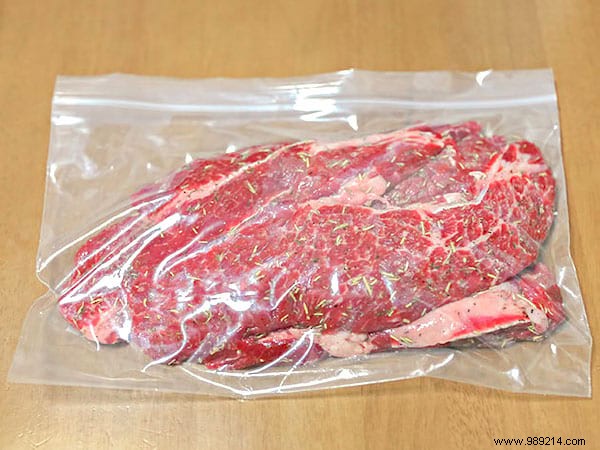
Buy bulk from butchers or farms, portion, and freeze—far more economical than weekly shops.
Freeze whole bulbs or cloves—use like fresh post-thaw.
To discover: No More Need to Buy Garlic! Here's How To Grow An Infinite Stock Of It At Home.
Freeze cooking juices from poultry for future soups.
Freeze chopped in ice cube trays (plain or with oil) to preserve freshness.
Cook, drain well, flatten in bags with air removed—perfect for batch prep.
Batch-cook batter or finished items, bag flat—quick breakfasts ready.
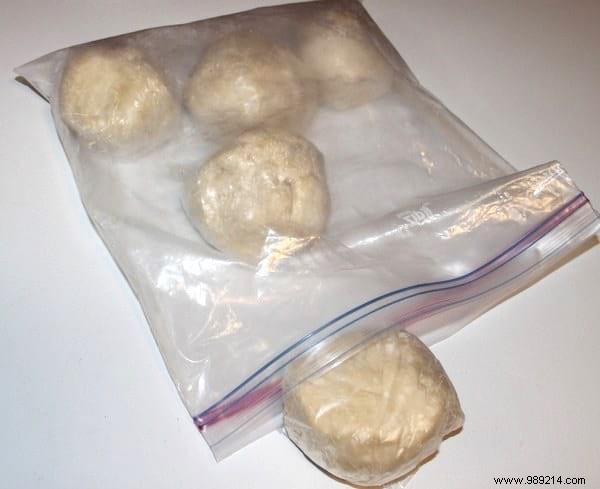
Form balls, wrap, bag—thaw as needed for effortless pies.
Portion into balls and freeze—bake fresh anytime.
Baguettes and loaves freeze well—convenient for rural living.
Freeze after first rise; thaw and shape. Easy for beginners.
To discover: My Easy, Fast and Cheap Pizza Dough Recipe!
Assemble and freeze in bread that holds up well—lunch prep simplified.
Portion stews, roasts, or baby food—instant meals on demand.

Know other freeze-worthy foods? Share in the comments—our community loves your tips!
