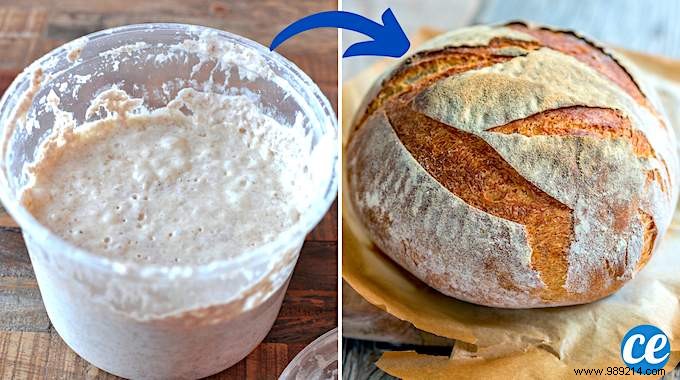
Looking to make homemade baker's yeast? You're in the right place. As a home baking enthusiast with years of experience, I've shared these trusted recipes from professional bakers to create fresh, natural yeast for superior bread.
Why buy commercial yeast when you can craft it yourself? It's more natural, cost-effective, and straightforward. Here are three reliable methods using beer, potato, or flour.
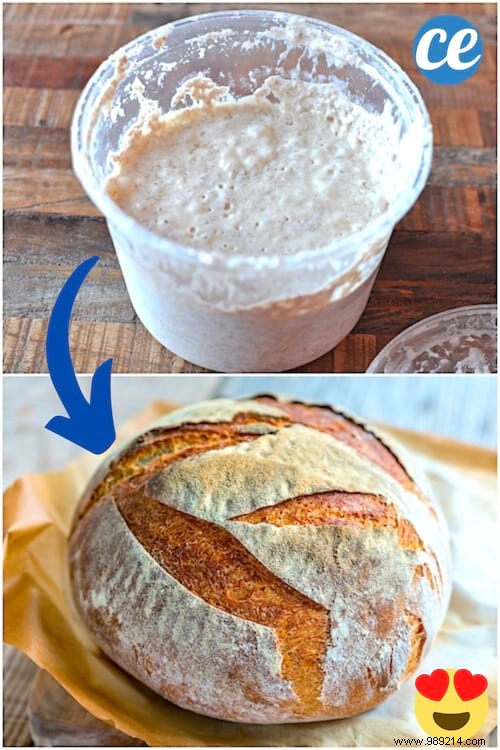
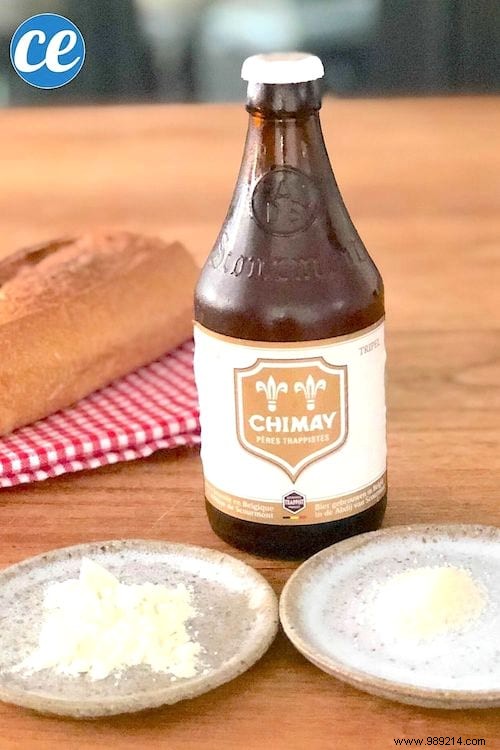
This first recipe uses unpasteurized beer or cider for active fermentation. Pasteurized store-bought beer may not work effectively—opt for craft or Trappist beer to ensure your dough rises properly.
- 100 ml craft or Trappist beer
- 1 teaspoon sugar
- 1 tablespoon flour
1. Pour the beer into a container.
2. Add sugar and flour.
3. Mix thoroughly.
4. Let stand overnight at room temperature.
5. If no activity, allow a few more hours.
Your beer-based fresh yeast is ready—about 50g, perfect for bread. Store in an airtight jar in a cool place (around 4°C) for up to 10 days. Simple and effective, no special equipment needed.
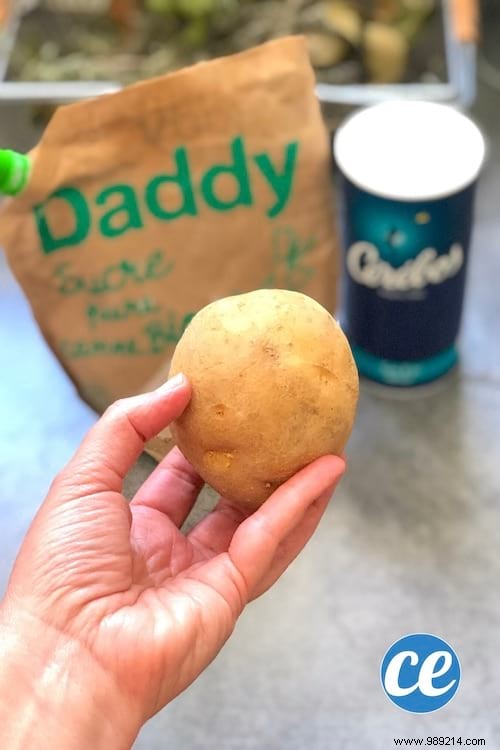
This surprising yet reliable method uses a potato—something you likely have on hand. It's as easy as the beer version and yields consistent results.
- 1 medium potato
- 1 tablespoon sugar
- 1 tablespoon salt
- 4 cups boiling water
- 1 sachet dry yeast (optional)
1. Peel and rinse the potato.
2. Boil in water until soft.
3. Remove potato, reserving cooking water.
4. Mash potato on a plate.
5. Mix in salt and sugar.
6. Cool the mixture.
7. Add to cooking water.
8. Stir in dry yeast if using.
9. Cover and ferment in a warm spot (>20°C) for 1-2 days.
Success! If no fermentation, discard and retry—patience pays off for homemade quality.
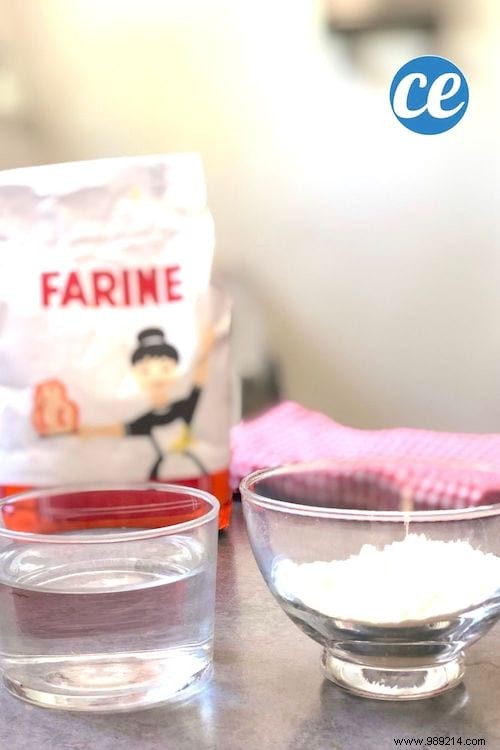
An ancestral technique using unbleached wheat flour. This natural sourdough-style starter builds robust yeast over time.
- 1/4 cup flour
- 1 cup lukewarm water (not hot)
1. Add flour to a jar.
2. Pour in water.
3. Cover loosely.
4. Place in a warm spot until bubbly and risen (1-7 days, depending on conditions).
Ready to use! Take 1 cup for bread; refresh the rest with equal parts water and flour.
Use just like store-bought: 1 cup wet yeast = 1 packet dry yeast.
- Salt preserves, sugar feeds the yeast—measure precisely to avoid deactivation.
- Sterilize equipment to prevent bacterial contamination.
- Baking soda replaces baking powder, but not yeast.
- Revive dry yeast: Sprinkle on 10 cl lukewarm water, wait 10 min for foam, add 1 tsp sugar.
- Avoid composting yeast to prevent bacterial imbalance.

A live fungus that ferments dough, producing CO2 for rise. Unlike brewer's yeast (alcohol-producing, inactive).
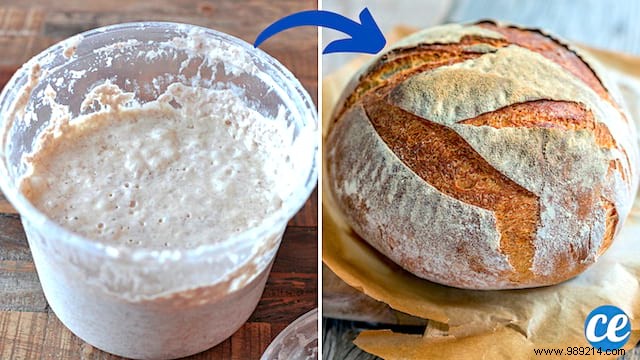
- Fridge in airtight container: up to 10 days.
- Freeze cubes; thaw in warm water.
- Avoid extremes: not above 50°C or below -20°C.
