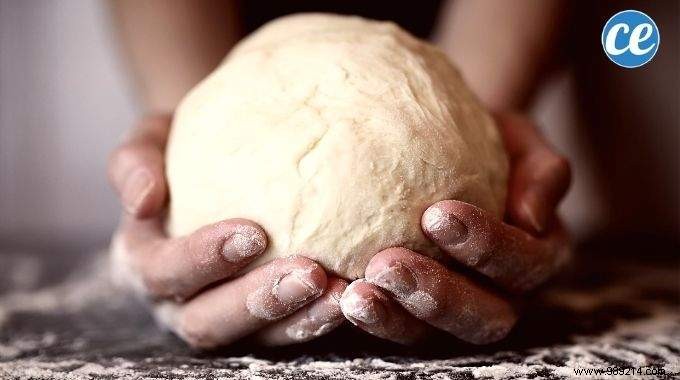
As a seasoned home baker, I've perfected a reliable trick to ensure bread dough rises consistently and impressively. This method cuts rising time to just 3 hours, delivering light, fluffy results every time.
I rely on it for all my homemade bread recipes, and my family raves about the fresh, airy loaves it produces.
The secret? Position your dough bowl near a warm radiator for fast, even rising. Here's how:

1. Prepare your bread dough using your trusted recipe.
2. Transfer it to a bowl.
3. Dampen a clean kitchen towel with water.
4. Cover the bowl loosely with the damp towel.
5. Place the bowl near a radiator set to around 30°C (86°F), in a draft-free spot.
With this technique, your dough will double in size within 3 hours, yielding tender, well-aerated bread without needing fancy equipment.
Simple, effective, and backed by generations of bakers—your loaves will have that perfect crumb and flavor.
Typical rising times range from 3-5 hours depending on recipe, flour type, yeast, or sourdough. Overnight rests work too, but monitor to avoid overproofing.
- Shield the dough from drafts to maintain steady warmth.
- Oven alternative: Proof at 30°C with the light on—no higher.
- Try near a stove or fireplace for similar gentle heat.
- Perfect for pizza or brioche dough too. For easy homemade pizza, check this foolproof recipe. For ultra-soft brioche, use this one.
- Slow cooker bread? Yes—details here. Gluten-free option here.
Yeast, a living fungus, thrives in warm, humid conditions between 25-30°C (77-86°F). Heat activates it to produce CO2, trapped by gluten for that signature rise. Never exceed 50°C to avoid killing the yeast.
The damp cloth retains moisture, prevents drying, and shields from contaminants—essential for optimal activation.
Put this time-tested trick to work on your next batch. Share your results in the comments—we'd love to hear how it goes!
