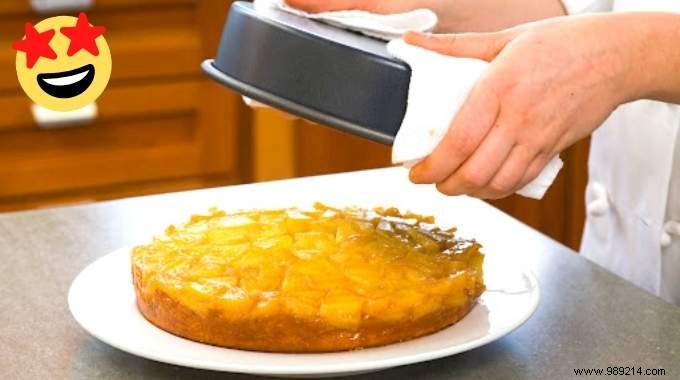
Struggling to unmold a cake without it crumbling or breaking? It's a common frustration, especially when guests are waiting.
I've perfected these techniques with advice from my brother, a professional pastry chef. No more disasters—just flawless cakes every time.
Here are 6 easy, reliable tips for unmolding any homemade cake without damage. Watch how simple it can be:
This classic method is one of the most effective. Before adding batter, spread softened butter evenly over the mold's interior walls.
It prevents sticking, so the baked cake releases smoothly.
For a dairy-free option, line with parchment paper—it works just as well.
If you prefer skipping butter, a springform pan is ideal. Its clip mechanism lets you open the sides easily after baking.
It's airtight to contain batter, ensuring your cake lifts out intact, without wall adhesion.
Affordable and highly effective, silicone molds are naturally non-stick. Batter won't cling during baking, making unmolding effortless.
Dough composition affects behavior: high-flour recipes shrink and release easily post-bake.
Low-flour, flexible batters are fragile—grease well or use parchment to avoid issues.
Unsure when to unmold? Fragile, low-flour cakes need cooling first—remove from oven, rest briefly, then unmold.
Flour-heavy doughs unmold best hot; transfer to a wire rack to cool afterward.
Forgot to grease? No problem. Submerge the hot mold in ice water for a quick contraction that loosens the cake.
Avoid with glass molds to prevent cracking.
Put these pastry chef-approved methods to the test. Share your results in the comments—we'd love to hear how they worked for you!
