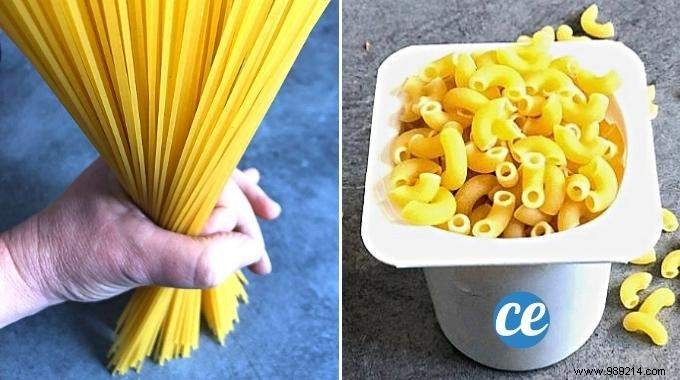
Discover how to dose pasta perfectly without a kitchen scale. As a home cook who's struggled with too much or too little in the past, I've learned reliable methods from a professional chef friend. These tips ensure you never overcook or waste again.
Before mastering these, I either had pasta overflowing the pot or guests going hungry. Now, it's foolproof.
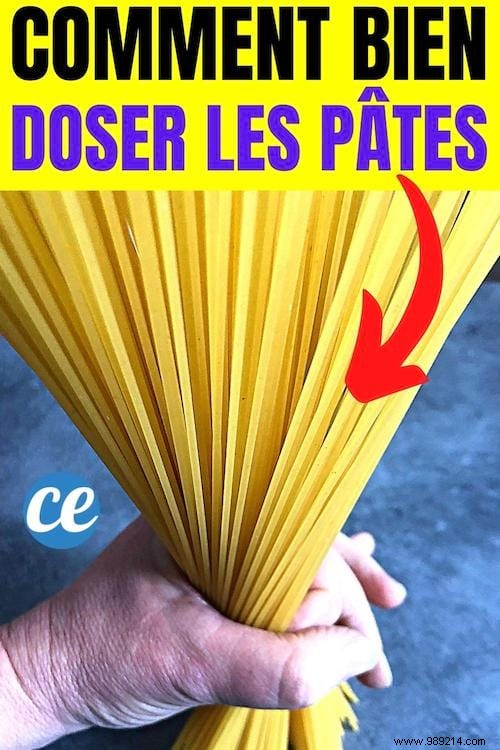

Always measure pasta dry— it doubles in volume and weight when cooked. For a main course, plan for 100 g of dry pasta per person, adjustable from 80-120 g based on appetite. At my table with hearty eaters, it's often 120 g each—for four, that's nearly a full 500 g package.

For sides with meat or veggies, 60 g dry per person is ideal. For pasta soup, reduce to 50 g.
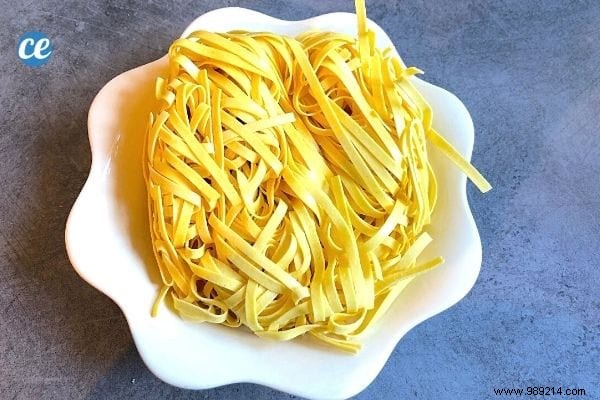
Fresh pasta is denser and doesn't expand much when cooked. Use 120-180 g per person for mains, or 100 g as a side—the amount you want on the plate.
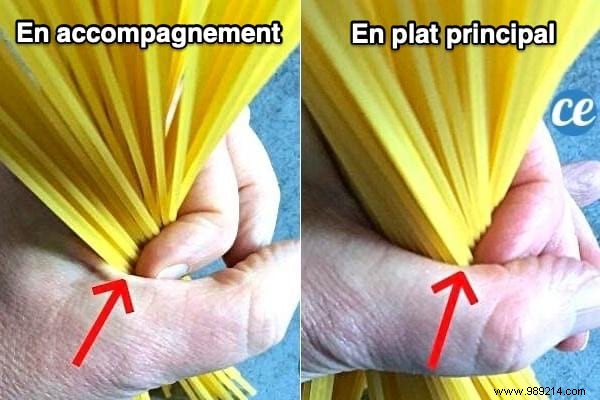
No scale? Use your hand: For sides, index finger to thumb base. For mains, index to thumb knuckle—that's one portion.
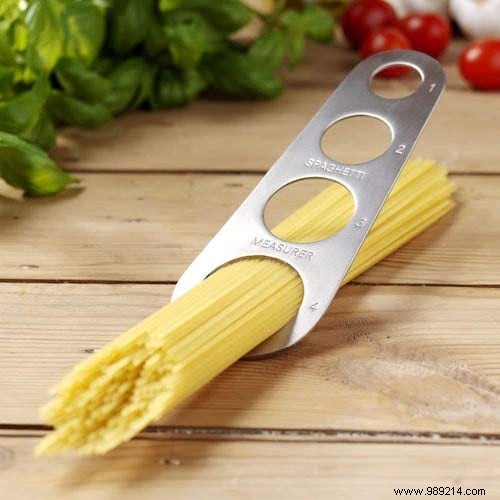
A pasta measurer has holes for 1-4 portions—precise and handy.
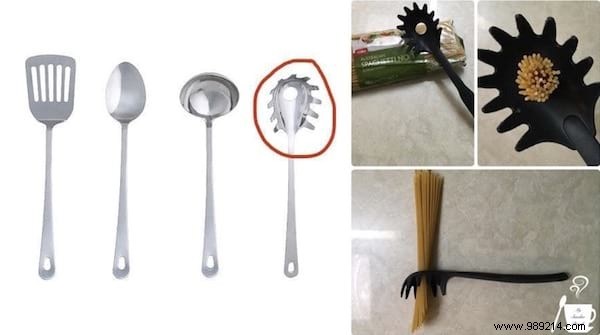
The hole in your spaghetti spoon is designed for one portion—fill it and go.
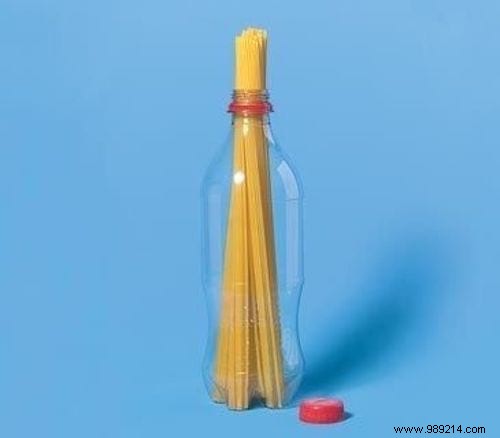
A small bottle neck (2 cm diameter) holds one portion. Avoid large ones to prevent sticking.
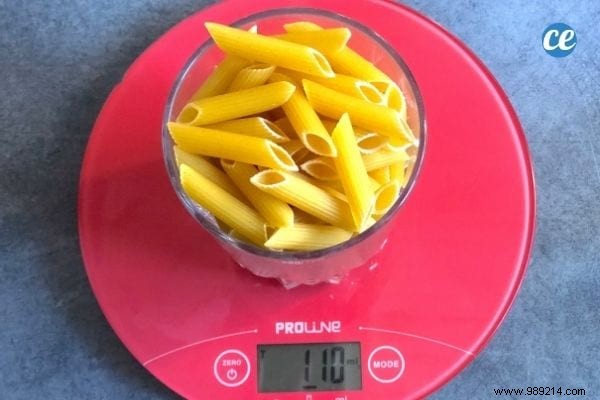
One portion of penne (or similar like farfalle, fusilli) is a small mustard glass full for mains; half for sides.
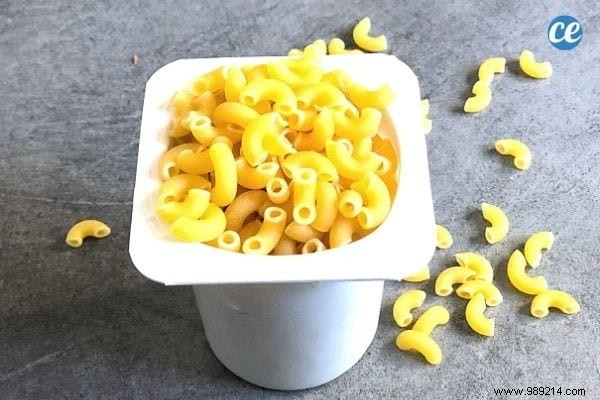
Fill a yogurt pot for one main portion of small shells; half for sides.
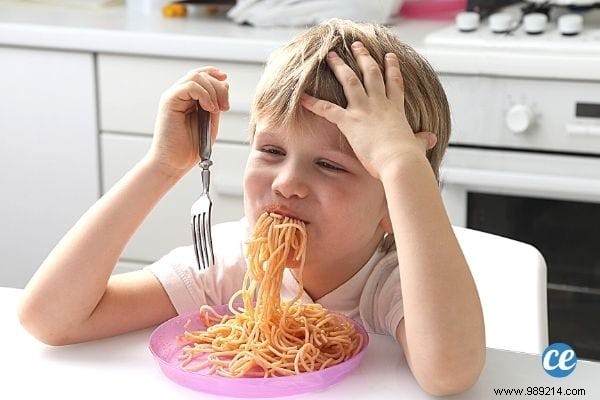
Under 3 years: 30 g. Ages 3-10: 30-60 g. Teens: 60-100 g. Pair with veggies and protein for balance.
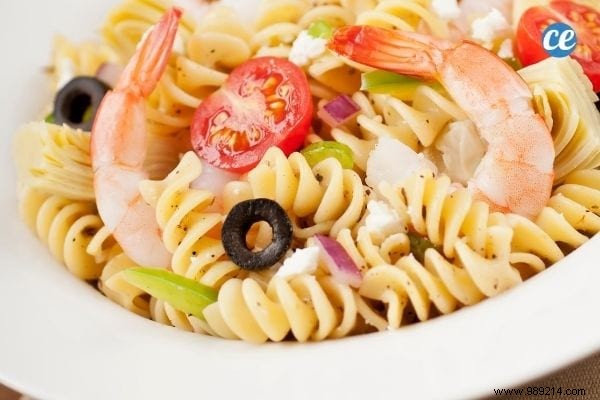
Don't toss extras—store in fridge or freezer containers. Use for quick gratins, salads, or meal prep. Even expired dry pasta is safe if stored properly.
