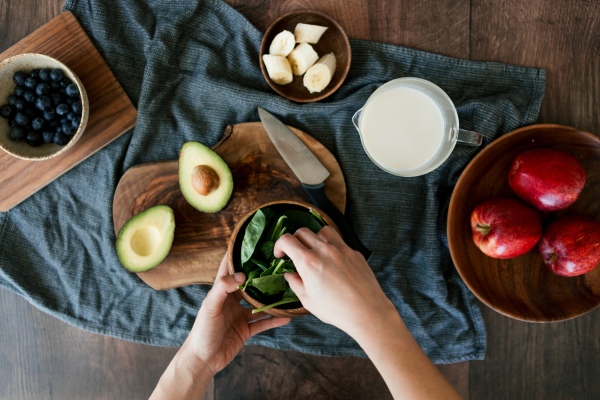
Struggling with constant sugar cravings? You're not alone. Emerging research shows that starting your day with vegetables can significantly reduce those urges throughout the day. As nutrition experts, we've reviewed the evidence—here's why it works.
Yes, adding vegetables to breakfast is a proven strategy for managing sugar cravings. They're nutrient-dense, support overall health, and address cravings at their root.
Read also: '6 ways to eat vegetables for breakfast'
Bitter greens like arugula, Brussels sprouts, and kale can dial down your sugar urges. These vegetables activate bitter taste receptors, boosting saliva production and digestive juices from the stomach and pancreas. A 2015 study found that bitter compounds influence hunger-regulating hormones. Participants taking a bitter capsule consumed fewer calories and had elevated CCK levels—a hormone that curbs appetite. Incorporating these veggies helps rebalance your cravings effectively.
Vegetables, especially high-fiber options, play a key role in steadying blood sugar, a major trigger for sugar cravings. Drops in blood sugar often occur after skipping meals or eating low-protein, low-fiber foods. A fiber-rich breakfast with vegetables like beans, peas, Brussels sprouts, or leafy greens prevents these dips, keeping cravings at bay all day.
Compared to sugary pastries, vegetables deliver superior nutrition with fiber, vitamins, and minerals that promote satiety. This means you're less likely to reach for sweets. Spinach is an excellent choice—versatile in omelets or smoothies, it's loaded with essentials for optimal body function while fiber keeps you satisfied longer.
Start simple: Blend spinach or kale into your morning smoothie or sauté Brussels sprouts for a savory side. Consistent habits like these, drawn from years of nutritional guidance, transform your breakfast and cravings.
