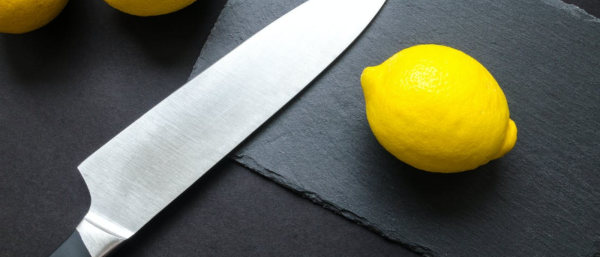
Whether you're a beginner or an experienced home cook, a high-quality chef's knife transforms food prep. Key factors include blade size, handle grip, material, blade type, and edge sharpness.
Before investing in a premium knife—which can be surprisingly pricey—arm yourself with these insights from our hands-on testing. Follow these tips to ensure you never regret your choice.
Handle Grip
A comfortable handle is crucial, as it's where you have the most contact. For left-handers, skip molded grips designed for right-handers. Material matters too: some wooden handles aren't dishwasher-safe or submersible.
Blade Size and Balance
Chef's knives range from 12 cm to 20 cm blades. Our tests showed skill trumps size, but shorter blades excel at precise tasks like chopping or dicing. Balance is equally vital—the weight distribution between handle and blade:
Balance is personal, but our experts preferred handle-heavy knives for superior control.
Carbon Steel vs. Stainless Steel
Blade material affects longevity. Carbon steel develops a patina (greenish-brown oxidation) over time but holds a razor edge. Stainless steel resists rust and discoloration in everyday use, making it a favorite for most kitchens.
Japanese vs. European Styles
Here's how they compare to help you decide:
Japanese Knives
European Knives
This is a sponsored article.
