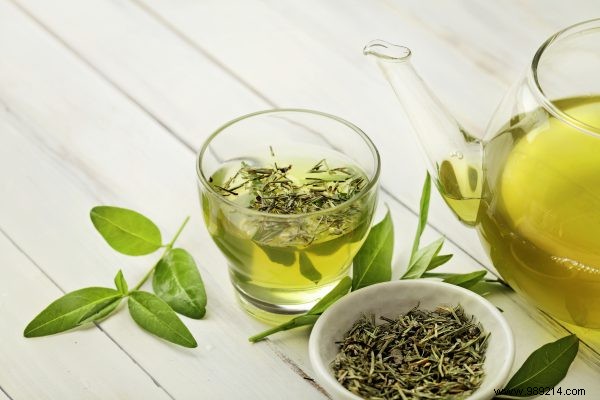
Chances are you've enjoyed white, black, and green teas, each with its own appeal. But what truly distinguishes them? As tea enthusiasts know, it all comes down to processing. Brew a cup and dive into this guide from tea experts.
Picture yourself settled in your favorite chair with a steaming mug, flipping through the latest Santé magazine. White, green, or black—which is your go-to? Here's a clear breakdown of their key differences.
Also read: 'In which countries can you drink tap water?'
White tea undergoes minimal processing, using only the youngest shoots and buds from the Camellia sinensis plant. This makes it one of the purest forms, retaining high levels of natural antioxidants due to limited oxidation and handling. Its flavor is delicate and light. Popular examples include jasmine tea (also available as green), ginger and orange (also green), and lemon tea (also green).
Black tea delivers a bold, robust flavor from full fermentation of the leaves. This process reduces antioxidants but boosts caffeine content. Favorites like English Breakfast, Earl Grey, and forest fruit blends exemplify its strength.
Green tea closely resembles white in its minimal oxidation, preserving potent antioxidants and catechins that support fat burning. In China, leaves are stir-fried; in Japan, they're steamed to lock in benefits. Try ginger & lemongrass, cranberry green, or pure green varieties.
Fun fact: All teas—white, black, and green—originate from the same Camellia sinensis plant. Processing determines the final type.
