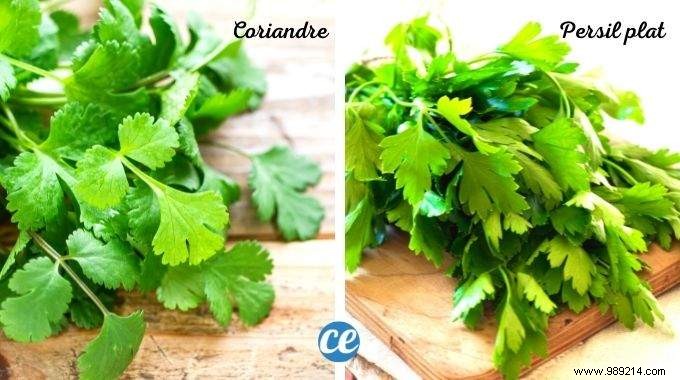
Struggling to differentiate parsley from cilantro? As a home cook who's learned the hard way, I'll share proven methods to spot the difference.
These two herbs look similar at a glance, but their flavors couldn't be more distinct. Mistaking one for the other can ruin a dish, so my chef friend shared these reliable techniques widely used in professional kitchens.
Here are 6 foolproof ways to distinguish them effortlessly.
 Contents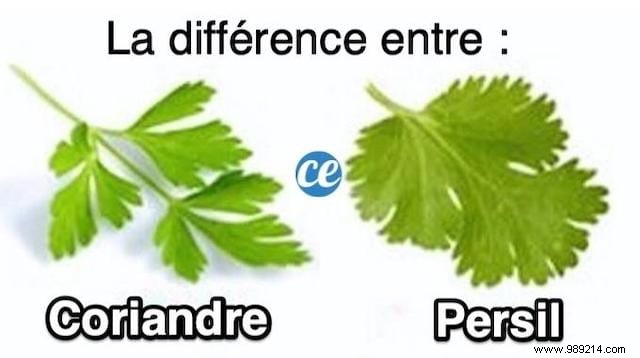
Experienced cooks know parsley and cilantro aren't easily confused—but flat-leaf parsley can trick you.
Curly parsley is obvious with its frilly edges, but flat-leaf parsley mirrors cilantro's leaf shape closely.
Distinguishing them is key, especially since I personally can't stand cilantro's flavor and always double-check.
With a keen eye, note the shade: flat-leaf parsley boasts a deep, glossy dark green.
Cilantro's leaves are slightly lighter. Examine in natural daylight for the best view.
If color isn't conclusive, sniff: parsley offers a mild, subtle aroma.
Cilantro's scent is bolder and more pungent—impossible to miss up close.
Leaf experts spot the nuance: parsley leaves are more pointed, while cilantro's are rounded and serrated.
Taste confirms it instantly. Cilantro delivers a fresh, citrusy, slightly spicy punch—some detect soapy notes, like I do.
Parsley is far milder, almost neutral.
Beyond leaves, parsley's stems and roots are edible. Cilantro's include leaves, stems, seeds, and roots.
For color alone, yes—but not for flavor. Cilantro's unique taste can't be matched by parsley.
Both pack vitamins A, C, and K, making them kitchen staples regardless.
