Refrigerators are essential for slowing bacterial growth and extending food freshness, but as food storage experts know, certain ingredients maintain superior flavor, texture, and nutrition when kept at room temperature.
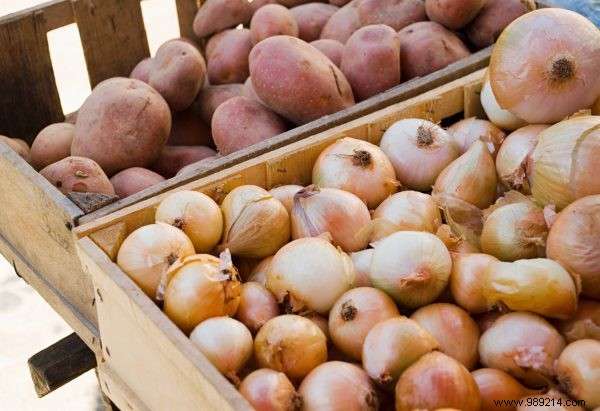
Refrigeration alters the taste and starch structure of potatoes. Store them in a cool, dark spot inside a paper bag, where most varieties last up to three weeks.
Bread stales faster in the fridge due to retrogradation. Keep loaves you'll eat soon at room temperature, and freeze extras for longer storage.
Read also: 10 products that you can just keep in the freezer
Onions thrive in a kitchen cupboard. Avoid storing them near potatoes, which can trigger sprouting and rot.
Cold temperatures damage tomatoes' cell membranes, dulling their flavor and juiciness.
Fridge moisture causes condensation that ruins coffee beans' aroma. Opt for an airtight container at room temperature instead.
Treat fresh basil like cut flowers: stand stems in a glass of water on the counter. Freezing works too, though thawed leaves soften.
Unripe avocados ripen too slowly in the fridge. Let them mature on the counter for that perfect creamy texture.
Read also: 3 ways to store half an avocado
Whole pumpkins store beautifully for up to two months in a cool, dry pantry spot.
Honey's natural preservatives give it an indefinite shelf life—no refrigeration needed. To reliquify crystals, warm the jar in hot water.
Keeping melons at room temperature preserves their peak sweetness and antioxidant levels.
Ripe bananas can go in the fridge to halt further ripening, though the peel may darken—the fruit inside stays perfectly edible.
Pineapple, papaya, mango, and similar warm-climate fruits maintain quality best at room temperature.
Fresh grapes hold up well on the counter for a few days. For very ripe bunches or extended freshness, refrigerate them.
