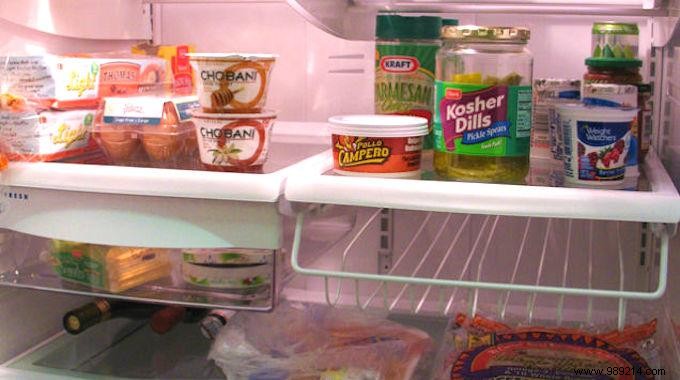
Ever wondered which foods truly require refrigeration? Our habits often stem from family traditions, varying widely. For some items, it makes little difference, but for others, improper storage impacts quality and safety.
These three expert lists clarify it all: foods to keep out of the fridge entirely, those that can go in but don't need to, and must-refrigerate staples.

Potatoes: Fridge cold converts potato starch into sugars, yielding an unpleasant sweet-sour flavor when cooked. Store at room temperature, ideally near an apple for extended freshness—discover the trick here.
Tomatoes: Refrigeration turns tomatoes mealy and flavorless. Keep them at room temperature to preserve their juicy taste and texture.
Honey: Honey crystallizes and hardens in the fridge, making it tough to use. It naturally stays shelf-stable in the pantry indefinitely.
Onions: While the fridge extends onion life slightly, it softens them, dulls crunch, and imparts odors to other foods. Store at room temperature, away from potatoes to prevent faster spoilage.
Bread: Refrigeration dries out bread, altering its texture. It's better at room temp, but if you won't eat it soon, the fridge prevents total waste over staleness.
Bananas: Hang bananas at room temperature for ideal ripening. Fridge-darkened peels don't affect the edible fruit inside.
Pastries and Cakes: Without cream fillings, these stale faster in the cold. Store under a cake dome with a slice of bread on top for softness.
Oils: Most oils cloud and thicken when chilled but clarify at room temp—no need for refrigeration except opened walnut oil.
Apples: They last a week at room temp or longer wrapped in newspaper. Refrigerate for extended storage if you enjoy them chilled.
Peanut Butter: Pantry storage works fine; refrigerate only if you prefer it firmer. Store upside down for freshness.
Meat: Raw meat spoils rapidly outside the fridge. Consume fresh cuts within 3-5 days, ground meat or fish in 1-2 days; freeze for longer.
Fresh Milk: Keep in the main fridge compartment, not the door, for stable temps and longer freshness. Discard if it smells off, regardless of date.
Eggs: Refrigerate in their carton, away from strong odors like cheese or cabbage, to avoid contamination and illness from spoilage. Test freshness with this trick.
Cheeses: Store wrapped under a dome; remove 30 minutes before serving for optimal flavor. Use butter paper to prevent mold—details here.
Condiments, Jams, and Dressings: Refrigerate after opening as labeled (even mayo pre-open). Includes maple syrup; add powdered sugar to jams to inhibit mold.
Butter: Keep blocks wrapped in original packaging or foil/film in the fridge to prevent drying. For small portions, use a covered dish at room temp; soften knives under hot water for easy slicing.
