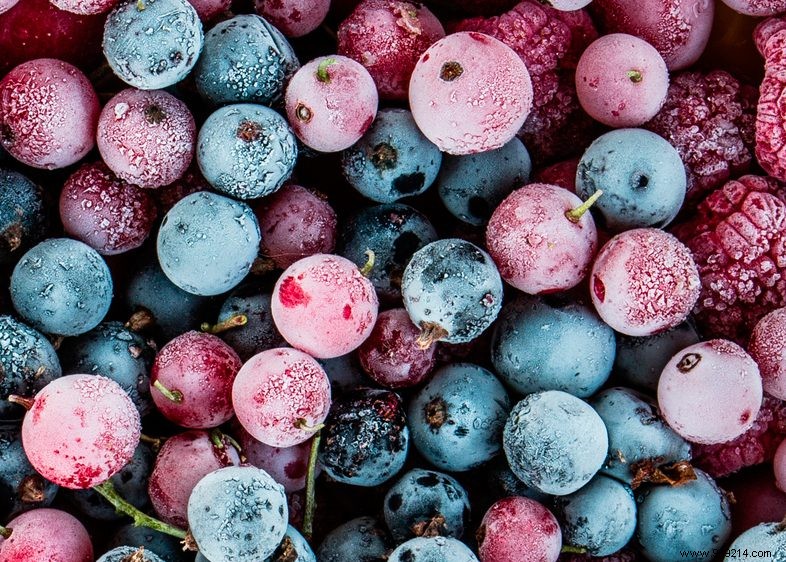
Short on fresh produce? Freezing fruits and vegetables is a reliable way to preserve their flavor, nutrition, and quality for later use. As home preservation specialists with years of experience, here are the key steps to get it right every time.
1. Freeze Immediately
Start with only the freshest, highest-quality produce. Freeze it as quickly as possible at the lowest temperature your freezer allows to lock in freshness.
2. Blanch Vegetables First
Never freeze cooked vegetables. Blanch them briefly in boiling water, then shock in ice water before freezing to retain color, texture, and nutrients.
3. Portion for Efficiency
Divide into single-use portions before freezing. Smaller amounts freeze faster, form fewer ice crystals, and are easier to thaw without waste.
4. Freeze Only Once
Avoid refreezing thawed items. This prevents quality loss and potential bacterial growth, ensuring safety and taste.
5. Use Proper Packaging
Opt for airtight freezer bags or containers. Label each with the contents and freeze date so you always know what's inside and how long it's been stored.
6. Handle Glass with Care
Glass jars work well but leave ample headspace—liquids expand when frozen, risking breakage if overfilled.
7. Defrost Smartly
Thaw most items slowly at room temperature. For vegetables, add them directly from the freezer to boiling water or a hot pan for quick cooking.
