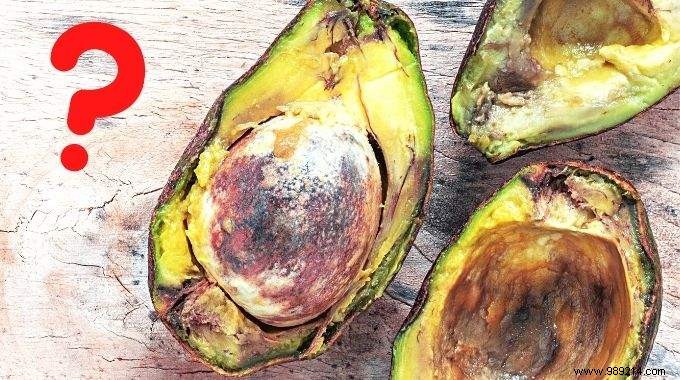
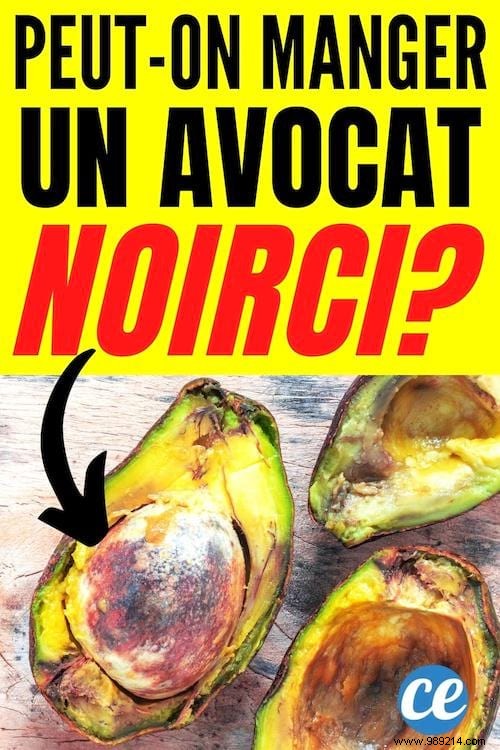
Found a blackened avocado inside? Wondering if it's safe to eat or better to toss?
It's a common issue with overripe avocados, and as someone who's salvaged many, I hate wasting them. I consulted a professional chef friend, and the answer depends on the situation.
Here's a clear guide to distinguish safe blackened avocados from spoiled ones.
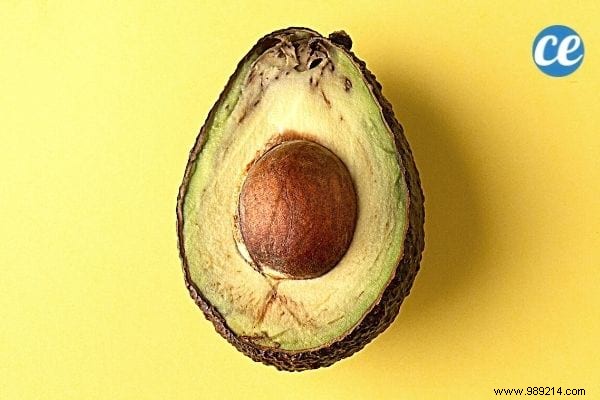
This used to happen to me all the time: Prep a perfect avocado ahead, only to find it darkened inside by serving time.
Don't worry—it's normal enzymatic browning from oxidation when exposed to air. Avocados are rich in iron and oxidize quickly.
It's still perfectly safe, nutritious, and edible. Pro tip: Prevent it by spritzing with lemon juice or water before storing. No more black avocados for me!
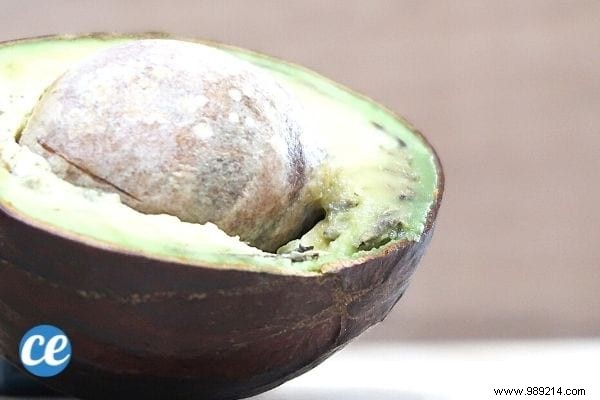
Spot a small black mark? Inspect closely.
If it's localized, far from the pit, and affects less than 10% of the pulp, simply cut it out—safe to eat the rest.
For scattered tiny dots, scoop them out with a spoon. Turn the good parts into guacamole or creamy avocado sauce for fried chicken.
These spots often result from bumps during transport or cold storage.
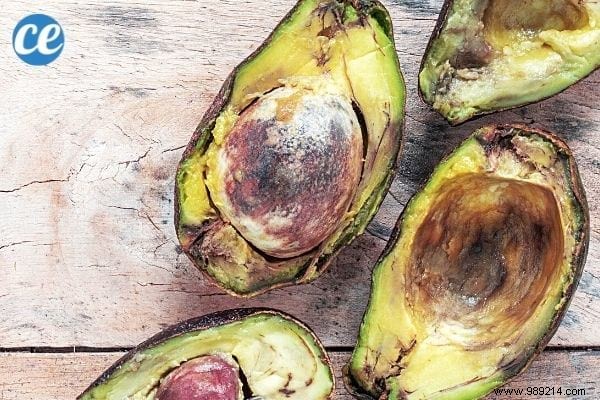
Opened it to find a large, deep black area encircling the pit on both sides? Unfortunately, toss it.
It's likely overripe, with bitter, stringy flesh, off smells, and diminished nutrition. Compost if possible.
If just overly ripe without deep spoilage, cut out bad parts for smoothies or baking recipes.
