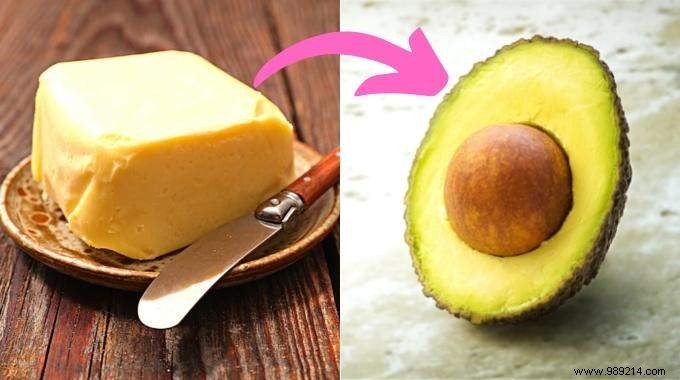
Butter's role in adding creaminess to dishes is undeniable. But can we cook without it? Absolutely. With years of experimenting in my kitchen, I've found that fruits, vegetables, and proteins can replicate its texture and richness—often with added nutrition and fewer calories.
Swap butter for these vibrant, vitamin-packed options and elevate your health without sacrificing flavor. Here's how to replace butter with 13 natural alternatives:
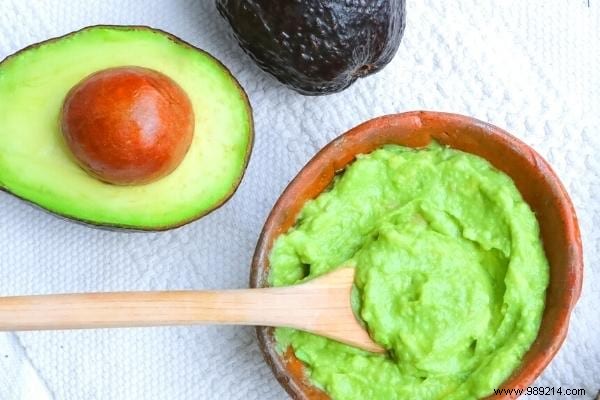
1 mashed avocado = 100g butter
100g mashed squash = 100g butter
Use for: cakes, soft cakes, fondants, muffins, brownies.
As a seasoned baker, I've swapped butter for pureed vegetables like avocado, squash, zucchini, carrots, sweet potatoes, and beets. Once cooked, their flavors vanish, leaving moist, health-boosting treats without altering taste.
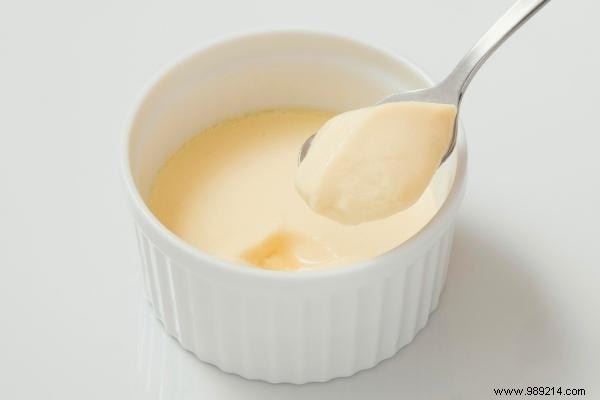
10 cl fromage blanc = 100g butter
Use for: savory and sweet sauces, cakes, pastries, icings.
From my experience, cottage cheese yields airier, more digestible pastries with far less fat—ideal for dieting. Opt for 0% fat versions or full-fat for extra moisture. Yogurt or petit-suisse works similarly; just blend in.
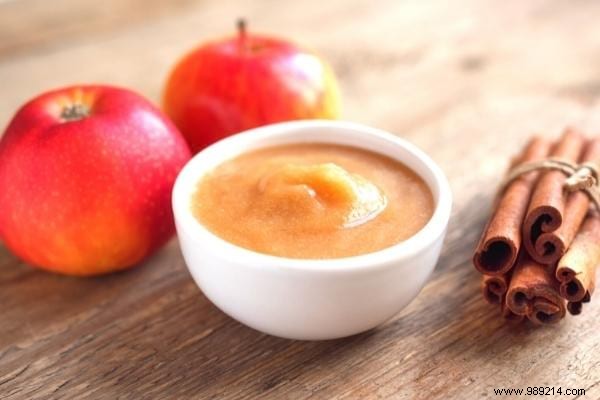
100g applesauce = 100g butter
Use for: cakes, muffins, fluffy cakes, fondants, buns.
In my recipes, homemade or unsweetened applesauce replaces butter and sugar, adding subtle fruitiness that enhances without overpowering.
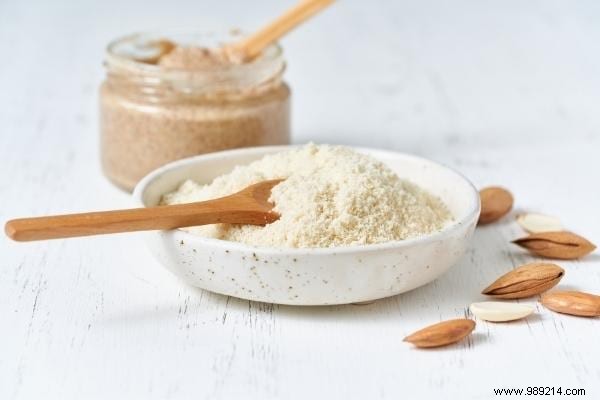
100g almond puree = 100g butter
Use for: cakes, brioches, crumbles, cookies, aperitif biscuits.
Almond puree's ointment-like texture mimics soft butter, infusing nutty lightness and vitamins. Try hazelnut, walnut, cashew, or sesame purees—their healthy fats outperform butter's.
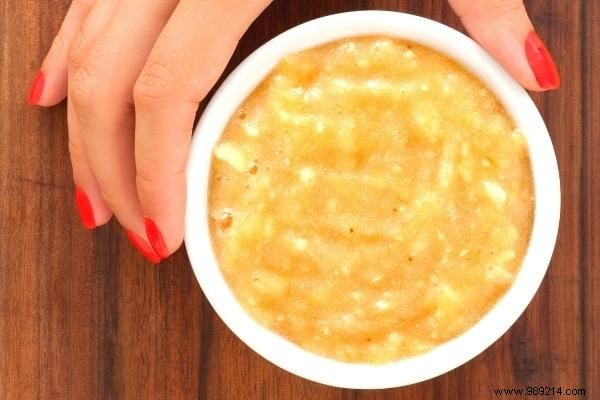
100g mashed bananas = 100g butter
Use for: cakes, muffins, brownies, fondants.
Mashed bananas create ultra-moist batters with delicate flavor, doubling as sugar and egg substitutes. Their creamy texture blends seamlessly, ripe or not.
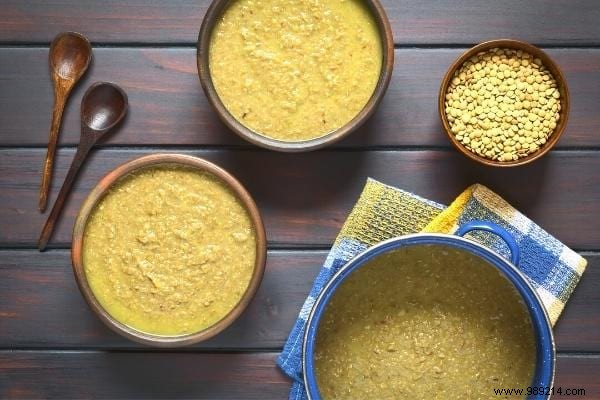
100g lentils = 100g butter
Use for: cakes, soft cakes, chocolate fondants.
Cooked and pureed lentils form a thick paste that's undetectable in sweets—sneak in legumes for nutrition, perfect for picky eaters.
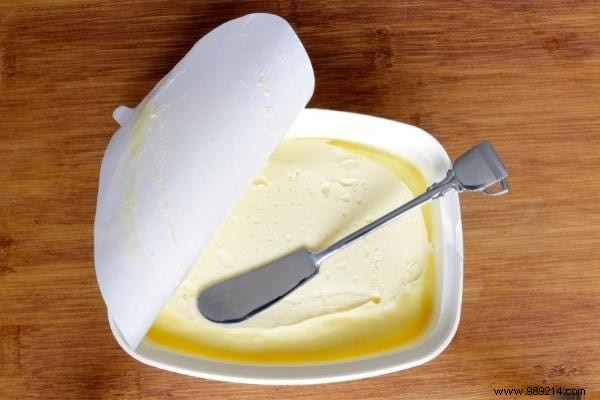
100g vegetable margarine = 100g butter
Use for: spreads, toast.
Plant-based margarine mirrors butter but cuts saturated fats. Choose non-hydrogenated, palm oil-free options for savory or sweet uses.
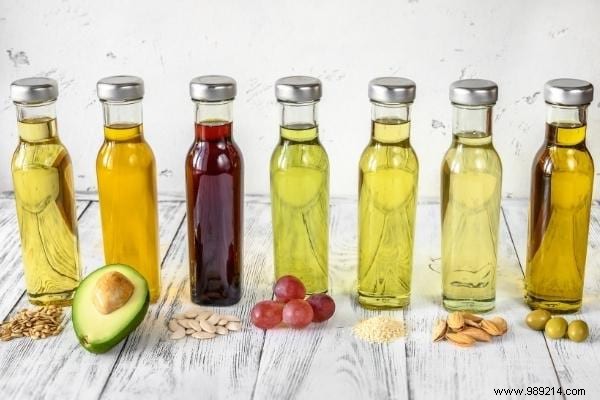
10 cl oil = 100g butter
Use for: cookies, crumbles, pies, cakes, sauces like bechamel.
Oils like sunflower, olive, coconut, or nut varieties keep doughs soft and shiny. My go-to: coconut for stability, olive for heart-healthy fats.
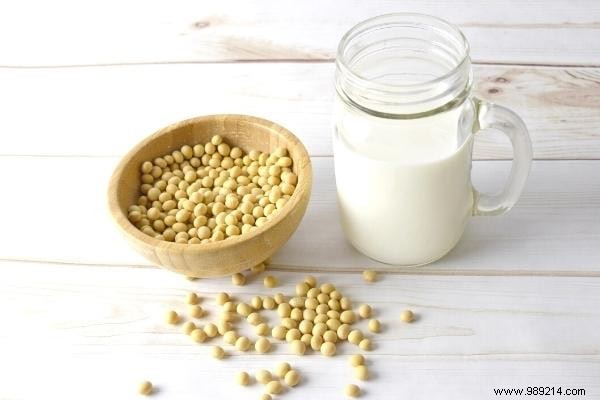
1 jar soy cream replaces butter
Use for: cakes, chocolate fondants.
Half the fat of dairy cream, soy cream delivers creaminess plus minerals and good fats—my pick for lighter fondants.
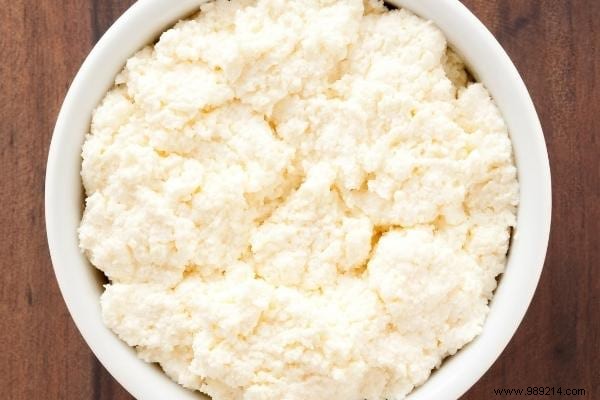
10 cl ricotta = 100g butter
Use for: savory and sweet sauces, cakes, icings.
Ricotta's low-fat profile ensures creamy, digestible results in both sweet and savory dishes.
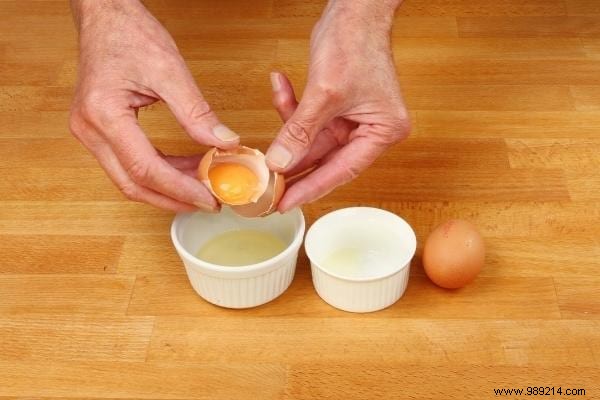
2 eggs = 100g butter
Use for: cakes, muffins, fluffy cakes, fondants, pastries.
Simply add two extra eggs per 100g butter omitted—stock up for effortless swaps.
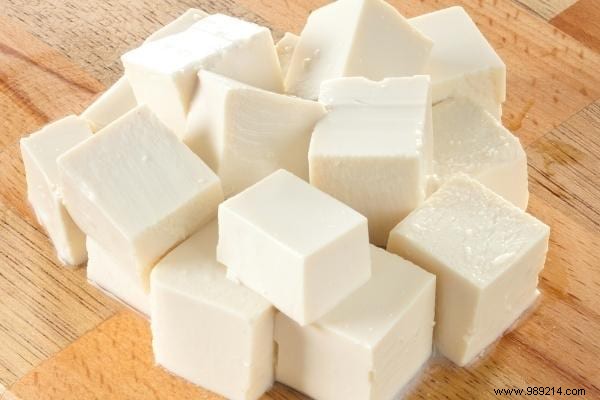
100g tofu = 100g butter
Use for: flans, sweet cakes, cheesecakes, vegan chocolate mousse.
Vegan-friendly tofu blends invisibly, packing vitamins with minimal calories.
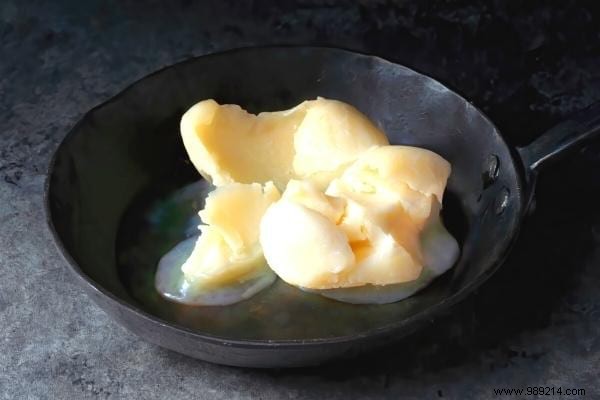
100g duck fat = 100g butter
Use for: pan-fried vegetables, potatoes, cassoulet.
Duck or goose fat lowers bad cholesterol while adding savory depth—Southwest flavors at their best.
These swaps prove butter isn't essential. In my kitchen, guests rave about the results—healthier, tastier dishes every time. Whether for allergies or wellness, stock these alternatives and cook confidently.
