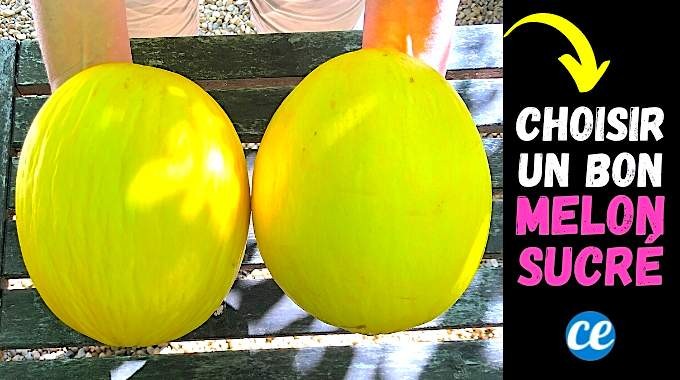
Struggling to select a ripe, sweet Canary melon (also known as yellow melon)? As someone who's relied on these tricks for years, I'll share my grandmother's proven methods to ensure you get a juicy, flavorful one every time.
Eating a perfectly ripe Canary melon is pure delight—but a bland one is disappointing. Fortunately, these 4 simple tips guarantee success.
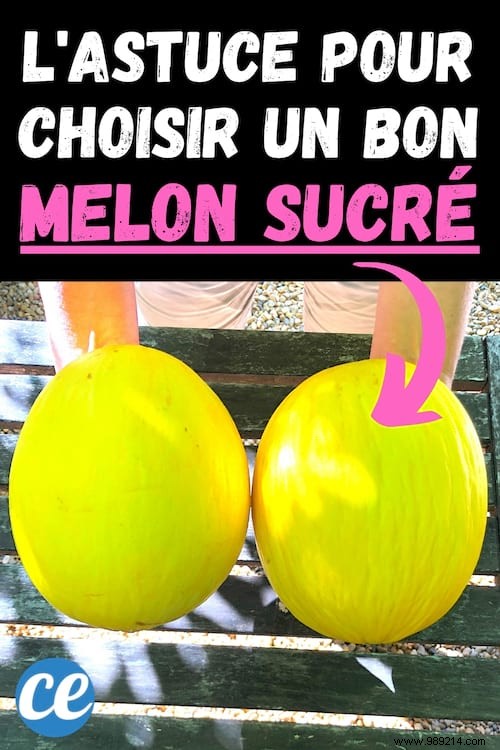
Weight is a reliable indicator of ripeness and sweetness. Pick up the melon and feel its heft.
If comparing similar-sized melons, opt for the heaviest one.
A heavier melon means more sugar content and density, ensuring superior flavor.
Press the skin gently with your thumbs to test ripeness. A ripe Canary melon has supple, yielding skin—not rigid, but not mushy.
If it gives slightly under pressure, it's ready. Too soft signals overripeness or spoilage; too firm means it's underripe.
Handle gently, as melons are delicate.
Examine the peduncle (the small stem end, or "pécole" in melon terms). A crack around the peduncle indicates maturity.
The peduncle should detach easily. If it's already gone, confirm the crack is present for ripeness.
Opt for a melon with deep yellow, wrinkled skin. Pale or smooth skin suggests it's not fully ripe.
Wrinkles form as the melon concentrates sugars, enhancing sweetness.
With these tips, you'll confidently select ripe, sweet Canary melons every time. Simple, quick, and foolproof!
Enjoy its refreshing flesh as an aperitif, starter, dessert, or in light summer recipes.
