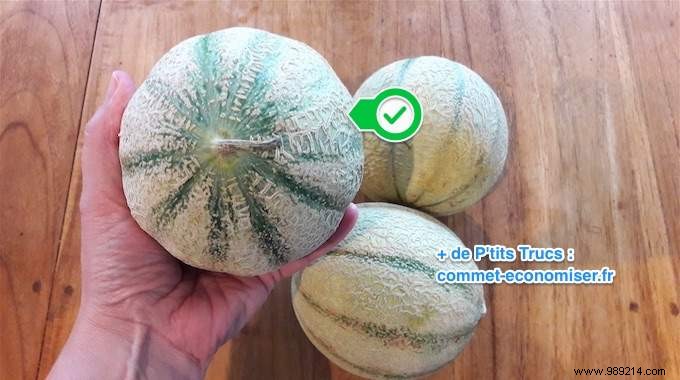
There's nothing quite like biting into a perfectly ripe melon—sweet, juicy, and refreshing on a summer day.
But choosing the right one can make or break your experience. A bland melon is disappointing, especially at today's prices.
Thankfully, I've learned these 4 time-tested secrets from my grandmother, a lifelong expert in spotting peak ripeness. They're simple, reliable, and foolproof.
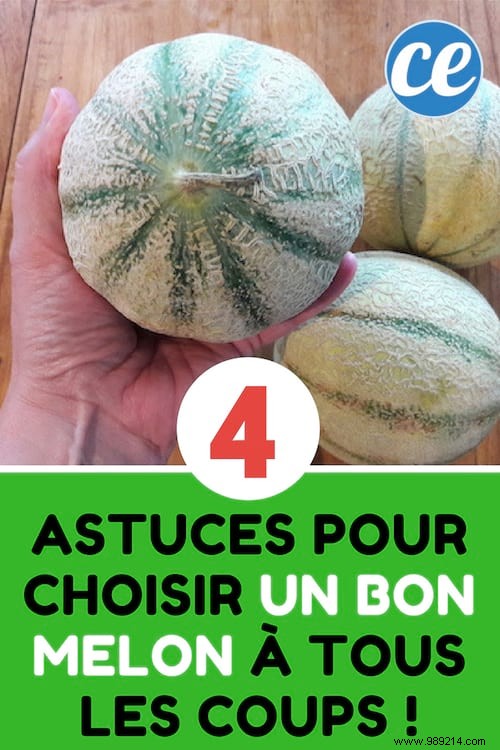
The first step is to examine the peduncle, or the melon's small stem (also known as the pécole).
This little tail detaches naturally when the melon is ripe. Gently touch it—if it comes off easily, the melon is ready to enjoy soon.
As it ripens, you'll notice cracks around the base. Even if the stem has already fallen, those cracks are a positive sign of ripeness.
A great melon looks the part, with bold, well-defined stripes.
Aim for about 10 distinct sections—clear and vibrant.
Don't worry about a yellowish spot on the skin; that's just where it rested on the ground and won't affect flavor.
Like my grandmother always did, pick up the melon and give it a good smell.
A ripe one exudes a sweet, inviting fragrance. If it's overly strong or fermented, it's past its prime—pass on it.
Taking this quick moment helps ensure you bring home a winner.
With the melon in hand, feel its weight. Riper melons are denser and heavier for their size.
Now, gently press the skin. It should yield slightly—flexible but not mushy or rock-hard.
Avoid overly soft spots, which signal internal rot.
Once you've selected a prime melon, handle it with care—it's delicate.
Avoid drops or rough treatment. Since it's ripe, eat it the same day or next.
For longer storage, wrap in plastic and refrigerate in the crisper drawer for up to 6 days max.
Before serving, let it sit out for an hour to enhance flavors. Enjoy!
And don't waste the rind—turn it into jam with this easy recipe.
