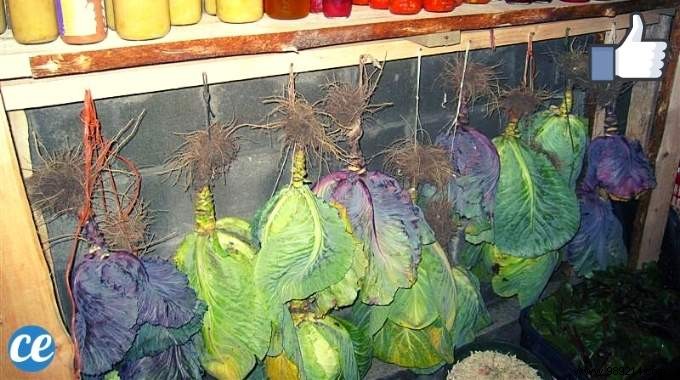
Did you know it's possible to preserve fruits and vegetables for months without a refrigerator? This is especially useful if you have a home garden and face a bumper harvest.
The key is storing them in a root cellar—one of the oldest methods to prevent summer waste and enjoy fresh produce through winter.
Discover this time-tested technique for storing fruits and vegetables long-term without refrigeration.

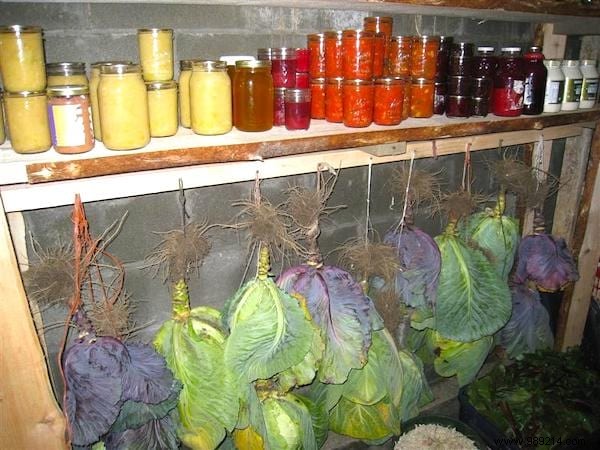
A root cellar is an underground space designed to store fruits and vegetables for weeks or months. Often located in a basement or built outdoors, these cellars draw from ancient practices—used by Australian Aborigines over 40,000 years ago and Europeans since the 17th century for root crops.
For optimal preservation, a root cellar must maintain three key conditions:
1. Constant temperature between 0 and 13°C.
2. Humidity between 85 and 95%.
3. Good air circulation.
Cool temperatures slow ethylene production and enzymatic activity, reducing spoilage rates—much like a refrigerator. Ideal ranges vary by crop, but 0-13°C works for most.
High humidity prevents drying out. Basements are naturally moist, but use a hygrometer to monitor levels.
If too low: Sprinkling water on earthen floors or storing in damp sand/sawdust helps.
If too high: Add ventilation or rock salt (halite).
Related: House Too Humid? How to Build an Effective Dehumidifier.
Ventilation regulates temperature and removes ethylene gas, preventing premature ripening. Install two vents:
- Intake 1.5m from ground, screened against rodents.
- Exhaust at the highest point, like door level.
Close during extreme weather for stability (chimney effect otherwise).
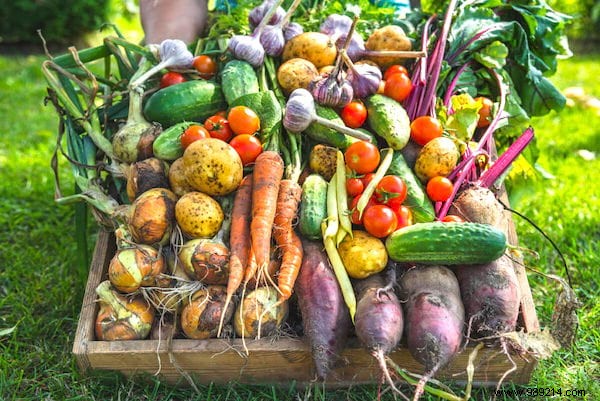
Root vegetables (carrots, beets, potatoes, onions) last months in fall/winter.
Apples remain crisp all winter.
Others include:
- Tomatoes, laid flat in crates.
- Cucumbers, wrapped in baking paper or moist cloth.
- Cauliflower, with protective leaves intact.

Ensure airflow around each item: Space produce on shelves, avoid stacking or contact. Elevate on pallets or blocks off the floor.
Ethylene producers (apples, pears, tomatoes) go high near exhaust vents.
Wrap pungent items like cabbage in newspaper to contain odors.
Rodents are the main threat. Use anti-rodent wire mesh on all entries, including vents.
Inspect regularly, remove spoiling items promptly to halt bacterial spread. Avoid cans due to rust risk from humidity.
With proper setup, enjoy summer's bounty all winter!
