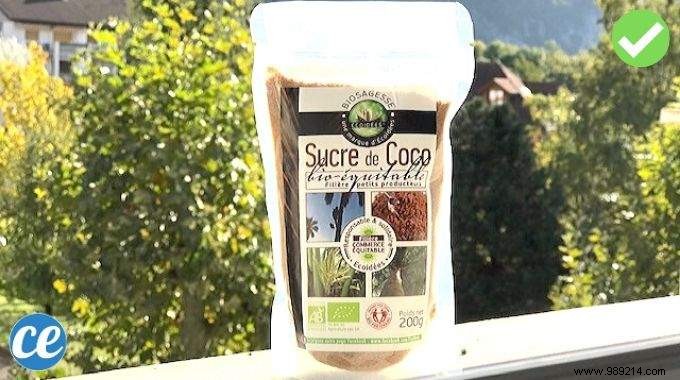
Have you tried coconut sugar? This 100% natural sweetener, derived from the sap of coconut palm flowers, offers a compelling alternative to refined white sugar.
Backed by nutritional science, coconut sugar stands out for its health benefits, including high antioxidant content and essential nutrients. Plus, it boasts a remarkably low glycemic index.
Is coconut sugar truly the best swap for white sugar? Let's explore the evidence below.

Coconut sugar is harvested from the flowers of coconut palm trees native to India and South America. The sap is gently heated to form crystals.
Each tree can yield up to 25 kg daily, using minimal resources—producing 50% more sugar per hectare than sugarcane. The United Nations Food and Agriculture Organization recognizes it as the most sustainable sugar source.
Even Mahatma Gandhi called it the "counterpoison of misery," as its harvest provides steady income for impoverished communities.
The glycemic index (GI) measures how foods impact blood sugar levels. High-GI foods trigger large insulin releases, raising risks of weight gain and type 2 diabetes.
Coconut sugar has a GI under 25, compared to white sugar's 70—making it a smarter choice for stable energy and blood sugar control.
Antioxidants combat oxidative stress, cell aging, and chronic diseases. Coconut sugar delivers them in abundance—nearly matching blueberries, a top antioxidant fruit.
As an unrefined, whole-food sweetener, coconut sugar retains vital nutrients stripped from white sugar. It's packed with B vitamins (B1, B2, B3, B6), potassium, zinc, magnesium, iron, and 16 of the 20 essential amino acids—including glutamic acid for optimal body function.
Resembling brown sugar with a subtle caramel flavor, coconut sugar works seamlessly in recipes. It's perfect for baking, dessert creams, oatmeal, smoothies, jams, or yogurt.
Use 20-25% less than white sugar, as it's naturally sweeter. It dissolves beautifully in coffee or tea.
Opt for the darker variety for maximum authenticity and robust caramel notes, or the lighter one for a milder taste.
