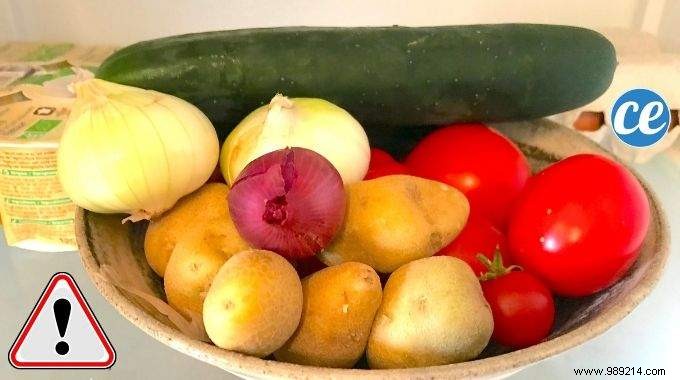
Storing vegetables properly requires knowing their unique needs—some love the fridge, others hate it. The wrong storage leads to spoilage, flavor loss, and waste.
Luckily, drawing from decades of home cooking experience and family wisdom passed down from my grandmother, I've mastered simple tricks to keep veggies fresh. Here are 5 common mistakes to avoid. Watch:
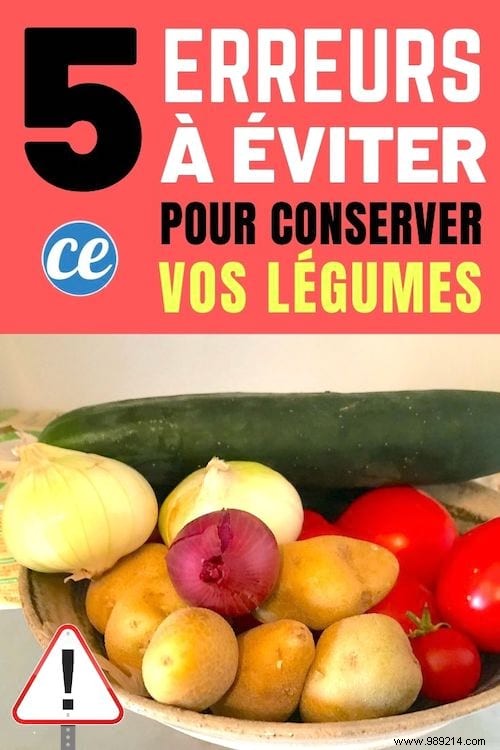
Tomatoes don't tolerate the fridge well—a mistake many make. The cold makes them lose flavor and turn mealy.
Store them at room temperature outside the fridge. To deter fruit flies, keep them in a shallow bowl or container.
Onions and potatoes shouldn't go in the fridge, and crucially, never store them side by side. Both release a gas that speeds up spoilage.
For onions, use a paper bag in a dark spot at 18-20°C. Find out how here.
For potatoes, wrap individually in newspaper to keep them fresh for weeks. Check out the trick here.
Like tomatoes, cucumbers suffer in the cold—they wrinkle quickly and lose crispness and taste.
Leave them at room temperature in open air. If the ends start wilting, wrap with cling film.
Always remove cellophane or plastic from packaged veggies—it traps moisture and hinders airflow, causing rot.
Better yet, buy loose produce: it's cheaper, lets you choose exactly what you need, reduces waste, and avoids damaged items.
Most veggies store well in the crisper drawer for 3-4 days, but beyond that, they lose vitamins and minerals fast.
Consume promptly for maximum nutrition. Organize by placing sturdier ones at the bottom and delicate ones on top.
