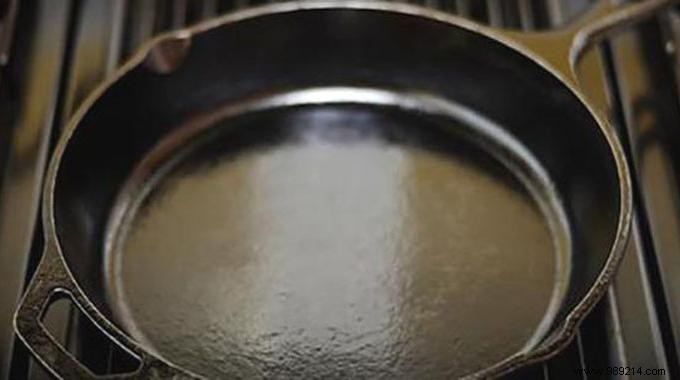
We all buy countless pots and pans, often unsure which ones truly last. To help you choose wisely, here are 10 key advantages of cast iron skillets that have earned them a place in kitchens for generations.
Once you discover these benefits, you'll reach for yours every time you cook.
As the only cookware that offers a nutritional benefit, cast iron skillets naturally enrich your meals with iron. Each use increases your iron levels, especially with acidic foods like tomatoes.
Unlike many modern pans, cast iron is completely toxin-free. It's safe even when scratched or worn—unlike non-stick coatings that release harmful substances at the first sign of damage.
Try it yourself: foods cooked in cast iron taste noticeably better, retaining their natural tenderness or crispness. Plus, it requires less oil, letting pure flavors shine through.
Drop it, overheat it, or scrub vigorously—your cast iron skillet can take it. Though heavier, it's far superior to fragile coatings. Proof? I'm still using my grandmother's skillet, passed down from my father.
Use it on gas stoves, in ovens, on barbecues, or over open flames. It handles high heat effortlessly without damage—just avoid extreme tests like 500°C.
This is cookware steeped in history: cast iron pans date back to 4th-century China, spreading to England, France, and the U.S. by the 18th century.
Far safer than chemical non-stick coatings, cast iron develops its own with proper seasoning. Use coconut oil on a cloth, bake at 250°C for 1.5 hours, cool naturally, and wipe clean—it stays non-stick for years.
Cast iron is inexpensive to produce yet delivers premium quality. A quality pan for around 40 euros lasts three generations—what's not to love?
Cast iron spreads heat uniformly, ensuring consistent cooking. No more burnt edges with raw centers—every bite is perfect.
Stovetop, grill, oven, campfire, or fireplace—cast iron excels anywhere you cook.
That's the 10 advantages of cast iron skillets. If you're ready to upgrade, we recommend this one.
