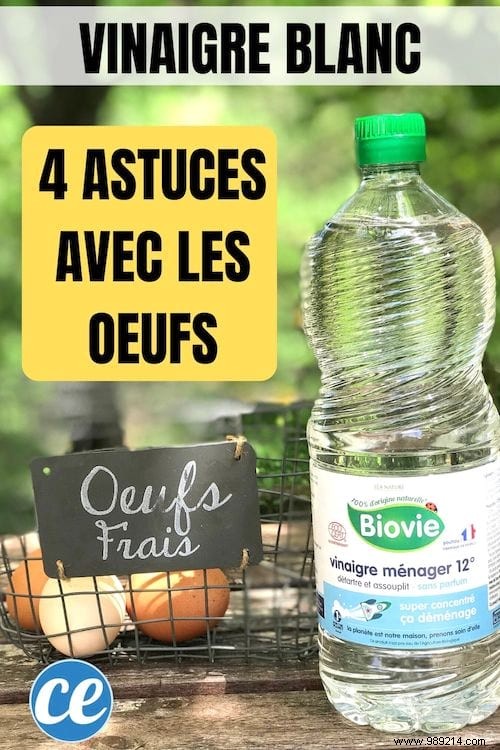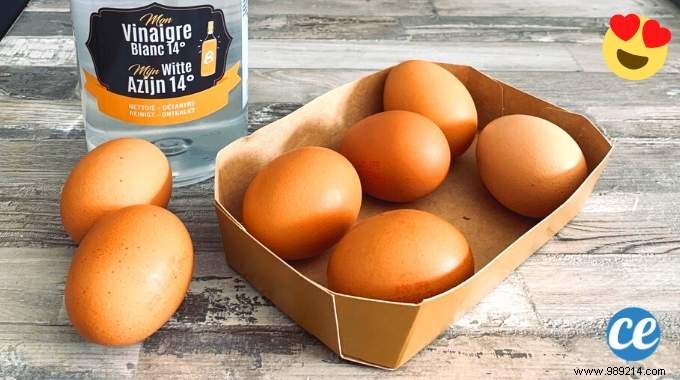
Ever wondered how white vinegar can transform your egg cooking? As a seasoned home cook, I've relied on these simple tricks for years to achieve flawless results.
From preventing cracked shells to creating creamy scrambles and picture-perfect poached eggs, white vinegar is your secret kitchen weapon. Discover 4 brilliant and surprising white vinegar tips for cooking eggs:

Baking cakes with family is a joy—until you realize you're short an egg.
Don't abandon your recipe. Instead, add 1 tablespoon of white vinegar to your mixture. It acts as a perfect stand-in, binding and lightening the batter just like an egg.
You won't notice the difference in taste or texture. Note: This works best with recipes that include another leavening agent like baking soda or yeast.
Magic in a bottle! Check out the trick here.
Cracked eggshells in boiling water? It's a common frustration I've faced too many times, leading to messy whites and hard-to-peel eggs.
Avoid it by adding 1-2 tablespoons of white vinegar to the boiling water. The acidity strengthens the shells, preventing cracks and keeping everything intact.
Trust me, it delivers perfect hard-boiled eggs every time. Check out the trick here.
Scrambled eggs are a quick breakfast staple, but they often turn dry instead of lusciously creamy.
For restaurant-quality results, stir in 1 tablespoon of white vinegar per 2 eggs as they thicken. Keep scrambling until fully cooked.
The result? Velvety, flavorful scrambles that melt in your mouth. To discover: 7 Reasons Why You Should Have Eggs for Breakfast.
Poached eggs intimidate many cooks, but mastering them elevates any dish from simple salad to gourmet delight.
The key? Add a splash of white vinegar to the simmering water before gently sliding in the egg. It helps the whites set firmly and beautifully.
No more runny messes— just elegant, delicious poached eggs. Try it and see! To discover: Here is the Cooking Time For a Hard-boiled, Boiled, Soft-boiled and Poached Egg.