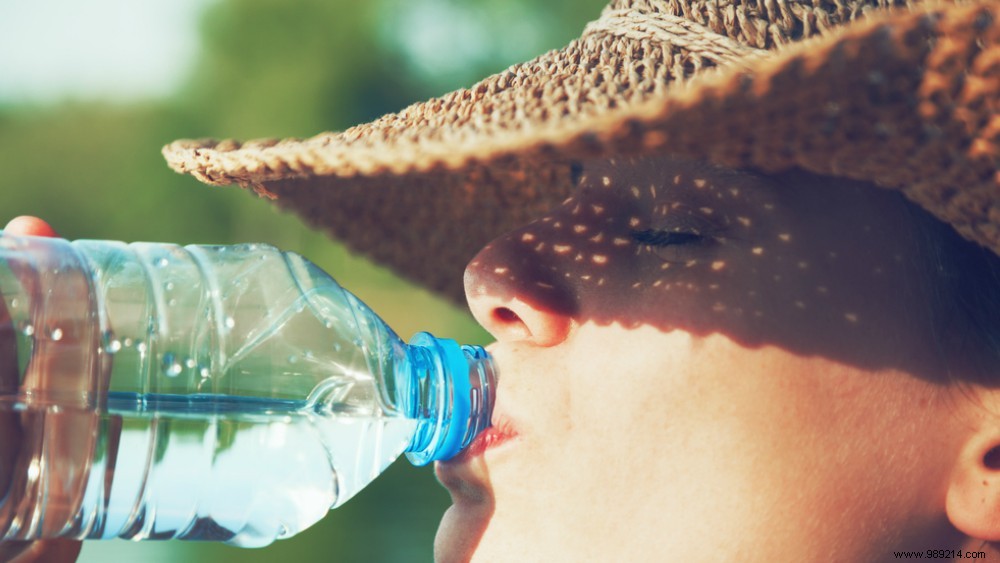
Prefer fizzy water over still? Curious if sparkling water is truly healthy? As nutrition experts often highlight, understanding its pros and cons helps you decide wisely—whether to reach for that bubbly bottle or stick to plain water.
Read also :'Is sparkling water bad for your health?'
There's something undeniably refreshing about popping open a bottle of sparkling water, with bubbles fizzing as the cap releases. On a hot summer day, it delivers instant hydration and satisfaction. While some dismiss it as 'just water,' today's variety of brands and flavors makes it increasingly popular—and for good reasons rooted in health science.
Health professionals agree: sparkling water is safe for daily consumption. It's an excellent soda alternative—typically zero calories and sugar—offering similar refreshment without the downsides. Even compared to diet sodas, which can contain surprising additives, sparkling water stands out as a cleaner option.
The options abound: countless brands and flavored varieties mimic sodas without the sugar. Get creative at home by infusing sparkling water with fresh lemon, raspberries, or other fruits for a personalized twist when plain water feels mundane.
Beyond hydration, sparkling water's carbonation promotes quicker satiety. Studies show carbonated drinks curb hunger more effectively than still water, helping you feel fuller between meals and potentially reducing snacking.
That said, consider these caveats. Carbonation may erode tooth enamel over time, increasing sensitivity—mitigate by using a straw or rinsing with still water. Avoid during intense workouts to prevent bloating or belching; save it for post-exercise refreshment. Those with IBS or sensitive stomachs should skip it to avoid irritation.
Source: Realsimple.com
