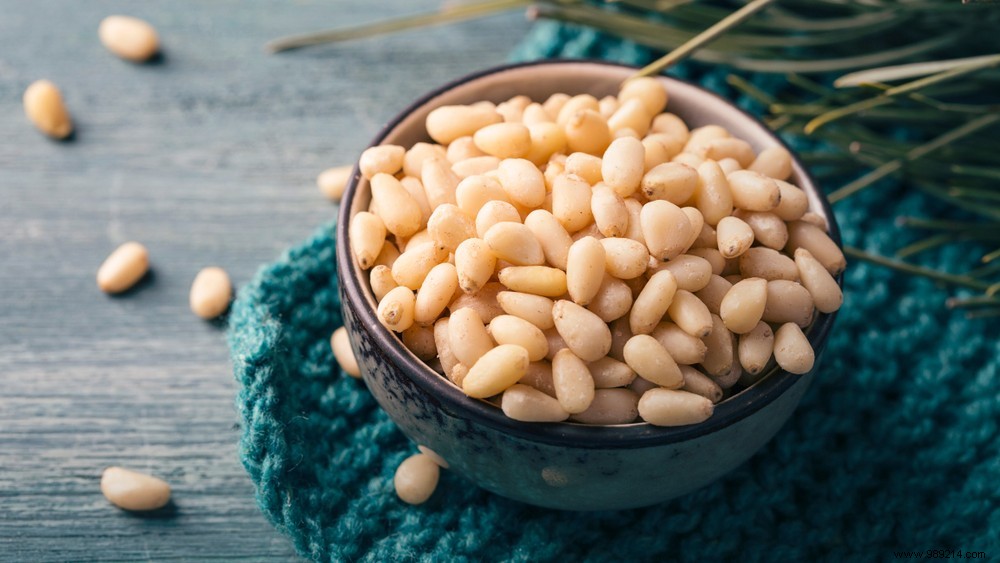
Pine nuts add delicious flavor to pastas and salads, but certain varieties can trigger a persistent bitter taste known as "pine mouth" syndrome.
This unpleasant metallic bitterness often emerges 1-3 days after consumption, making the connection hard to spot. It typically lasts up to two weeks, with the first four days being the most intense, and can dull your sense of taste entirely. Not everyone experiences it, and it doesn't affect all pine nuts.
Evidence points to pine nuts from China as the main source. The issue stems from naturally occurring triglycerides, which are harmless but responsible for the off-taste. Limited research exists partly because it poses no health risks.
Check packaging for country of origin, though it's often absent. Visually, Chinese pine nuts are shorter and rounder, while European ones are longer and more tapered. Opt for the elongated shape to minimize risk. Read more about recognizing pine nuts.
