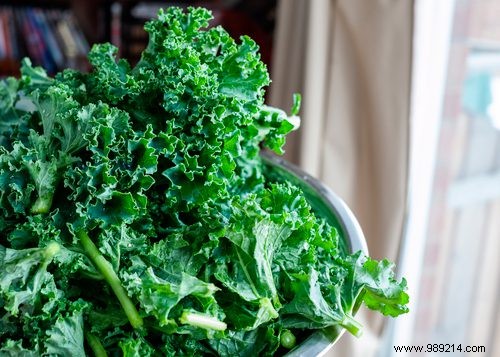
Kale stands out as one of the most nutrient-dense vegetables, packed with essential vitamins and minerals. As a registered dietitian with years of experience promoting whole foods, I've seen firsthand how incorporating kale can transform diets for better health.
Kale is a leafy green from the Brassica family, alongside broccoli, Brussels sprouts, and cabbage. It comes in two main varieties: dwarf kale and bush kale. Bush kale features a long stem and is ideal for fresh eating. Dwarf kale, however, is frost-sensitive and typically harvested from mid-September to early November.
Kilocalories: 46 per 100 grams
Fiber: One serving provides 10 grams of fiber, promoting satiety and healthy digestion.
Minerals: 100 grams delivers 40% of your daily magnesium needs, supporting strong bones and muscle function.
Vitamins: Kale offers 134% of the daily vitamin C requirement, plus abundant vitamins A and K for immune and bone health.
Experiment with kale in a hearty quiche, vibrant pesto, soothing soup, or refreshing smoothie blended with apple and banana. For a crunchy snack, bake kale chips. Have you tried kalettes? They're a delicious hybrid of kale and Brussels sprouts.
