Your freezer is an excellent tool for reducing food waste and preserving meals. But how long can you really store food without compromising safety, taste, or texture?
We've compiled a practical storage chart based on guidelines from food safety experts to help you store food confidently.
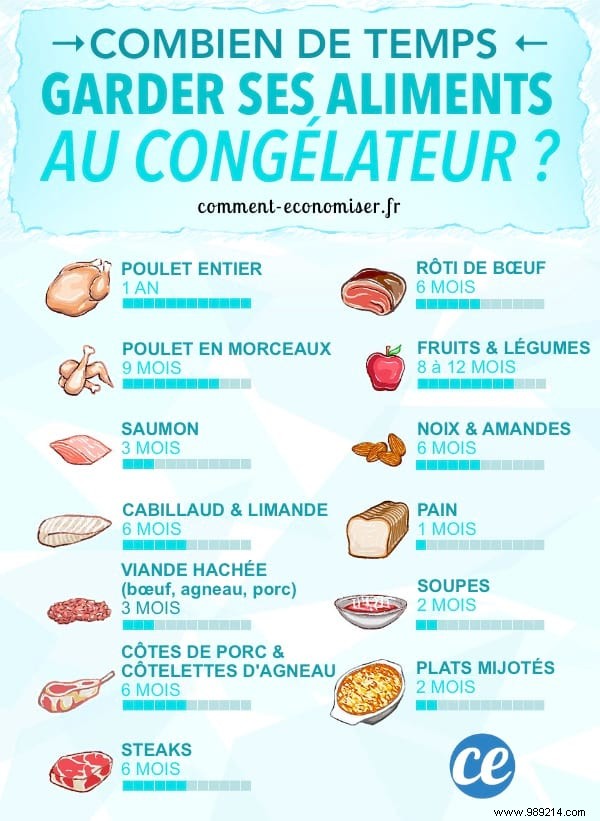
Follow these times to maintain quality. See the chart below:
Click here to easily print this guide in PDF.
- Whole chicken: 1 year
- Chicken in pieces: 9 months
- Salmon: 3 months
- Cod and dab: 6 months
- Ground meat (beef, lamb, pork): 3 months
- Pork chops & lamb chops: 6 months
- Steaks: 6 months
- Roast beef: 6 months
- Fruits & vegetables: 8 to 12 months
- Nuts & almonds: 6 months
- Bread: 1 month
- Soups: 2 months
- Simmered dishes: 2 months
Food safety professionals agree that long-term freezing doesn't pose health risks if done properly. However, food won't last indefinitely—taste and texture degrade over time.
Key examples:
- Chicken: Whole up to 1 year; pieces (thighs, wings, drumsticks) 6-9 months; cooked leftovers 4-6 months.
- Fatty fish: Salmon 2-3 months; lean fish like cod or dab up to 6 months; cooked leftovers no more than 3 months.
- Meat (beef, lamb, pork): Ground 2-3 months; roasts, steaks, chops at least 6 months; cooked leftovers 2-3 months.
- Fruits and vegetables: 8-12 months without quality loss.
Maintain ideal conditions to prevent faster spoilage—temperature is crucial.
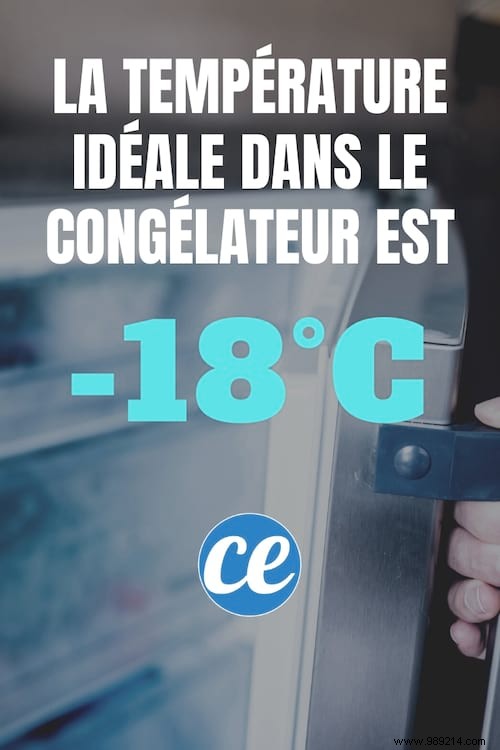
Experts recommend -18°C—cold enough to make ice cream rock-hard. Ice cream itself lasts up to 2 months.
Use a freezer thermometer to verify.
- Freezing doesn't kill bacteria, so cook thoroughly: leftovers to 75°C core temp; soups/stews to a boil.
- Defrost in the refrigerator (below 4°C to halt bacteria).
- Poultry and beef: 1 full day.
- Frozen turkey/large cuts: 10 hours per kg.
- Small meat pieces: under 1 day.
- Vegetables: cook directly.
- Cook most foods right after thawing for best flavor.
Put this guide to use in your freezer. Share your results in the comments—we'd love to hear how it works for you!
