Ever heard of salak, Pandanus tectorius, or jabuticaba? Probably not. These aren't prehistoric dinosaurs—they're extraordinary fruits packed with vitamins and health benefits, just like the produce we know well.

With stunning shapes, vibrant colors, and unique flavors, these lesser-known gems showcase nature's incredible diversity. Far beyond apples, oranges, and bananas, they remind us to cherish and protect our planet's biodiversity. Dive in:
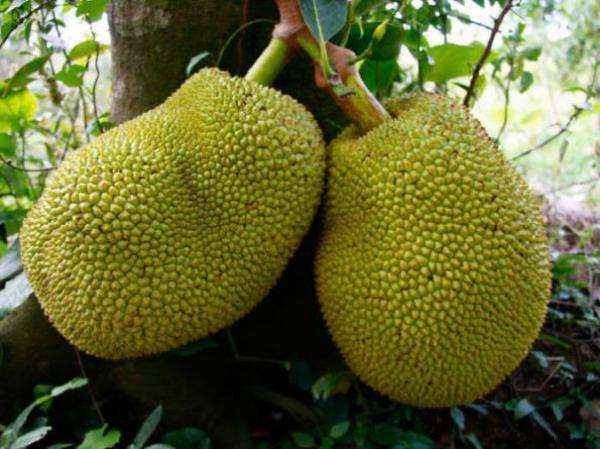
Thriving in Southeast Asia, Brazil, and Haiti—originally from India and Bangladesh—the jackfruit tree (Artocarpus heterophyllus) from the Moraceae family now grows across tropical regions. Known as the "fruit of the poor," it's related to breadfruit (Artocarpus altilis) but distinct, offering versatile, edible fruits.
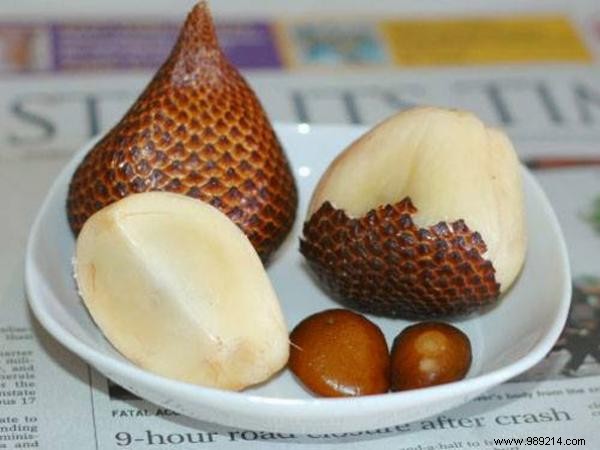
In Javanese and Sundanese, "salak" means snake, inspired by its scaly brown skin covered in tight, thorny scales. This creeping palm reaches 6 meters, producing 5-8 cm fruits with white, fleshy interiors and a small seed. Native to Java, Sumatra, and Indonesia, it's also in Thailand and Malaysia.
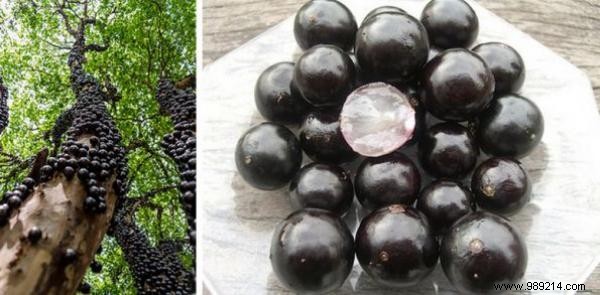
From Brazil's Minas Gerais region, this small tree—also called guapuru—bears black fruits 3-4 cm wide, each with 1-4 seeds. The pulp is white and sweet or pink and gelatinous.
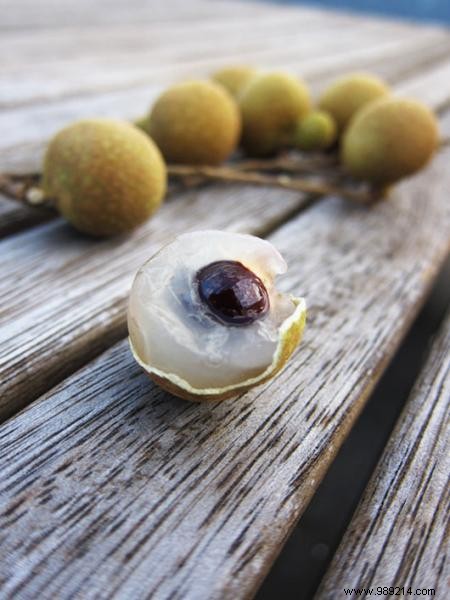
The longan tree, native to southern China and growing up to 20 meters, produces fruits called longan (Vietnamese for "dragon's eye").
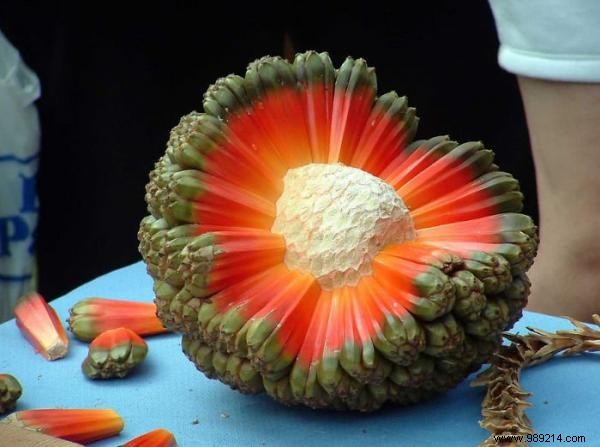
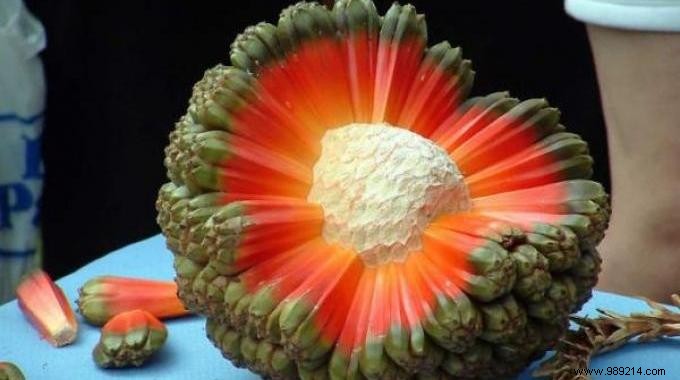
About 20 cm wide, this striking fruit from the Utilized Pandanus is prized in Micronesia—eaten raw (chewed long or juiced), cooked, or used as dental floss. Its leaves flavor dishes. Found in Hawaii and Australia too.
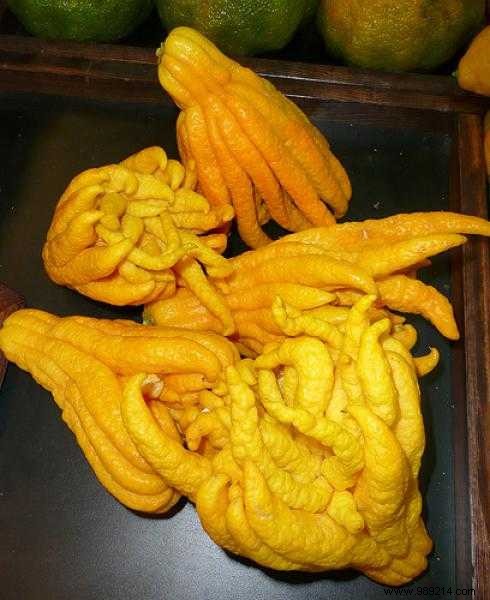
This aromatic citrus from thorny shrubs mimics Buddha's hands. Thick-skinned, seedless, juiceless, and nearly fleshless with mild acidity, Chinese and Japanese use it to scent rooms, closets, and clothes rather than eat it.
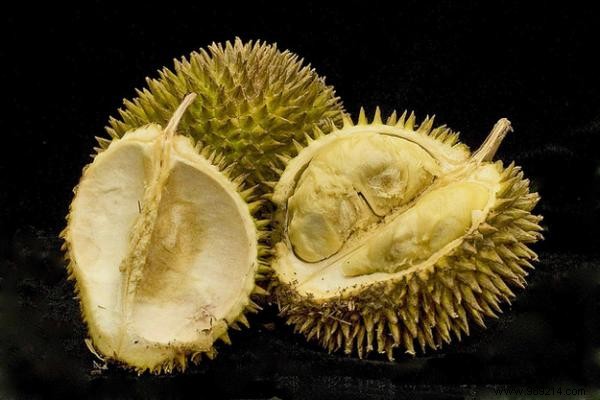
Common in Southeast Asia and South America, durian grows atop evergreen trees. Oval, up to 40 cm long and 5 kg, its infamous pungent smell bans it from many public spots. The spiky shell hides creamy white flesh with a distinctive taste beloved in Asia.
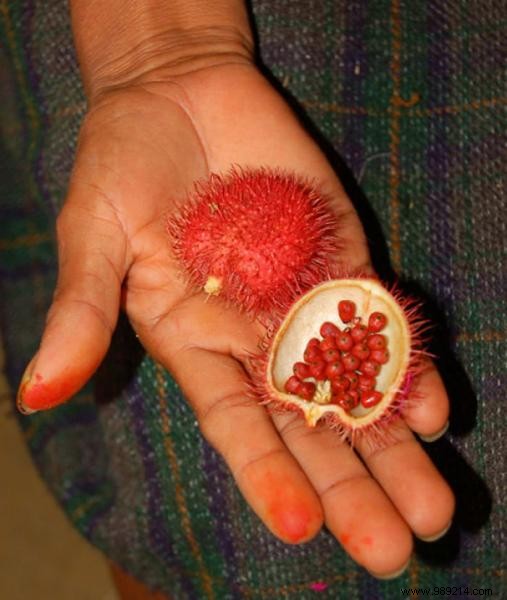
From tropical America and Southeast Asia, this small tree yields thorny red fruits with carotenoid-rich seeds. Not eaten directly, the waxy seeds dry into oil or natural food coloring.
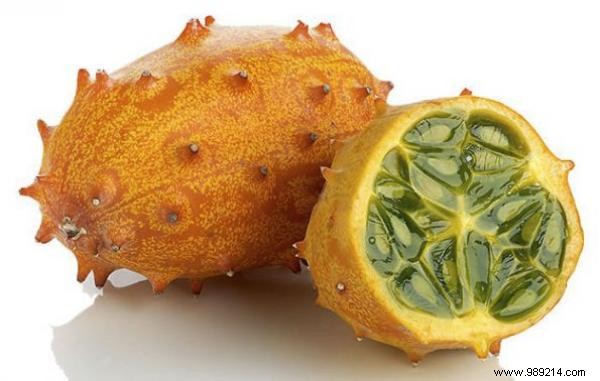
Also horned melon or cucumber, its spiky skin defines this African and Arabian fruit, enjoyed in Yemen.
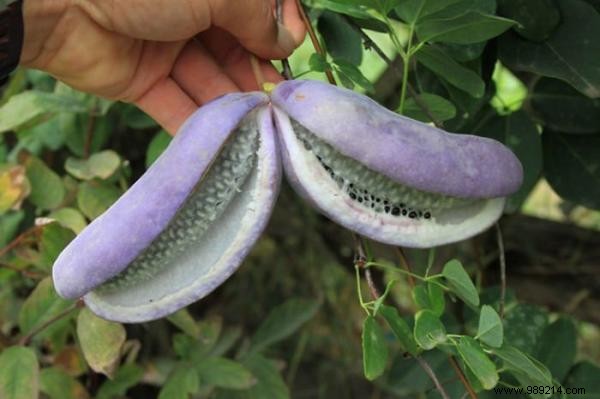
The five-leaved akebia vine in East Asia's temperate forests bears bluish, waxy fruits ripening September-October. Beautiful flowers precede mildly flavored pods.
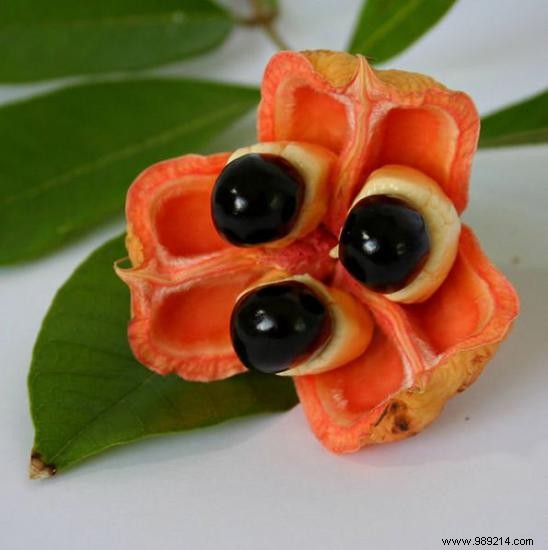
West African Blighia sapida (aki) resembles a lychee in orange-red shell with black seeds. Grown in tropics, only fully ripe white flesh is safe to eat—unripe is toxic.
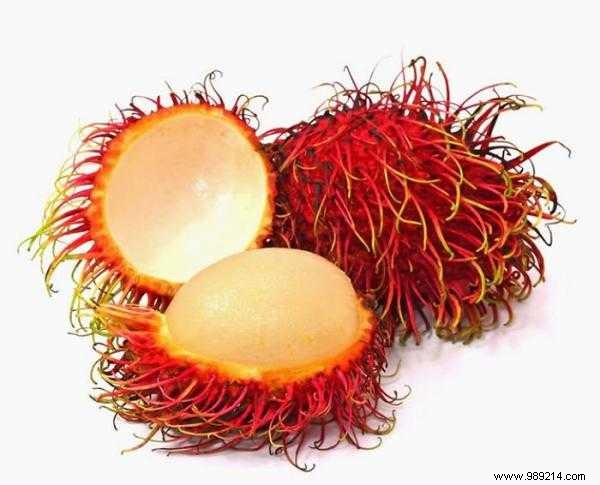
Related to lychee, longan, and pulasan, this Asian tree's fruit has hairy red skin over sweet, grape-lychee-like flesh.
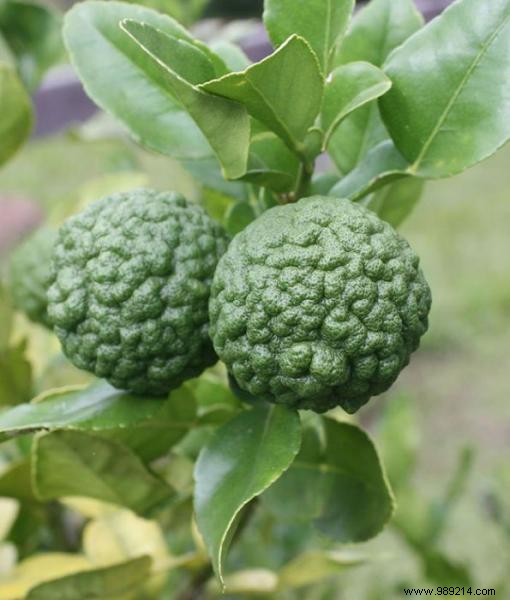
Also combava or makrut, from Indonesia's Sunda islands (Sumbawa), this citrus adds zesty flavor worldwide.
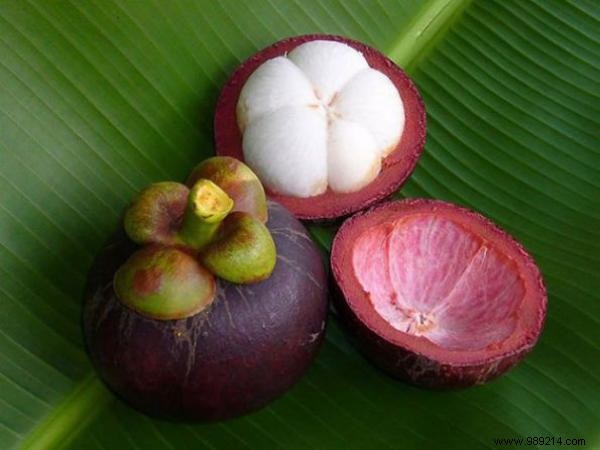
Dubbed the "queen of fruits," golf-ball-sized with thick antioxidant-rich pericarp (40+ xanthones). White segments offer sweet-tart taste; used medicinally in Asia and Africa.
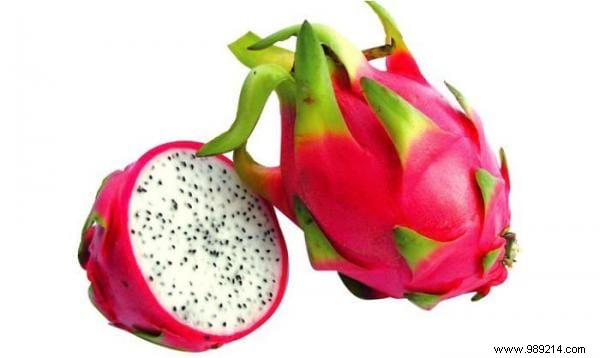
Dragon fruit: 10 cm, 350g, pink-green skin over kiwi-like white flesh with black seeds.
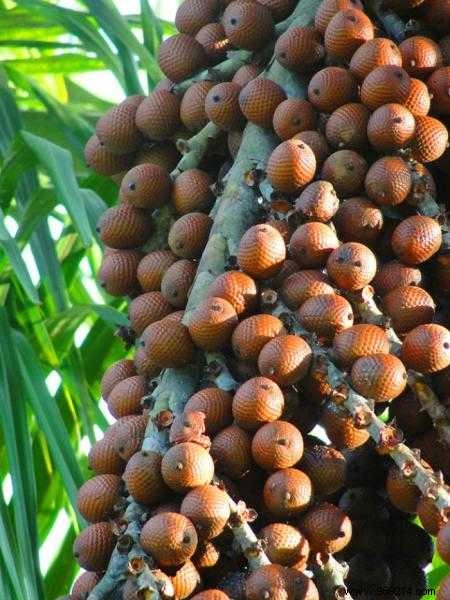
Buriti from moriche palm: loaded with provitamin A (38x carrots), vitamin E (31x avocado), and vitamin C (like oranges).
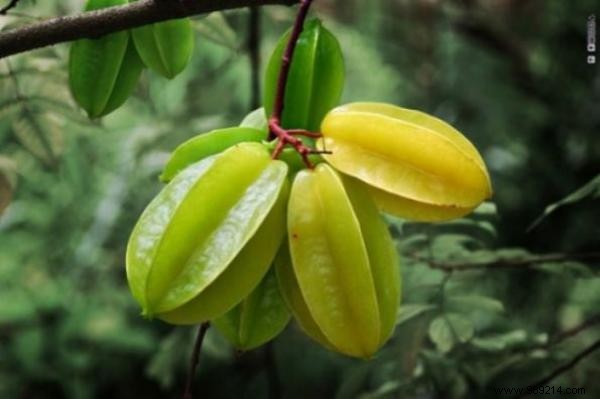
Starfruit or Goan apple from Asia, now global. Waxy yellow, crunchy, tart; stars decorate dishes.
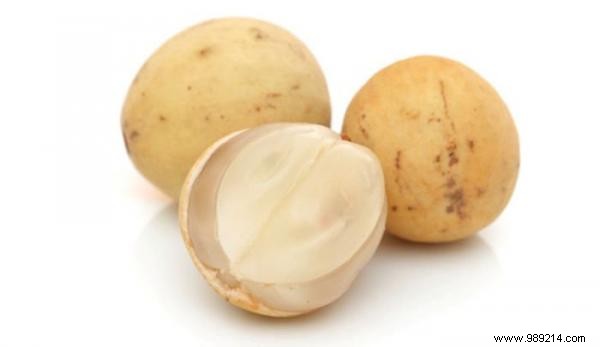
Or duku, symbol of Indonesia's Narathiwat. Thin-skinned with sweet translucent flesh around a large seed; Southeast Asian favorite.
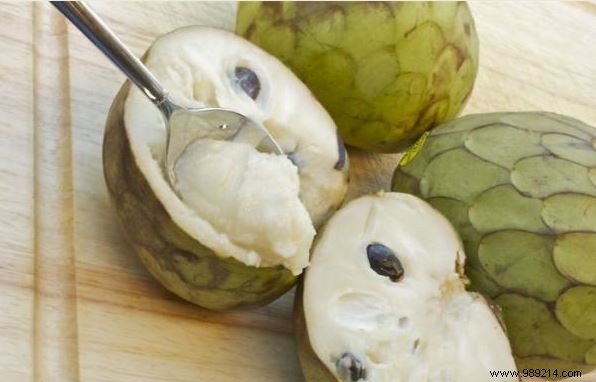
South American "ice cream fruit": creamy white flesh, black seeds; flavors evoke apple-cinnamon or custard.
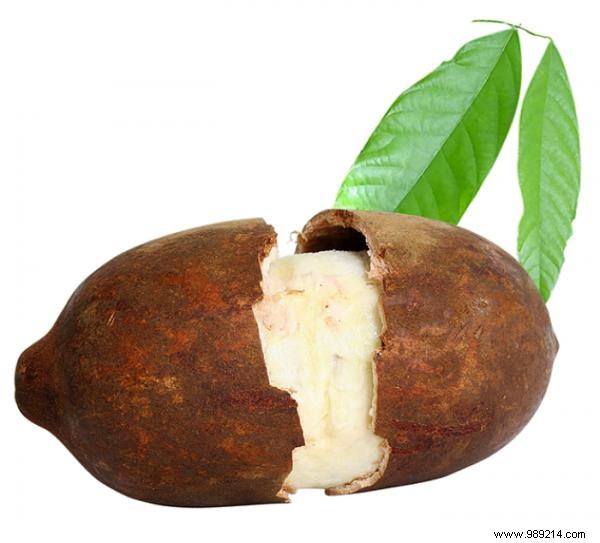
Cocoa cousin: elongated pod up to 20x10 cm, 1-2 kg, brown downy skin.
