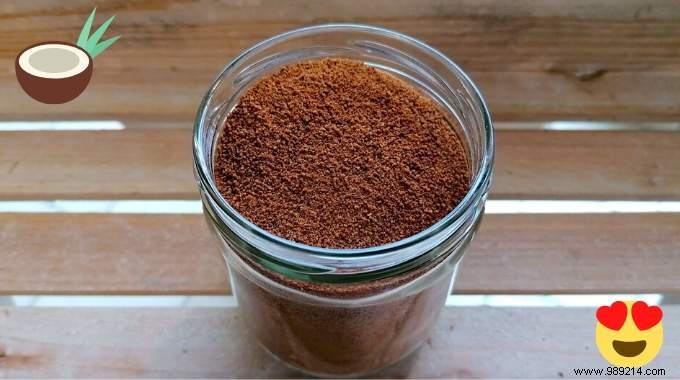
Excess sugar intake harms health, particularly refined white sugar, which raises body acidity and risks of diabetes, obesity, and heart disease. Healthier swaps like honey, agave syrup, or rapadura offer great flavor without the downsides. One standout, lesser-known option is coconut blossom sugar. Here are 10 key benefits of coconut blossom sugar:
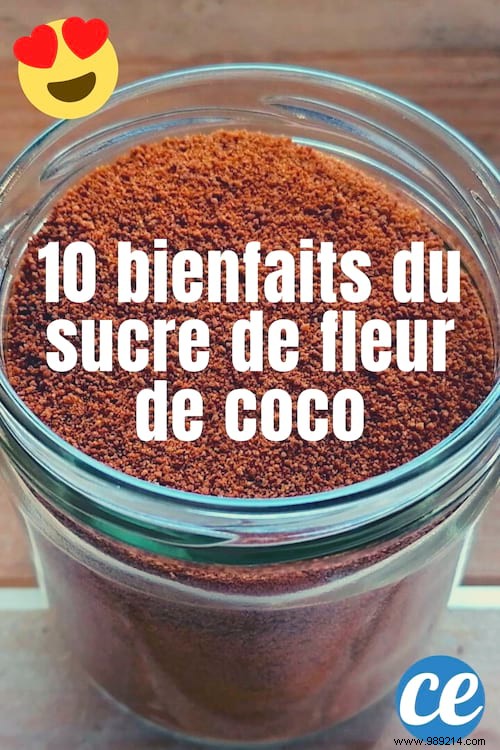
1. Its rich brown hue and caramel-like flavor from gently cooking the sap make coconut blossom sugar irresistibly delicious, elevating everyday recipes.
2. It nurtures gut health with inulin, a soluble prebiotic fiber ideal for digestive issues and balanced intestinal flora.
3. Packed with vitamins and minerals like polyphenols, potassium, zinc, and iron, it delivers nutrition beyond empty calories—unlike refined sugar.
4. Naturally high in vitamins B and C from its fructose, sucrose, and glucose content.
5. With a low glycemic index of about 24.5 (vs. 70 for white sugar and 65 for cane), it's a smart choice for blood sugar management, especially for diabetics.
6. Its potent sweetness means you use less than white, cane, or agave sugars—better for your waistline and health.
7. Among sugars from beets, cane, or agave, it has the lowest carbon footprint. Coconut palms thrive for decades, yielding multiple products locally with zero waste.
8. The UN recognizes it as the most sustainable sugar, supporting local farmers and the environment. In India, Gandhi called its cultivation "a poison against misery."
9. Light varieties offer a sweet, fragrant profile; darker ones deliver bolder notes to suit any palate.
10. Enjoy it like honey—perfect in natural yogurt, fruit salads, hot tea, or fresh lemon juice for a healthy start.
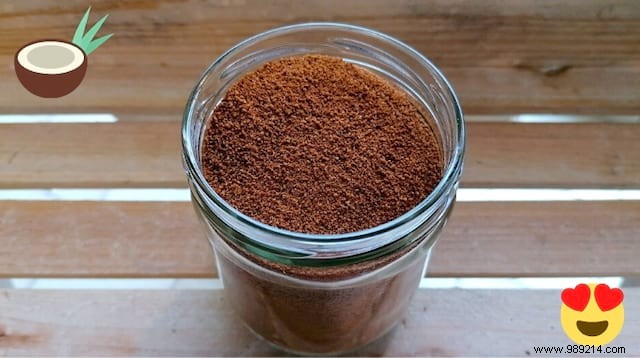
Coconut blossom sugar, or coconut sugar, is 100% natural, derived from the sap of the Coco Nucifera flower on coconut palms common in tropical regions like South America and India.
Mature trees (around 15 years old) produce abundant sap—up to 25 kg daily. Harvesters climb the palms, tap the flower stems, and collect the sap in attached containers.
The sap is then heated to evaporate water, forming a nectar. Mechanical agitation crystallizes it into fine grains, ready for use.
Find it in organic stores or online. I've relied on a trusted source for years to sweeten cakes and tea.
Have you tried coconut blossom sugar? Share in the comments—we'd love to hear!
