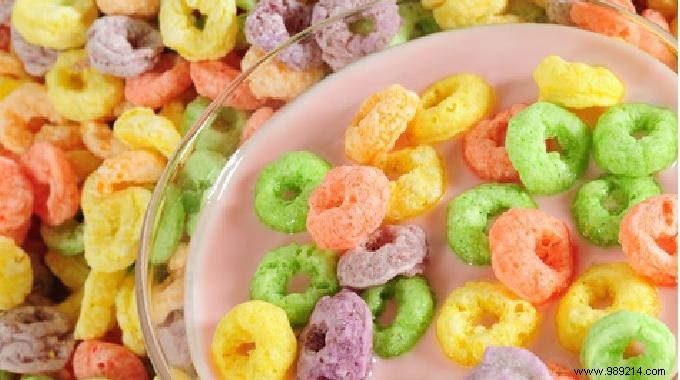
Feeling hungry? Time to eat. But what if your meal leaves you even hungrier? This happens more often than you think.
"Hunger stems from complex interactions between the stomach, intestines, brain, and pancreas," explains Dr. Decotiis, a renowned weight loss specialist. Unfortunately, this system can be easily disrupted.
Here are 11 common foods that can leave you feeling emptier as your stomach fills, based on scientific insights and expert analysis:
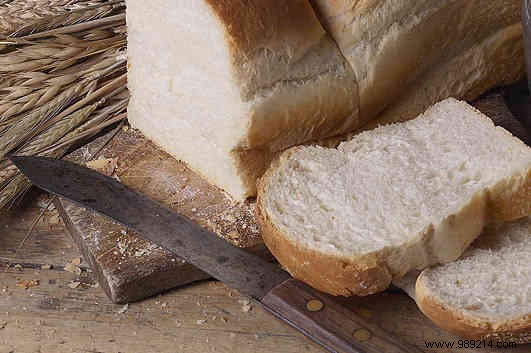
White flour in bread has had its bran removed, stripping away essential fiber. This causes rapid insulin spikes, notes Dr. Decotiis.
A Spanish study tracking over 9,000 people found those eating 2+ servings of white bread daily were 40% more likely to become overweight or obese within five years compared to those who ate less.
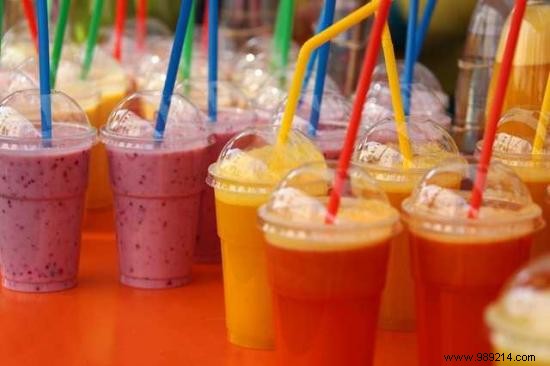
Fruit juices pack all the sugar without the fiber or pulp, leading to blood sugar spikes and crashes that spark cravings.
Opt for smoothies with whole fruits and a tablespoon of nut butter to stabilize blood sugar and enhance fullness.
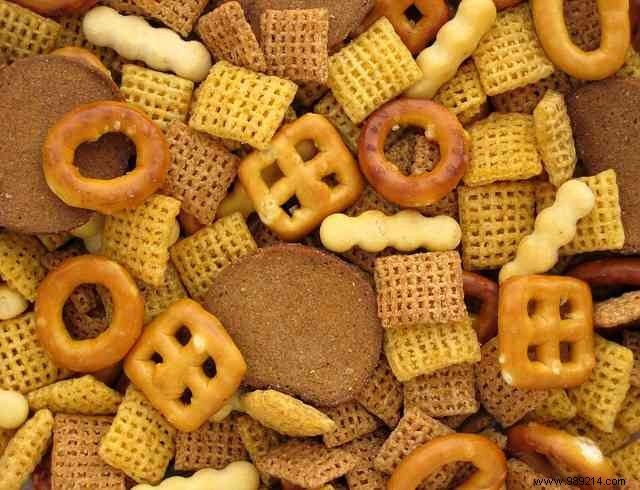
Ever crave sweets after a bag of chips or pretzels? These simple carbs digest quickly, spiking insulin and triggering sugar cravings as your brain seeks quick energy.
"Specific sensory satiety" means your salty taste is satisfied, but sweet cravings persist, making you eat more to fill both.
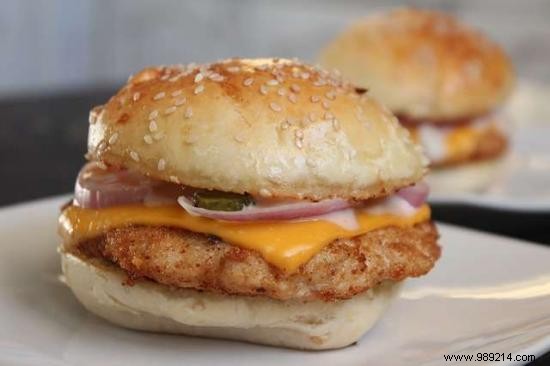
Fast food ingredients are engineered for overeating. Trans fats inflame the gut, hindering serotonin and dopamine production for appetite control, per Dr. Decotiis.
High-fructose corn syrup absorbs fast, spiking insulin, while excess salt mimics hunger through dehydration.
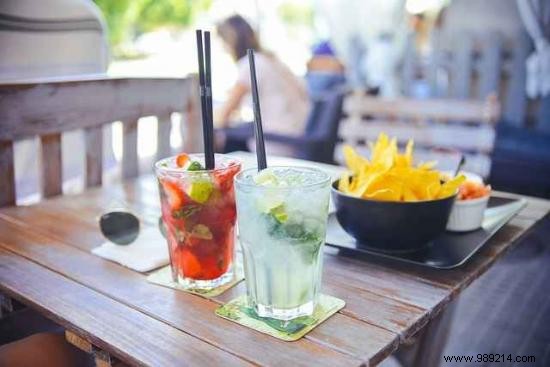
Alcohol curbs healthy choices and boosts hunger. A study in Alcohol and Alcoholism shows three drinks can drop leptin (the satiety hormone) by 30%.
It also depletes glycogen, prompting carb cravings, and causes dehydration that feels like hunger, says Dr. Decotiis.
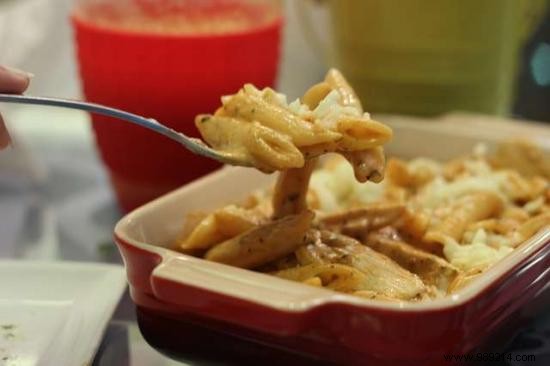
Like white bread, white pasta is fiber-poor and easy to overeat. A proper portion is 120g (half a cup), but restaurants serve 300g+.
This overloads insulin production, crashing blood sugar. Store-bought sauces add more sugar.
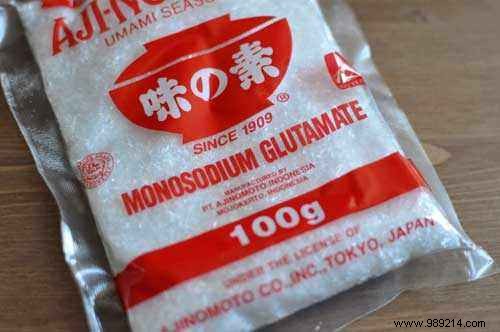
MSG, common in Asian cuisine, canned goods, soups, and more, boosts appetite by 40%, per a Spanish study. An Obesity journal study links high intake to triple obesity risk.
It disrupts leptin via hypothalamus effects, worsening over time, explains Dr. Decotiis.
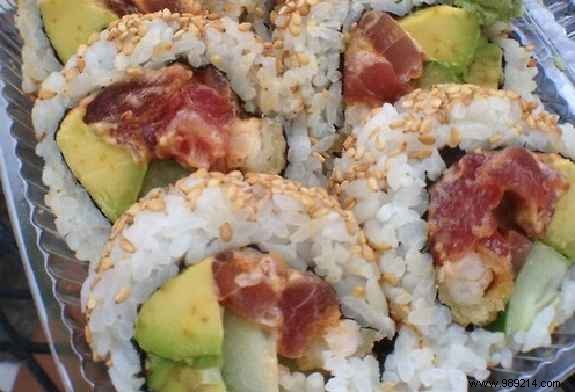
Sushi is rice-heavy— a California roll has 30g+ carbs, like three slices of white bread. "Without protein or fiber, it digests fast and doesn't satisfy," says dietitian Susan M. Kleiner, PhD, scientific advisor to USANA Health Sciences.

In diet sodas or coffee, sweeteners like aspartame trick the brain into expecting calories, leading to compensatory cravings.
They can disrupt hunger centers long-term and even spike insulin like sugar.
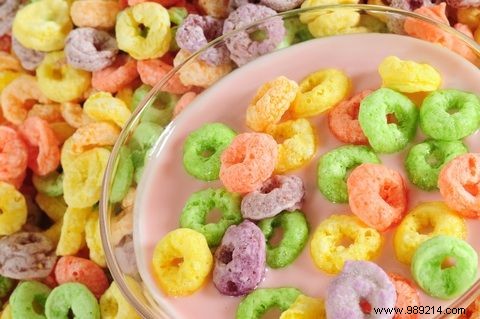
Sugary refined cereals spike blood sugar amid peak morning cortisol, hindering sugar delivery to tissues, says Dr. Decotiis—a metabolic double hit.
Choose whole-grain or bran cereals with at least 5g fiber and less than 5g sugar per serving.
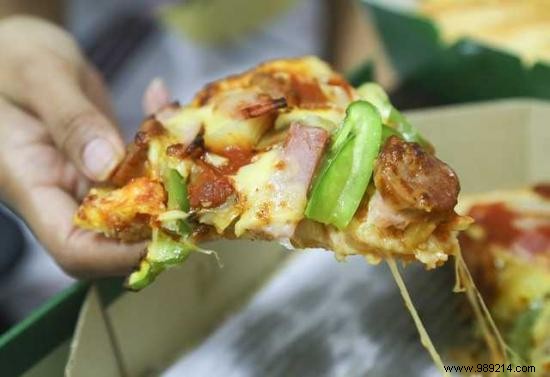
White flour, hydrogenated oils, processed cheese, and preservatives disrupt blood sugar and satiety hormones, leaving you hungry despite greasy slices, per Dr. Decotiis.
Make homemade with whole-wheat dough, lean protein, veggies, and minimal cheese for fiber-protein balance that sustains you.
Steering clear of these foods can curb mid-day cravings and support better health, drawing from proven research and expert guidance.
