
Got leftover egg whites from baking? As a seasoned home cook, I've mastered simple, reliable methods to store them safely in the fridge or freezer, minimizing food waste while keeping them fresh for recipes like meringues or macarons.
With these proven techniques, backed by food safety best practices, you can extend their usability without compromising quality.
Here are two effective solutions: refrigeration and freezing. Watch:
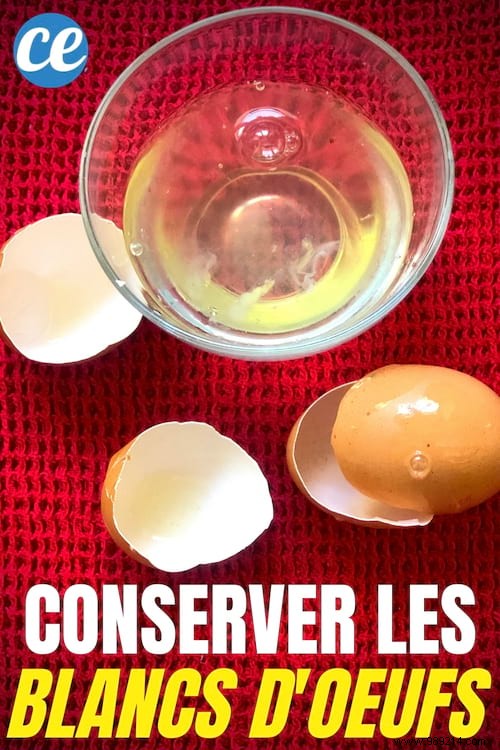
After separating egg whites for a recipe, avoid leaving them at room temperature. Transfer them promptly to the refrigerator in a clean, airtight container.
Label the container with the date and number of egg whites—this helps with portioning for future recipes and tracking freshness.
For larger quantities, divide into portions of two whites per container for convenience.
No airtight container? Use a bowl covered tightly with plastic wrap and label it accordingly.
Using refrigerated egg whites: Remove them from the fridge ahead of time and let them reach room temperature for 10-15 minutes before whipping.
Egg whites freeze exceptionally well, making this an ideal long-term storage option with no quality loss when thawed properly.
Here are three practical methods I've relied on for years:
First method: Place in an airtight container, label with the freezing date and quantity, and freeze.
Second method: Use a freezer bag—squeeze out excess air, seal, label, and store.
Third method: For space-saving, initially freeze in ice cube trays or small pots (one or two whites per cube), then transfer the solid portions to a labeled freezer bag.
Using frozen egg whites: For delicate recipes like macarons, thaw in the fridge overnight, as recommended by pastry expert Mercotte. They perform just like fresh whites—perfect for meringues with a pinch of salt.
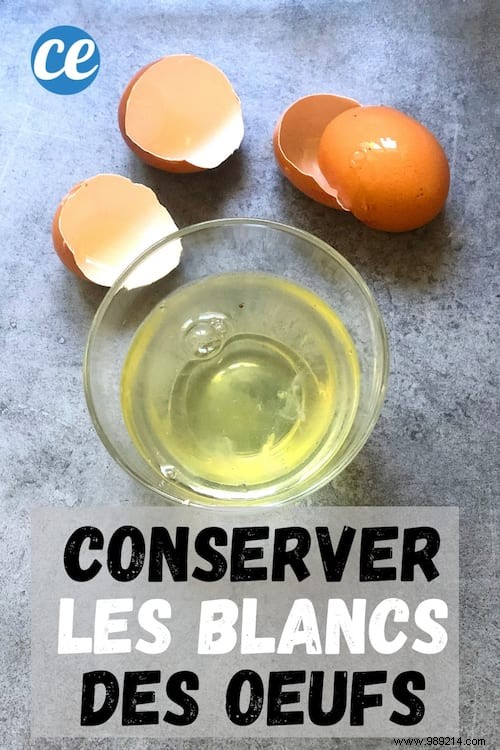
Refrigerator storage: Use within 4 days maximum, even with proper labeling and airtight sealing. Discard after this to ensure safety.
Freezer storage: Egg whites remain usable for up to 5 months, providing flexibility for spontaneous baking.
Check texture: Fresh egg whites should be thick and viscous. If they've turned watery or runny, discard them immediately.
Always err on the side of caution—if in doubt, throw them out to avoid any risk. Labeling prevents guesswork and ensures food safety.
