Love cooking at home but want to level up your skills? These 10 proven tips from seasoned chefs will make your time in the kitchen smoother, safer, and more delicious.
Read also: '9 ways to get the most out of your fresh products with cooking'
Master the French technique of 'mise en place'—everything in its place. Prep all ingredients beforehand and keep them within arm's reach. Chopping cheese, ham, and peppers for an omelet before heating the pan ensures nothing boils over while you scramble for supplies. It's a game-changer for stress-free cooking.
A dough cutter excels beyond pastries. Scrape sticky dough off boards or transfer sliced veggies like carrots to the pan without spills. Its broad surface beats using a knife edge, keeping your counters clean and ingredients intact.
Counterintuitive but true: a razor-sharp blade is safer than a dull one. Dull knives slip, requiring extra force that leads to accidents. Regularly hone your knives for precise cuts and fewer mishaps—your emergency room visits will thank you.
Skip the post-meal cleanup marathon. Use a bowl for scraps, load the dishwasher with used tools immediately, and wipe counters between steps. This keeps your workspace tidy, letting you savor your meal without the mess.
A well-organized fridge prevents spoilage and cross-contamination. Stack from top to bottom: ready-to-eat items and prepared foods (pies, apples, cheese), raw seafood, fish, or eggs, raw beef, raw pork, raw minced meat, and raw chicken at the bottom.
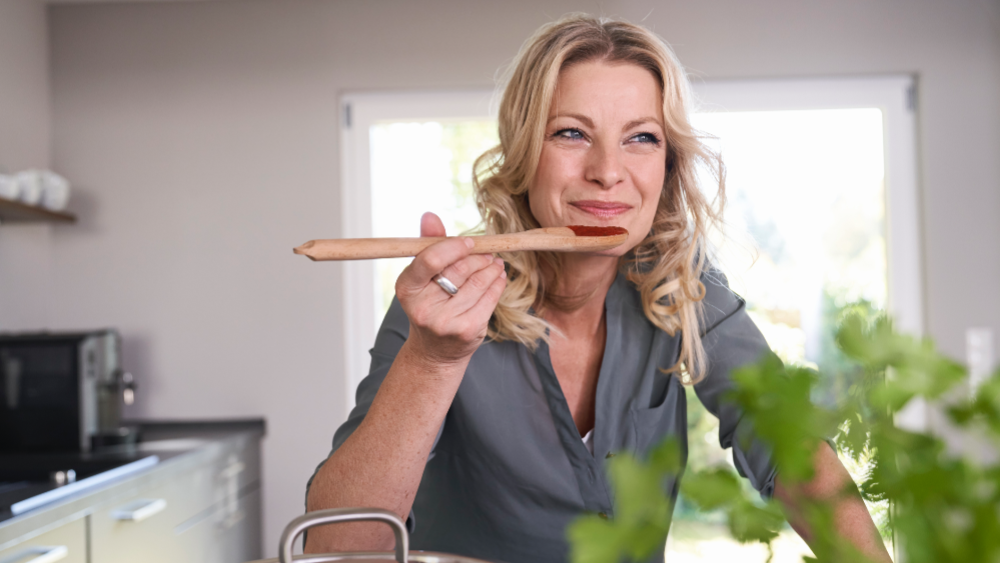
Don't undersalt your dishes—taste frequently. Keep a stash of clean spoons by the stove; use and set aside to avoid contamination. Add salt gradually for even flavor, enhancing every bite without overdoing it.
Hot food tastes better—science backs it. Higher temperatures send stronger signals to your brain, amplifying flavor. Skip lukewarm or cold servings; time your dishes to hit the table piping hot for maximum enjoyment.
For perfect chicken breasts or steaks, dry the meat thoroughly first. This triggers the Maillard reaction—browning that delivers rich, grilled flavor as amino acids and sugars transform under heat. Simple pat with paper towels.
Resist flipping meat too soon; let it sear undisturbed for the Maillard magic. It releases naturally when ready. Use a thermometer, not cuts, to check doneness, and avoid peeking in the oven—heat stays steady for even cooking.
Minimize waste with the FIFO method: use oldest items first. Place them upfront in fridge or pantry so they're grabbed naturally, keeping fresh stock rotating and nothing forgotten in the back.
Source: Realsimple.com
