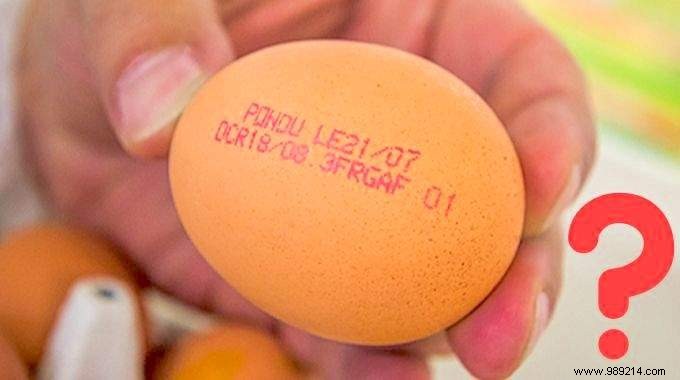
Every egg sold in supermarkets bears a printed code on its shell—a key to understanding its origin and quality. This code follows strict EU labeling standards, helping you select eggs that match your values, whether that's organic farming or animal welfare.
Deciphering it is straightforward with this expert guide, drawn from official regulations. Use it to make informed choices every time you shop.
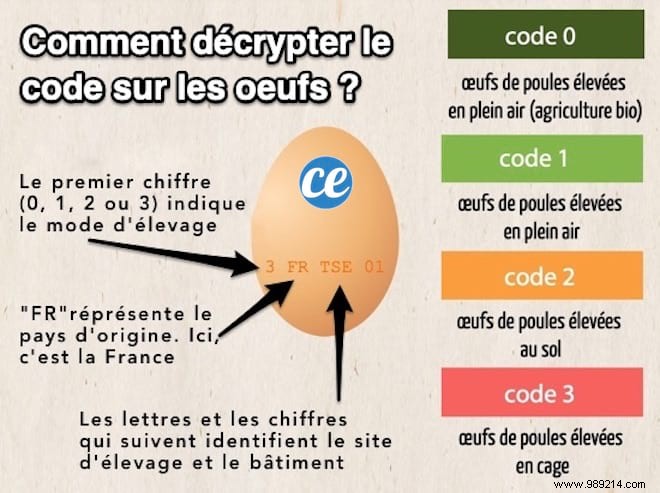
The first digit reveals the hen's living conditions and production method, as mandated by EU law:
Code 0: Organic free-range. Hens roam outdoors with organic feed and at least 2.5 m² of land per bird.
Code 1: Free-range. Hens have permanent outdoor access with a minimum of 2.5 m² per hen.
Code 2: Barn-raised. Hens live indoors on deep litter, uncaged, with no more than 9 hens per m².
Code 3: Cage-raised. Hens are in enriched cages, up to 18 per m²—note these are being phased out in many regions.
The next two letters indicate the country of origin (e.g., FR for France, UK for the UK). The remaining letters and numbers pinpoint the farm and building: for French eggs, three letters for the farm plus two digits for the unit.
Now you can confidently decode egg stamps. It's easier to pick quality eggs aligned with your preferences.
Since January 1, 2004, all packaging must display breeding details. Even unpackaged market eggs require shell codes starting with 0-3 followed by country letters.
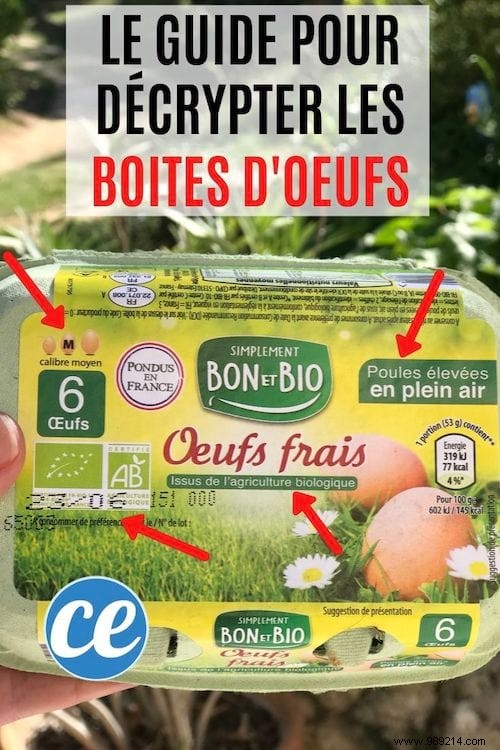
Supermarket egg boxes feature codes beyond the shell stamp. Here's what they mean:
Category A or B:
Category A eggs are for direct consumer use—unwashed and fresh, as found in stores. Category B goes to industry for processing.
Size:
Best before date: Minimum durability up to 28 days post-lay. Retailers can't sell eggs over 21 days old.
Extra fresh: Marked up to 9 days post-lay, with exact laying date shown.
Breeding method: Must include the 0-3 code. For full official details, check government egg labeling resources.
