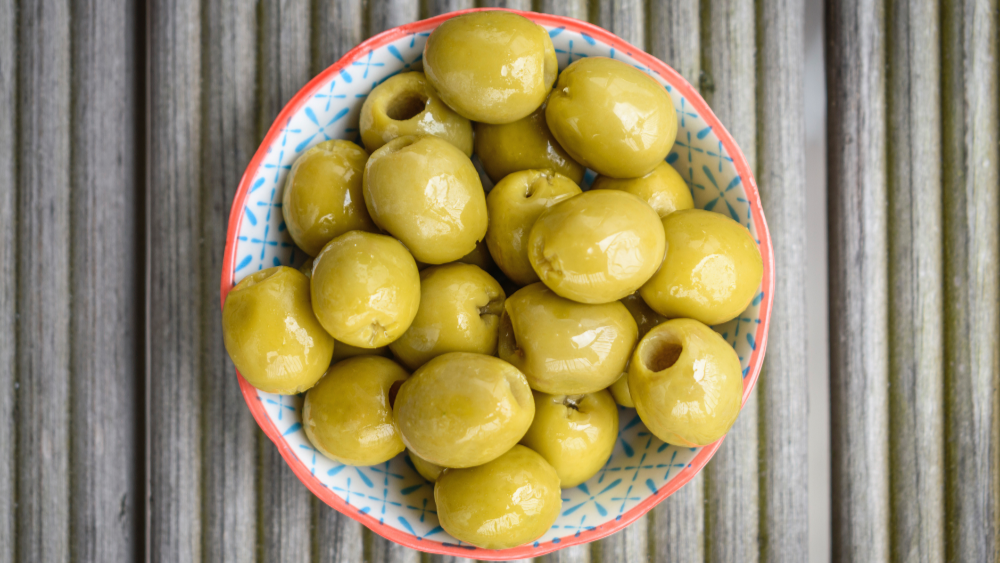
How often do you enjoy olives? While olive oil is celebrated for its heart-healthy benefits, eating whole olives delivers even greater advantages. As a nutrition expert, I've seen firsthand how they support vitality—here's the evidence-based breakdown.
Both green and black olives are rich in vitamin E and polyphenols, potent antioxidants that neutralize free radicals. These compounds safeguard cells, reducing risks of cardiovascular disease and cancer. They also bolster immunity for fewer illnesses and graceful aging. Vitamin E, being fat-soluble, absorbs best with the natural fats in olives.
Olives brim with monounsaturated fats—the 'good' fats that lower heart disease risk and curb inflammation. These are the same fats pressed into extra-virgin olive oil, perfect for enhancing salads or pasta dishes.


Black olives stand out for their high iron content, vital for oxygen transport in the blood. Iron deficiency affects many, especially women, leading to fatigue, dizziness, or cold extremities. Just 100 grams provides 16% of your daily iron needs— a simple way to stay energized.
Whole olives offer fiber that oil lacks, promoting fullness, smooth digestion, and gut health. Though not the highest source, it's a delicious daily addition to any meal.
Image: Getty Images Source: Realsimple.com
