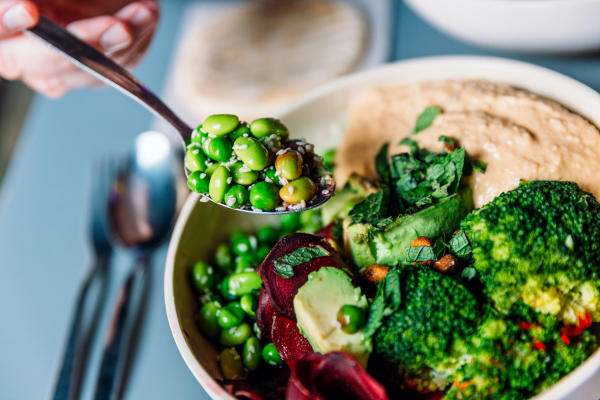
Thinking about switching to a fully plant-based diet? While the rewards are substantial, potential pitfalls deserve attention. Hormone Factor Trainer and Hormone Coach Sandra van Leeuwen shares five common challenges of an all-plant-based approach, plus practical guidelines for thriving on a healthy vegan diet.
As a seasoned nutrition expert, I've seen that any diet excluding key macronutrients or food groups carries risks—like nutrient deficiencies over time, short or long-term.
Each macronutrient—fats, proteins, and carbohydrates—plays vital roles. Fats, for instance, form the building blocks of sex hormones; a very low-fat diet can disrupt menstrual cycles.
Align your diet with your goals and lifestyle. Are you highly active? Listen to your body: Does the diet energize or drain you? Watch for poor sleep, mood dips, allergies, or headaches—these signal a need to reassess.
Life evolves, so should your nutrition. Stay flexible, just as you would with career or home choices.
Proven Benefits of a Plant-Based Diet
- Lower risk of type 2 diabetes
- Reduced risk of cardiovascular disease
- Higher antioxidant intake to counter daily toxins from air, food, and stress
- Improved gut function from increased fiber
- Less body acidification (linked to stress, poor digestion, and meat consumption)
Plus, a plant-based diet supports animal welfare and environmental health!
What to Watch Out for in Plant-Based Eating
- Long-term diets risk one-sidedness—vary your intake to stay balanced.
- Intense exercise or high-stress jobs? Boost proteins accordingly.
- Combine plant proteins (e.g., beans + grains) for complete amino acid profiles.
- Ramp up raw fruits and veggies gradually—fiber surges can challenge digestion initially.
- Phytic acid in nuts and legumes (meat replacements) may cause gut issues in excess.
Phytic acid, a plant's natural defense, hinders digestion and appears in nuts, legumes, coffee, grains, and cocoa.


Expert Guidelines for a Plant-Based Diet
- Vary foods widely for broad nutrient coverage and to minimize intolerance risks.
- Incorporate proteins like beans, lentils, quinoa, buckwheat, and sprouts (broccoli, bean, alfalfa).
- Soak phytic acid-rich foods (nuts, oats) overnight for better digestibility.
- Add omega-3s via nuts, chlorella, or spirulina.
- No bread? Include seaweed periodically to maintain iodine levels.
- Manage stress—it depletes vitamins and minerals.
- High activity or stress phases? Supplement with protein powder.
- Use soy sparingly, preferably organic and fermented, to avoid gut issues common with processed Western varieties.
- Balance macronutrients (fats, proteins, carbs) for optimal energy—track with a nutrition app if needed.
