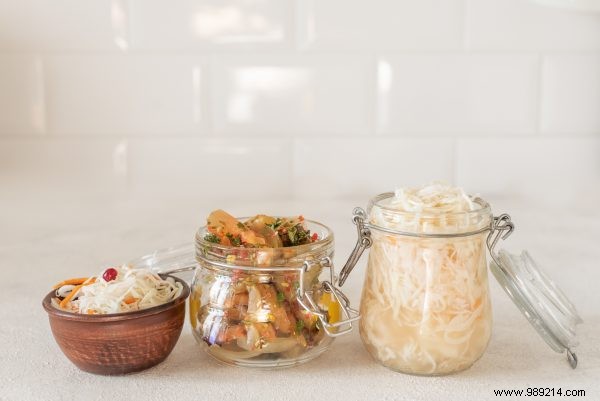
Our grandmothers likely saw fermenting food as routine as boiling an egg. This time-honored practice dates back over 10,000 years, making it one of humanity's oldest methods for preserving perishables.
With refrigerators and industrial preservatives dominating modern kitchens, fermentation faded away. Now, savvy home cooks and food enthusiasts are reviving it, filling counters with kimchi jars and pickled veggies.
Fermentation is a natural process where microorganisms like bacteria, yeasts, and molds transform food. In the right conditions—warmth, oxygen, moisture, plus salt or herbs—these microbes thrive, producing enzymes that break down carbohydrates and proteins. The result? Enhanced flavors, aromas, digestibility, shelf life, and even visual appeal.
Everyday staples like bread, beer, wine, cheese, yogurt, buttermilk, and sourdough are all fermented—often industrially for store shelves. For peak health benefits, including live probiotics and nutrients, nothing beats doing it yourself.
Read also: 'Fermentation in 6 simple steps'
