Ready to simplify your week with meal prepping? As experienced nutritionists and busy professionals who've tested countless strategies, we break down exactly what it is, the tools you'll need, and proven methods to get started successfully.
Imagine skipping the nightly dinner dilemma—no more last-minute takeout guilt or rushed choices. Meal prepping changes the game. Below, we share expert insights to help you build sustainable habits for healthier, stress-free eating.
Related read: Become a Soup Chef
What Is Meal Prepping?
At its core, meal prepping involves planning and preparing meals ahead of time. Here are the three most effective approaches we've found:
- Cook in bulk: Prepare dinner for four instead of two, then freeze half for later.
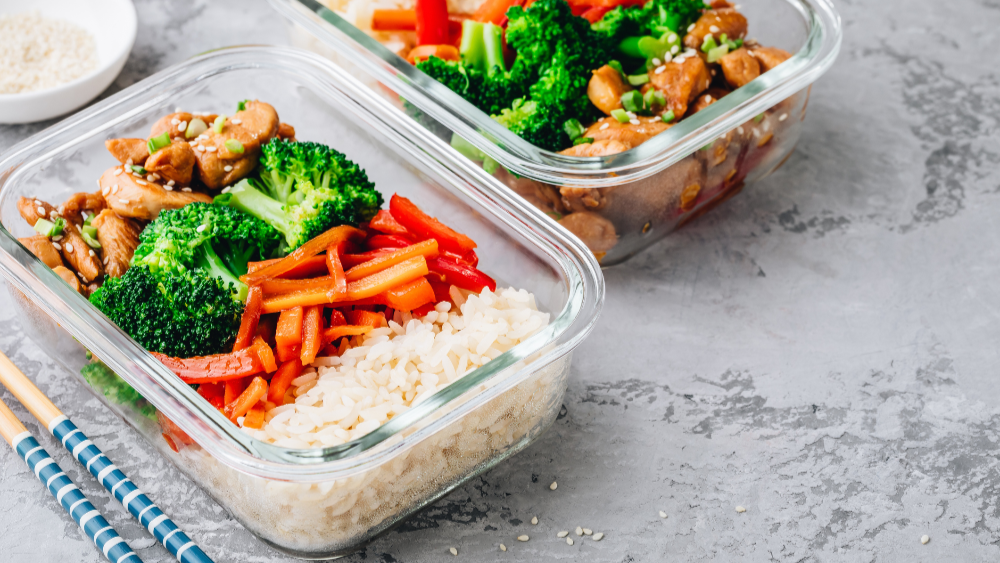
- Assemble portioned trays: Fill containers for breakfast, lunch, or dinner to grab and go.
- Prep ingredients: Wash, chop, peel, and cook components like veggies for quick assembly later.
Key Benefits Backed by Real Results
Meal prepping saves hours each week, cuts grocery costs through smart bulk buys, and curbs impulse orders. It naturally promotes healthier eating—our clients report better energy and portion control. A true win-win-win.
Essential Tools and Ingredients
1. High-Quality Containers
Opt for reusable, airtight, microwave-safe options in various sizes. They're perfect for meals or individual components and keep food fresh longer.
2. Smart Ingredient Choices
Select items that store well without sogginess or flavor crossover. Prioritize these for longevity and nutrition:
- Frozen vegetables like peas, broccoli, and cauliflower
- Firm fresh veggies such as celery, carrots, bell peppers, and radishes
- Starchy options like parsnip, cassava, (sweet) potato, and pumpkin
- Grains including oatmeal, quinoa, and buckwheat
- Legumes such as chickpeas, lentils, beans, and peas
- Lean proteins: canned fish, eggs, Greek yogurt, cream cheese, shredded cheese, egg whites, lean chicken breast, turkey, beef, and pork
- Fresh fruit cuts like apples, bananas, oranges, mandarins, plums, peaches, and pears
- Nuts and seeds: almonds, walnuts, peanuts, pumpkin seeds, chia seeds, and flax seeds
3. Reliable Storage Space
A spacious fridge or freezer is crucial for safely storing your prepped meals.
How to Get Started: Proven Steps
- Select a target meal: Focus on one you often skip, like breakfast, lunch, or dinner.
- Pick your prep day: Sundays or Wednesdays work best—weekend reset or midweek refresh when schedules ease up.
- Scale appropriately: Start with 2-3 days' worth to allow variety and avoid overwhelm, rather than a full week.
Source: Womenshealthmag.com/uk
