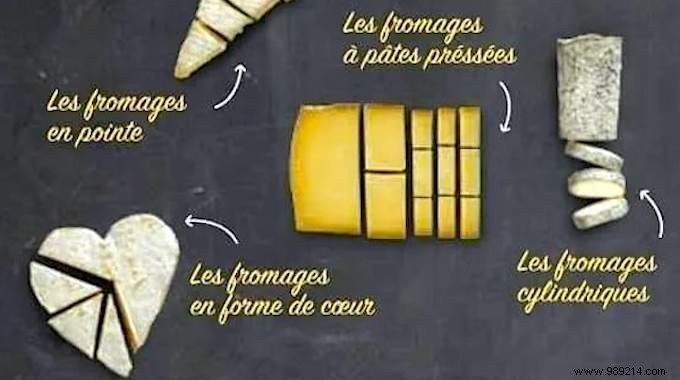
Invested in a stunning cheese platter? Cutting it properly can be tricky—with unique techniques for each variety, from Comté to Roquefort and Camembert.
Luckily, I've learned the pro secrets straight from my trusted fromager, a cheesemaking expert with decades of experience. The golden rule? Ensure every slice goes from rind to heart, so no guest gets stuck with just crust.
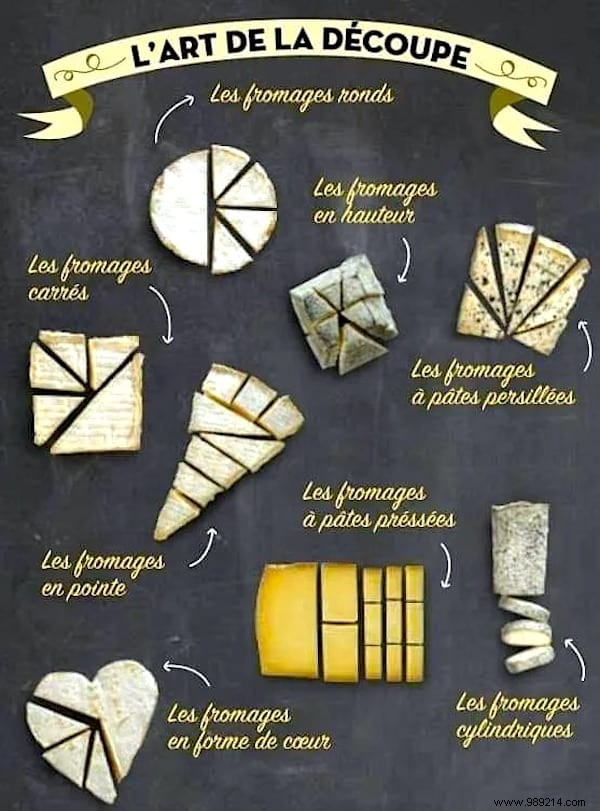
Here's how to cut each cheese type flawlessly (skip raclette, as it's pre-sliced):
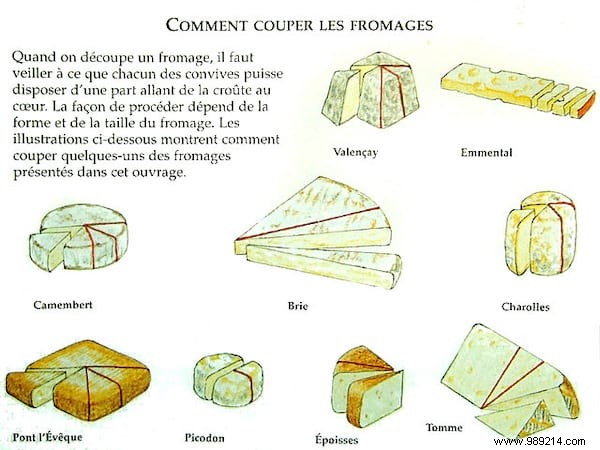
Camembert, Reblochon, Saint-Nectaire, Époisses, or Coulommiers are straightforward. Halve the wheel, then quarter each half, and slice those into eighths. Ready to serve!
Think Valençay or similar goat cheeses. Slice vertically into two equal parts, then divide each into three even triangles for slender, tall portions.
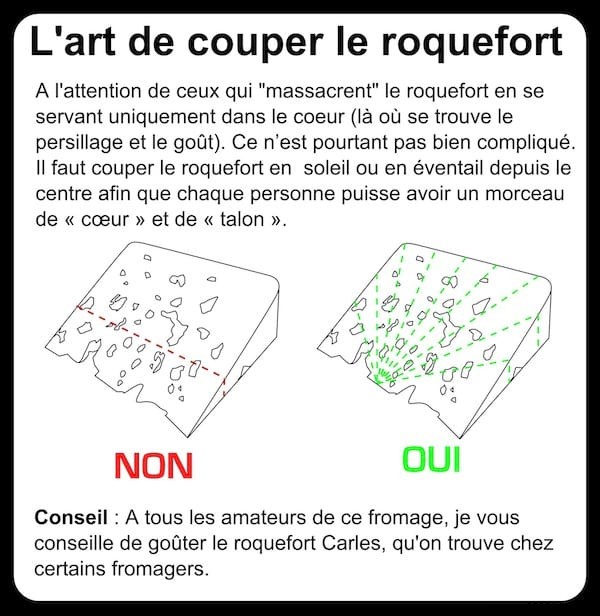
Flavors shine in the marbled veins of Bleu d'Auvergne, Fourme d'Ambert, or Roquefort. Lay flat and fan-slice wedges. For cylindrical ones like Fourme, treat like Camembert.
Maroilles or Pont-l'Évêque: Cut diagonally into triangles, then halve repeatedly based on size.
Like Brie from a wheel. Cut radial slices from the point; bisect larger ones angularly into triangles, then lengthwise at the rind end.
Comté, Salers, Morbier: Slice rind-parallel from the center into rectangles. At halfway, fan the rind (Aveyronnaise style).
Neufchâtel: Halve lengthwise from the point, then fan each half into quarters.
Goat cheese logs: Slice into even, not-too-thick rounds, like bread.
Picodon: Halve, then quarter each half.
Charolles: Halve the cylinder, then fan equal portions from each.
Tomme de brebis slices: Lay flat, halve widthwise, then fan.
Gruyère slabs: Parallel slices across the width.
Vacherin or Mont d'Or: Scoop with a spoon after crust removal—no knife needed.
Old mimolette: Break or shave with a peeler. Tête de moine requires a chanterelle tool.
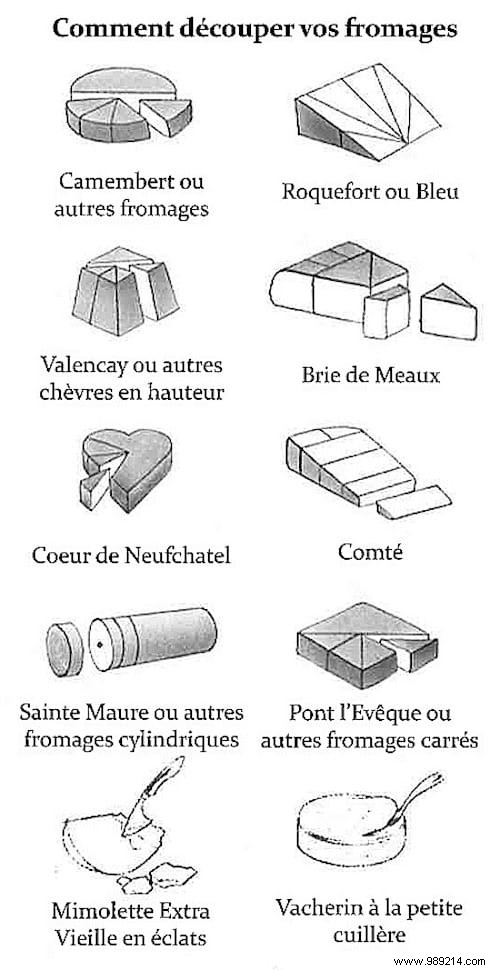
Master these, and you'll handle any cheese board. Perfect for French holiday feasts!
- Rinse and dry knives between cheeses (like with foie gras).
- Use separate knives: one for soft, one for strong.
- Label cheeses for easy ID.
- Garnish with wedges, spoons for runny ones—make it irresistible.
- Position one-crust cheeses (e.g., Comté) rind-inward.
Try these fromager-approved methods and share your results in the comments!
