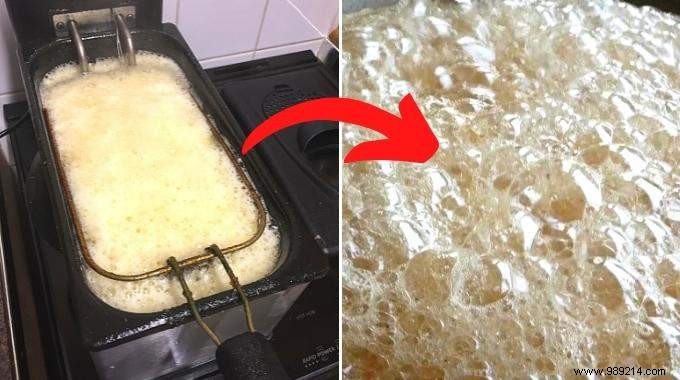
Does your frying oil foam excessively, sometimes even overflowing the fryer? You're not alone—this common issue has several causes, from old oil to preparation mistakes. As a culinary expert with years of deep-frying experience in home and professional kitchens, I've troubleshooted this countless times. Left unchecked, it can alter food taste or lead to burns. Here's why it happens and how to fix it safely.
 Contents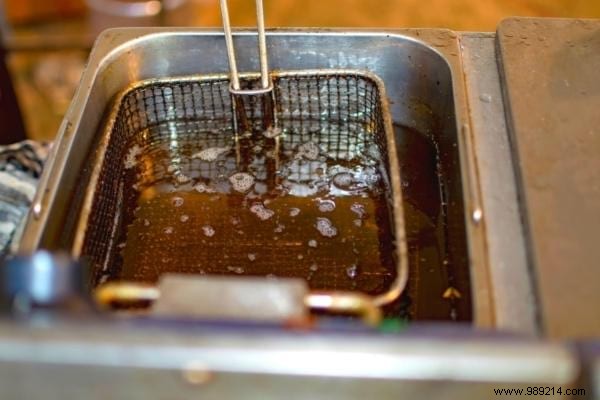
Fresh frying oil is moisture-free, enabling dry-heat cooking where food's water evaporates into steam. Over time, repeated use makes oil viscous, trapping water, humidity, and air at the tank's bottom.
When this hits the heating element, water boils violently, creating foam and overflow. The solution: Replace old oil with fresh. Foam is a reliable sign your oil has reached the end of its life.
Pro tip: Extend oil life with proper filtration and storage; clean it using standard kitchen methods for reuse.

New oil foaming? Blame waterlogged food. Homemade fries are classic culprits—peeling and rinsing without thorough drying lets water seep into the oil, pooling at the bottom and causing foam.
Dry foods thoroughly with paper towels before frying to prevent this.
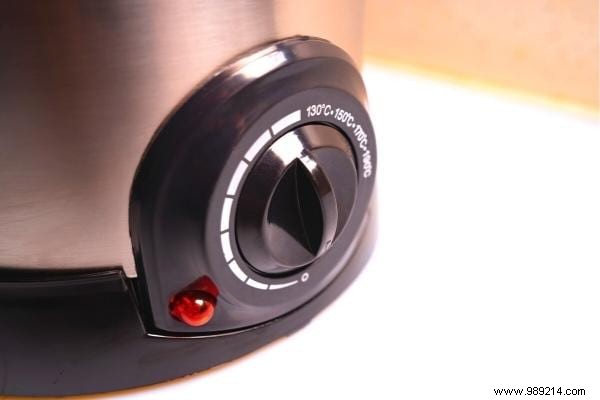
Cranking the heat for speed backfires. Frozen fries dropped into scorching oil create a massive temperature shock, producing explosive bubbles and overflow.
Let frozen foods thaw slightly at room temperature first. This minimizes the shock for safer, cleaner frying.

Simple overflow? Your tank might exceed the max fill line marked inside most fryers. Check and remove excess oil when cold.
Foaming from old oil often produces smoke with toxic, acrid fumes harmful to health. Foods absorb these, leading to heavy digestion. Overflow risks severe burns—hot oil splatters unforgivingly.
If foaming starts, lift the basket immediately, let cool, then resume carefully. Change the oil right away.
