Rosemary is a beloved herb in Mediterranean cooking, renowned for its aromatic flavor. Yet, its benefits extend far beyond the kitchen, offering proven advantages for health, beauty, and household use. As a naturopath with years of experience guiding clients on natural remedies, I've compiled these 18 practical applications of rosemary, backed by traditional wisdom and modern insights.
Explore 18 essential rosemary benefits and uses below:
 Contents
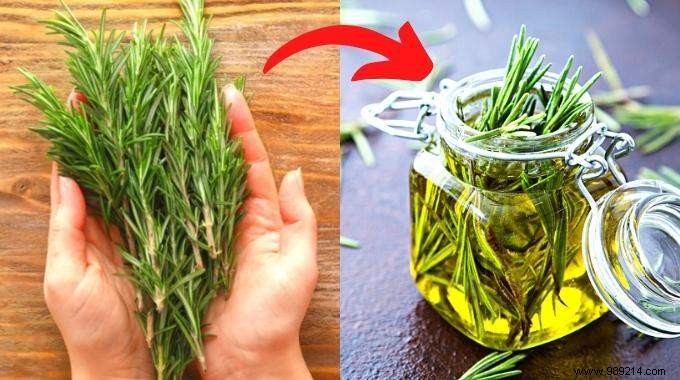
To create a fragrant rosemary-infused oil, simply steep 3 or 4 sprigs of fresh rosemary in a bottle of olive oil for at least 3 weeks. Drizzle it over salads or pasta for enhanced flavor. For best results, marinate grilled meats in this oil before barbecuing. It's also ideal for bread, pizza, or pasta dough.

Prepare rosemary-garlic butter by softening unsalted butter at room temperature. Finely chop rosemary and garlic, then mix into the butter. Perfect for melting over grilled meats, much like a classic maître d'hôtel butter. Shape into molds for an elegant presentation.

Evoke the tastes of Provence with homemade rosemary salt. Place several sprigs of fresh rosemary in a jar of coarse salt and seal tightly. Let it infuse for at least 15 days, then sprinkle over fish or grilled meats.

Aromatic herbs shine in desserts too. Try a citrus-rosemary sorbet, such as grapefruit or lemon paired with rosemary, for a refreshing, zesty treat. Find an easy sorbet recipe here.

Stay hydrated with flavored water during hot weather. Infuse a sprig of rosemary in a sealed carafe of water, adding lemon, grapefruit, mint, or raspberry syrup. Enjoy chilled for optimal refreshment.
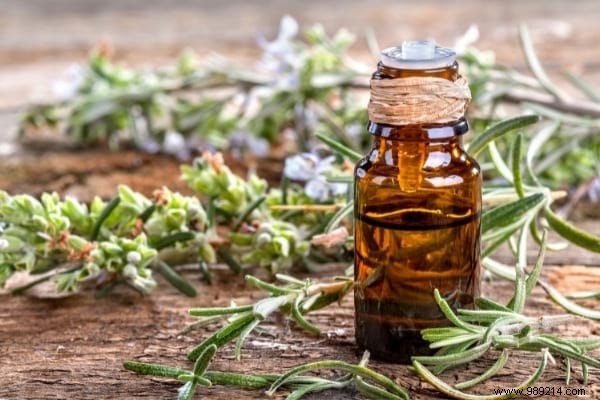
Rosemary essential oil, particularly from Rosmarinus officinalis, is valued for easing anxiety, joint pain, headaches, and colds. It supports blood circulation, digestion, weight management, and focus. Learn more about its benefits in this dedicated article.
Ditch commercial deodorants laden with questionable chemicals. Instead, mix fresh rosemary sprigs with baking soda for a natural alternative. In some traditions, consuming aromatic herbs like rosemary imparts a pleasant scent to sweat.

Achieve stronger, shinier hair with a rosemary and nettle infusion as a rinse. It cleanses the scalp, combats dandruff, balances oil, and stimulates circulation to promote growth. Some use rosemary-infused white wine for regrowth.

For sinus congestion or stuffy noses, rosemary fumigation provides relief. Boil water, infuse with rosemary sprigs (or 2 drops of camphorated rosemary essential oil), and inhale under a towel for 10 minutes. It acts as a natural expectorant.

Enhance cognitive function and memory with rosemary's cineole essential oil via diffusion, or incorporate it into meals using the earlier recipes. Its carnosic acid protects brain cells from free radical damage.

Rosemary infusion serves as a time-tested remedy for toothaches, headaches, heartburn, minor wounds, rheumatism, or osteoarthritis. Massage the affected area and sip the tea for dual internal-external relief.
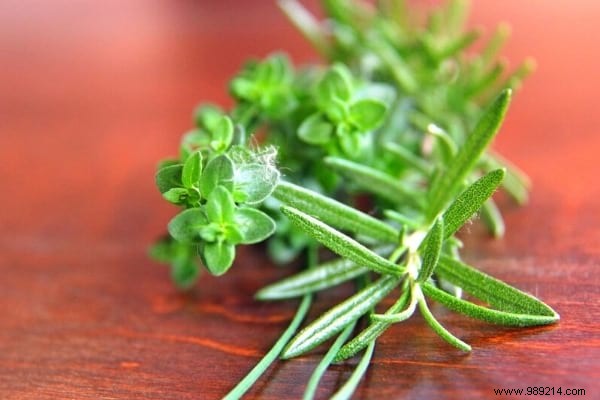
Combat stress by inhaling fresh or dried rosemary from a plant or sprig. Alternatively, diffuse a drop of rosemary essential oil in your space.
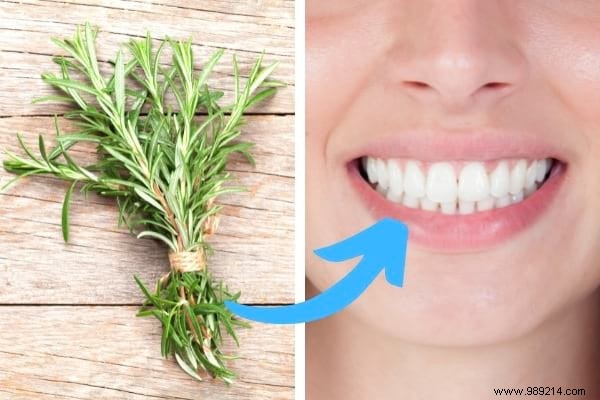
As a potent antibacterial, rosemary excels in oral care. Infuse 4 sprigs with 4 cloves in 500 ml water for a daily mouthwash to prevent bad breath, cavities, or gum issues.
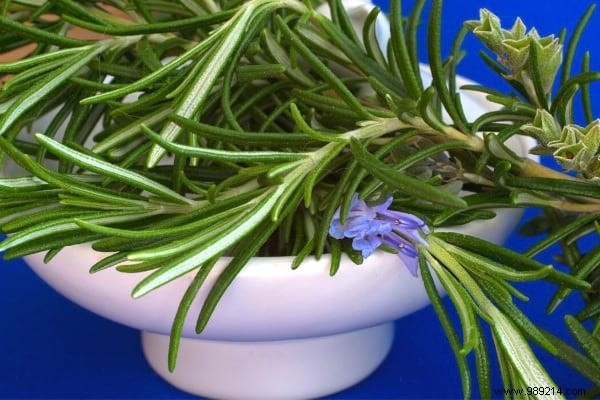
The rosemary oil from tip 1 soothes eczema, psoriasis itch, acne, or minor wounds. Gently massage into the affected area.

Promote urinary function with regular fresh rosemary tea, hot or cold. Enhance with elderberry, dandelion, or fennel if desired.

At migraine onset, inhale rosemary infusion under a towel or apply oil compresses to temples.
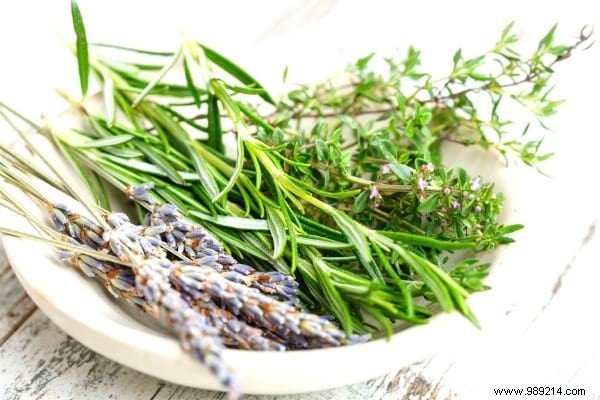
Create potpourri by simmering rosemary with cinnamon, vanilla, lemon, petals, sage, mint, or lavender in water for a natural home fragrance.

Place rosemary sprigs at entry points to deter mosquitoes, cockroaches, and flies. Grow potted plants on terraces or windowsills—it's hardy in various climates.
