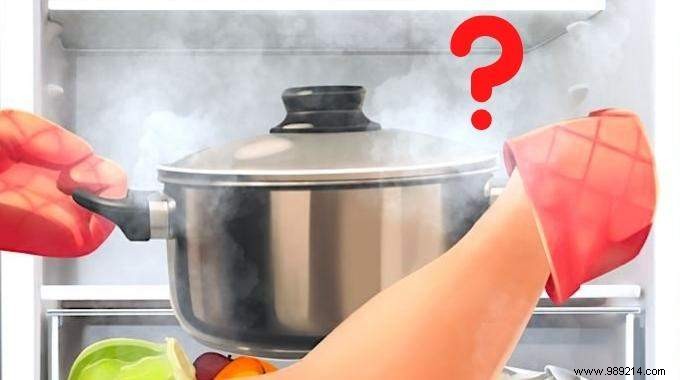
Can you refrigerate hot food or leftovers right away? It's a crucial question for health and energy savings.
As any experienced home cook knows, your fridge needs to stay cold—ideally between 3°C and 5°C. Adding a steaming-hot dish raises the internal temperature, forcing the appliance to work harder and use more electricity. Yet, leaving food out too long invites rapid bacterial growth. So, should you always cool dishes first? Here's proven guidance to stay safe and efficient. Watch:

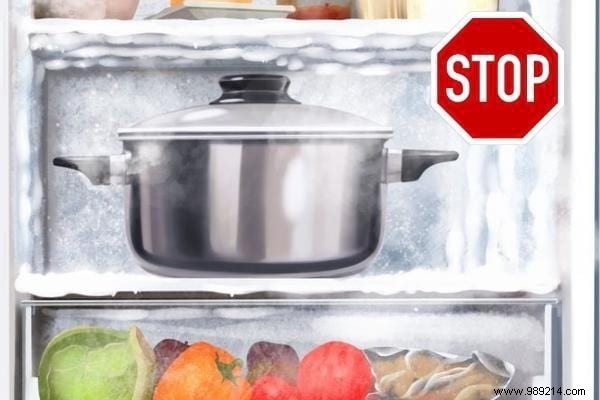
From years of kitchen science and food safety guidelines, here are the key reasons to avoid refrigerating piping-hot food:
1. Hotter dishes take longer for the fridge to cool back to 3-5°C.
2. They spike energy use as the compressor runs harder.
3. Nearby foods warm up, risking spoilage.
4. Elevated temps accelerate bacterial growth inside.
5. Shelf life shortens for all stored items.
6. Overloads can strain and damage your fridge.
7. Expect condensation and frost buildup on walls.
While cooling first is smart, timing is critical to prevent foodborne illness.
1. Limit room-temperature exposure to 2 hours max.
2. Bacteria double every 20 minutes in the 'danger zone' (4-60°C).
3. Be extra cautious with meats (beef, poultry).
4. Overnight room-temp storage risks poisoning, especially meats.
5. In 32°C+ heat, cut to 1 hour.
For hot dishes, cool at room temperature first—but mind the clock.
Non-meat dishes: Up to 2 hours is safe before fridging.
Meat dishes: 20 minutes to 1 hour max.
Most cool faster anyway. Set a phone timer to avoid forgetting.
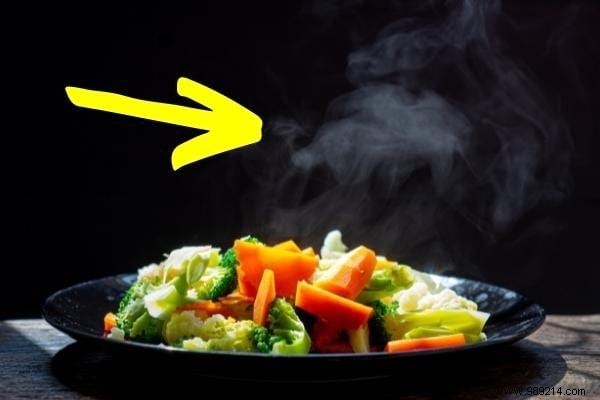
A simple, reliable test: Check for steam. If the white vapor is gone, it's fridge-ready. Wait 10 more minutes if needed.
Need speed? Try these trusted techniques:
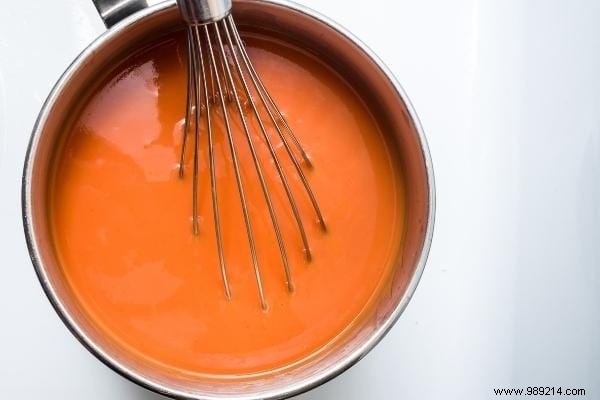
- For soups, keep in the saucepan (max air exposure).
- Stir frequently while hot.
- Skip the lid to vent steam.
- Place outside on a terrace/balcony or open windows.
- Sink food containers in cold water.
- Avoid heat-trapping surfaces like cork/wood.
- In a pinch, ice bath submersion.
