
Pesticide residues on fruits and vegetables, even organic ones, can pose health risks. Learn proven, natural cleaning methods validated by the Center for Science in the Public Interest to safely reduce exposure while preserving nutrients.
While growing your own produce is ideal, these simple techniques allow you to enjoy conventional fruits and veggies with significantly fewer chemicals.
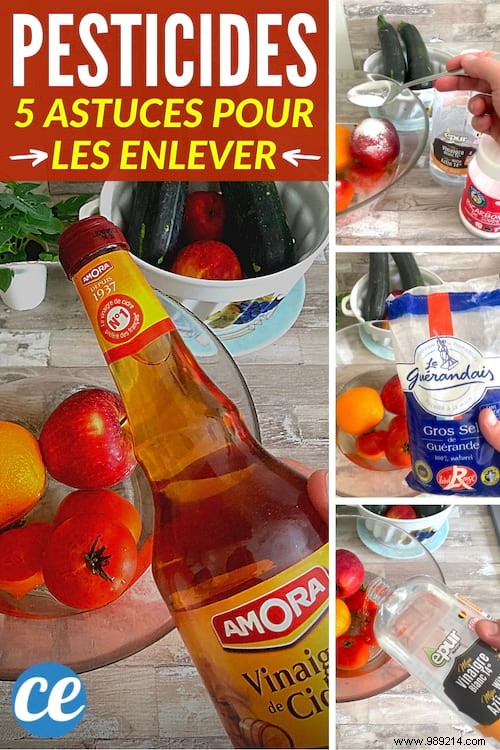
Pesticides are extensively used in conventional agriculture, but practical steps can minimize residues on your produce.
Opting for organic when possible is beneficial, and these methods make non-organic options safer by removing up to 70% of surface pesticides.
These techniques work well for most produce, but the following 12 items often retain high pesticide levels even after thorough washing: strawberries, spinach, nectarines, apples, peaches, pears, cherries, grapes, celery, tomatoes, peppers, and potatoes.
In contrast, these have lower residues even when conventionally grown: avocados, pineapples, cabbage, sweet potatoes, onions, mangos, asparagus, papayas, eggplants, kiwis, grapefruits, melons, and sweet corn.

Washing produce removes dirt and some chemicals, especially important for children sensitive to toxins. However, standard rinsing leaves residues in plant tissues.
Peeling eliminates more but discards nutrient-rich skins. Instead, use these five evidence-based methods endorsed by the Center for Science and Environment.
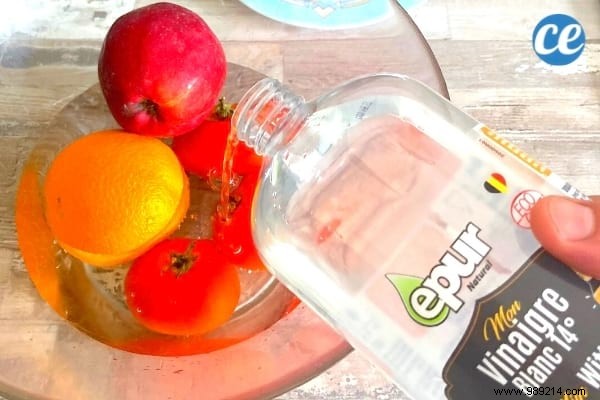
Soak produce in a solution of 10% white vinegar and 90% water (10 cl vinegar per 90 cl water) for 15-20 minutes. Rinse thoroughly with clean water and dry. This effectively removes pesticides from peels and kills insects on leafy greens like spinach or lettuce.
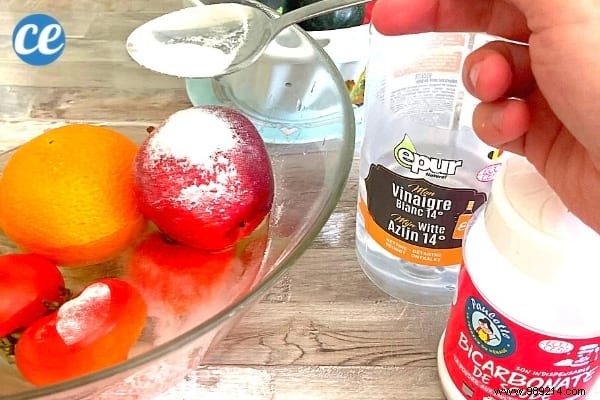
Mix 3 tablespoons baking soda, 100 ml white vinegar, and 1 L water. Soak for 30 minutes, then rinse and dry. This combination targets a wide range of pesticides. For quick cleaning, rub baking soda on apples or similar fruits before rinsing.

Dissolve 4 tablespoons coarse salt in 1 L water. Soak and rub produce for 20 minutes, then rinse and dry. An effective natural alternative for pesticide reduction.

Mix 250 ml apple cider vinegar with 1 L water (25% vinegar, 75% water). Rub produce in the solution for 15-20 minutes, then rinse and dry.

In a 750 ml sprayer, combine juice of 1 lemon, 2 tablespoons white vinegar, and water. Spray on produce, rub lightly, and dry with a clean towel for deep cleaning.
For thick-skinned produce like potatoes, cucumbers, or apples: soak for at least 30 minutes and use a vegetable brush in the solution.
These methods suit most produce, from chicory to pomegranates. Avoid on fragile or porous items like blueberries, raspberries, or strawberries, which absorb solutions easily.
For these high-pesticide berries, choose organic or wild-picked options for optimal health and flavor.
