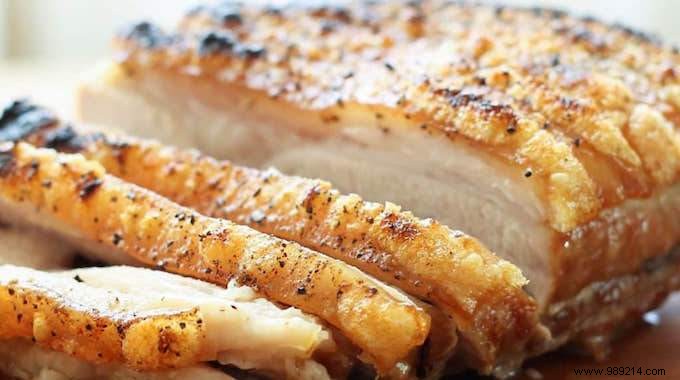
Craving perfectly crispy roast pork? This delicious, budget-friendly dish is a favorite, but achieving that ideal crunch can be tricky.
Fortunately, professional chefs swear by a simple trick to deliver pork that's tender on the inside and irresistibly crispy on the outside.
The secret? A light rub of baking soda. It's straightforward and foolproof—here's how:
 Contents
 1. Place the roast in a baking dish.
2. Measure a teaspoon of baking soda into your clean hands.
3. Gently rub the baking soda all over the roast, focusing on the skin.
4. Roast as usual.
That's it—you now hold the chef's secret to mouthwatering crispy roast pork! Easy, quick, and utterly delicious.
Thanks to the baking soda, the skin transforms into a golden, shatteringly crisp layer. For perfect roasting every time, follow these four additional tips.
As any experienced butcher will tell you, selecting quality meat is key to a standout roast.
Look for firm meat that's pale pink with no odor. The fat should be pure white, the texture fine-grained, and the bones vibrant red—indicating a young animal under six months old for optimal tenderness and flavor.
Avoid thicker cuts from older pigs, which have coarser texture and whitened bones.
Whenever possible, prioritize organic pork from pasture-raised pigs. These farms provide humane, open-air conditions, resulting in healthier, superior-quality meat.
Yes, it's pricier than industrial options, but investing in better meat means eating less while enjoying more nutrition and taste.
Industrial farms often rely on problematic feeds like animal meal or GMOs, plus routine antibiotics from birth—contributing to health risks and antibiotic resistance.
