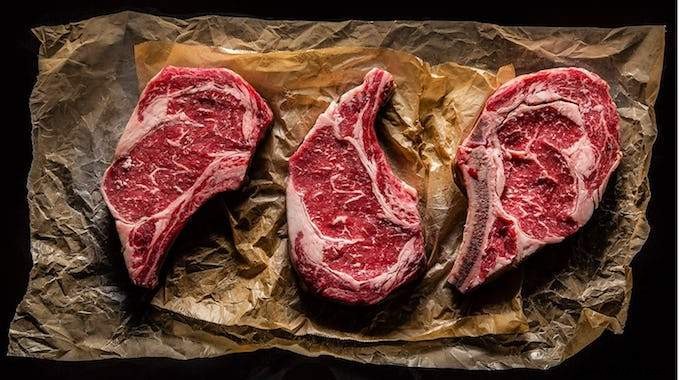
Who doesn't crave tender, melt-in-your-mouth meat, whether grilled, pan-fried, or roasted? Achieving that perfect texture can be challenging, but there's a reliable chef-approved trick using baking soda that delivers exceptional results every time.
As a home cook with years of experience testing kitchen hacks, I've relied on this simple method shared by a professional chef friend. It works for any cut, big or small. Here's how:
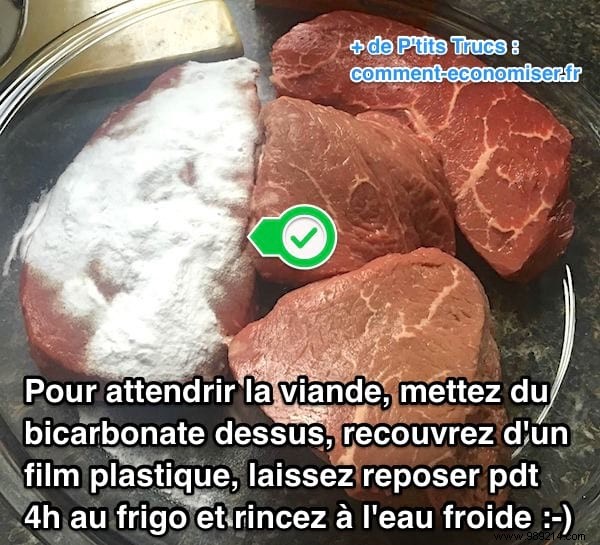
1. Roll the piece of meat in a plate filled with baking soda.
2. Cover the meat with plastic wrap.
3. Leave to rest for at least 4 hours in the fridge.
4. Rinse the meat thoroughly with cold water to remove all the baking soda.
5. Cook your meat the way you want.
1. In a bowl, mix baking soda with a little water. For 100 g of meat, count a teaspoon of baking soda and 1/2 glass of water.
2. Soak the pieces of meat in the bowl for at least 15 min.
3. Remove the meat from the bowl.
4. Rinse well with cold water.
5. Cook your meat the way you want.
And there you go! Thanks to this chef's trick, your meat is now super tender :-)
Easy, fast, and efficient, right? Each piece melts in your mouth... Yum, it's delicious!
This works just as well for grilled or pan-fried pieces, and even those cooked to perfection. It suits chicken, roast veal, veal, pork chop, bourguignon, sautéed veal, beef for brochette, sirloin, beef tongue, pork, or wild boar.
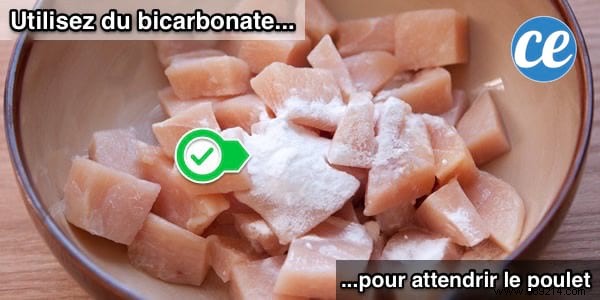
This technique shines with any meat: beef, pork, chicken, veal, wild boar, rabbit, and even beef bourguignon.
It excels with small slices, as their entire surface absorbs the baking soda, which alkalizes (makes less acidic) the meat's surface.
This prevents proteins from binding too tightly, preserving tenderness during cooking.
