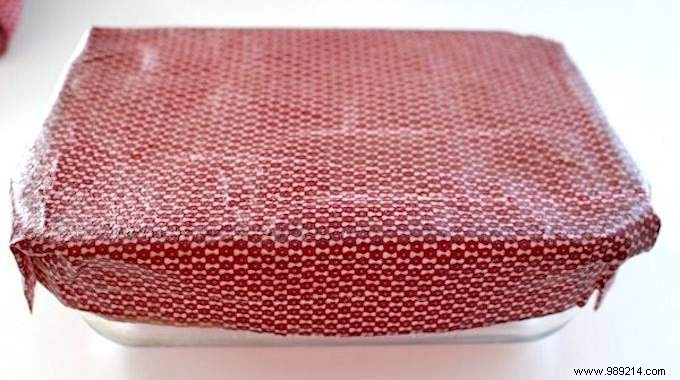
Are you ready to ditch single-use plastic cling film? If you're seeking a healthier, eco-friendly alternative that saves money and reduces waste, you've come to the right place.
Like aluminum foil, plastic wrap harms the environment and may pose health risks. The good news: you can create reusable beeswax wraps at home using simple, natural ingredients.
The secret? Coat cotton fabric with melted beeswax to form a flexible, airtight cover. Watch how:

Source: Beatriesesdechets
1. Cut a square of fabric from an old shirt to fit your baking sheet.
2. Iron the fabric smooth.
3. Line your baking sheet with parchment paper (or reuse aluminum foil to avoid waste).
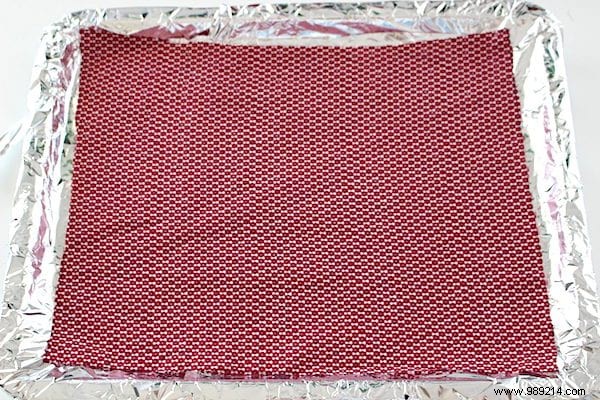
4. Place the fabric square on the lined sheet.
5. Sprinkle beeswax generously over the fabric.
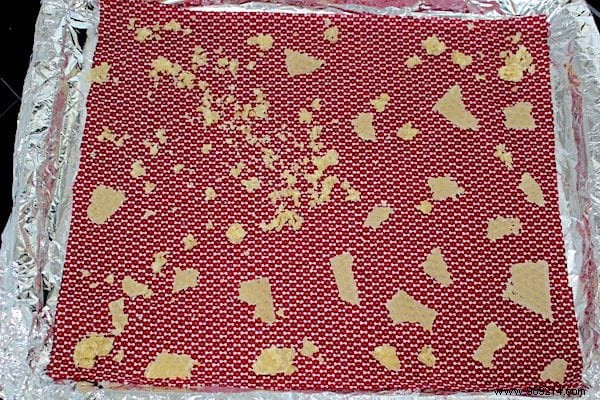
6. Bake at 80°C for about 5 minutes until the wax melts evenly.
7. Remove from the oven once fully coated.
8. Peel the fabric off the sheet.
9. Hang to dry on a line or rack.
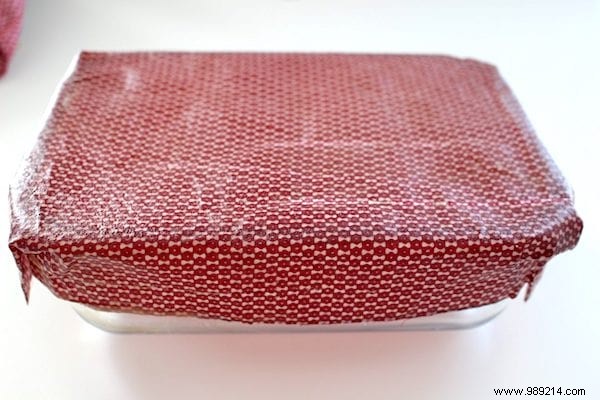
Your beeswax wrap is ready to use! Quick, simple, and cost-effective.
Reuse it endlessly: mold over bowls, wrap sandwiches, or cover jars (cut to shape as needed). After use, rinse with cold soapy water and air dry.
It's 100% natural, flexible, and outperforms plastic.
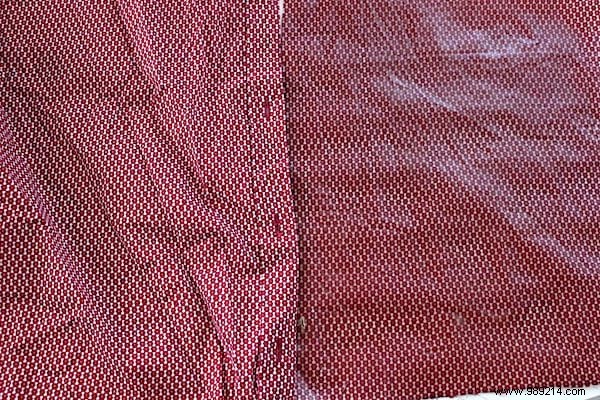
Compare the untreated fabric (left) to the waxed version (right)—the waterproof layer is evident.
This ancient preservation technique seals food airtight, blocking air through the fibers. Beeswax's natural antibacterial properties prevent mold, making it a safe, effective lid alternative.
