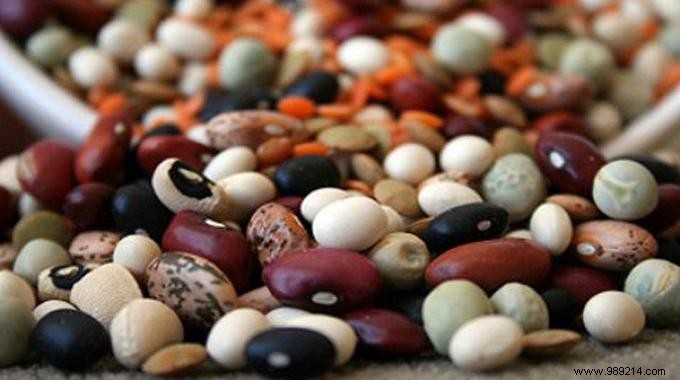
Legumes like beans, lentils, and chickpeas are nutritious staples in many diets. But they often take a long time to cook.
From years of home cooking experiments, I've discovered that adding baking soda to the cooking water significantly speeds up the process, saving valuable kitchen time.
Try it yourself next time you prepare pulses such as beans, lentils, or chickpeas—just add a little baking soda to the water. It softens the tough skins and accelerates cooking. Watch the difference:

A teaspoon of baking soda per liter of water in your pot is all it takes. This simple addition reliably reduces cooking time for pulses.
The exact savings vary by pulse type, pot, and heat source.
But based on consistent testing, expect at minimum 20% time savings—and up to nearly 50% in optimal conditions.
Your pulses will be tender and ready in record time.
Bonus tip: Use baking soda for green vegetables too—it shortens their cooking time just as effectively. This versatile pantry staple works wonders!
Baking soda is a smart, science-backed choice for efficient cooking.
It cuts your electricity or gas use by 20 to 50% every time you cook pulses.
Especially practical amid rising energy costs. Plus, a box costs just a few euros—no excuses not to stock up!
