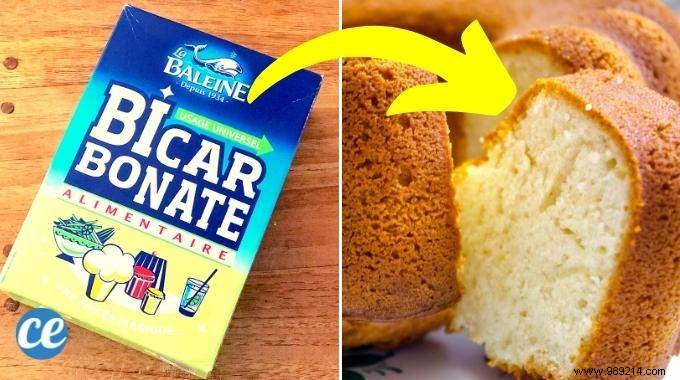
Baking soda is a game-changer for home bakers aiming for perfect cakes. As a seasoned baker who's relied on tips from professional pastry chefs, I've seen firsthand how it transforms dense batters into light, digestible delights.
This simple ingredient ensures exceptionally soft results, rivaling Top Chef-level cakes. It's straightforward to use in any recipe—here's how:
 Contents
 1. Add 1 teaspoon of baking soda per 200 to 250 g of flour.
2. Include 1/2 teaspoon of cider vinegar, lemon juice, or yogurt to activate it.
3. Skip extra salt—baking soda provides natural salinity.
With this magic powder, your homemade cakes become incredibly light, airy, and easy to digest. The process is simple, quick, and reliable.
Expect a noticeably fluffier texture that's perfect for chocolate or jam rolls. Your batter rises beautifully, delivering bakery-quality treats.
In the U.S., bakers commonly use it as a baking powder substitute for these reasons.
- Sift the baking soda with your flour for even distribution in the batter.
- It reacts instantly upon mixing (unlike yeast, which needs heat), so bake the batter promptly after combining ingredients.
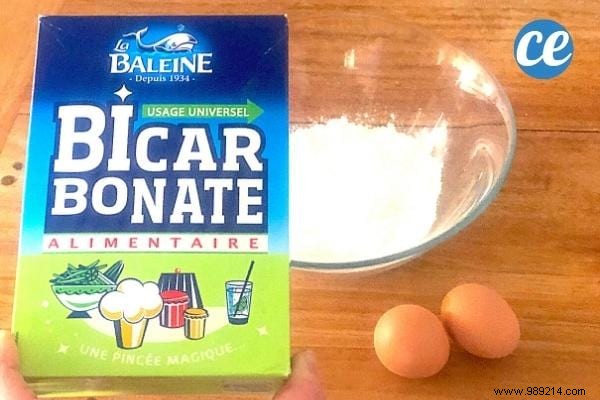
One teaspoon replaces a standard sachet of baking powder—for 200 to 250 g of flour.
For 1 kg of flour, limit to 3 teaspoons max. For cookies, use just 1/4 teaspoon.
Baking powder runs out? Baking soda is the ideal swap. While baking powder contains baking soda plus phosphates, acids like cream of tartar, and stabilizers like wheat flour:
- It helps avoid excess phosphates in your diet.
- Ideal for gluten-free baking, as most commercial powders include wheat starch.
- Promotes easier digestion without encouraging overindulgence.
Baking soda lightens cakes and bread by releasing carbon dioxide bubbles, creating perfect rise and lift.
It also aids digestion. Crucially, pair it with an acid—like vinegar, lemon juice, yogurt, or honey—to trigger the reaction.
