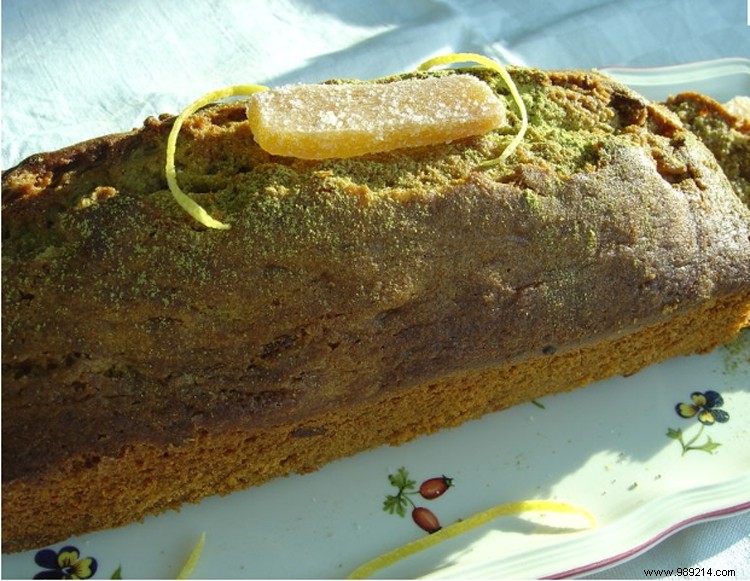
This exquisite cake boasts an incredibly soft texture, making it ideal for sharing with loved ones during afternoon tea or brunch. It masterfully balances the tender crumb of the batter, the subtle astringency and deep umami sweetness of organic matcha powder, and the warm, spicy kick of candied ginger.
Matcha is a premium Japanese green tea powder, crafted by meticulously stone-grinding the finest organic leaves from Japan's Aichi region.
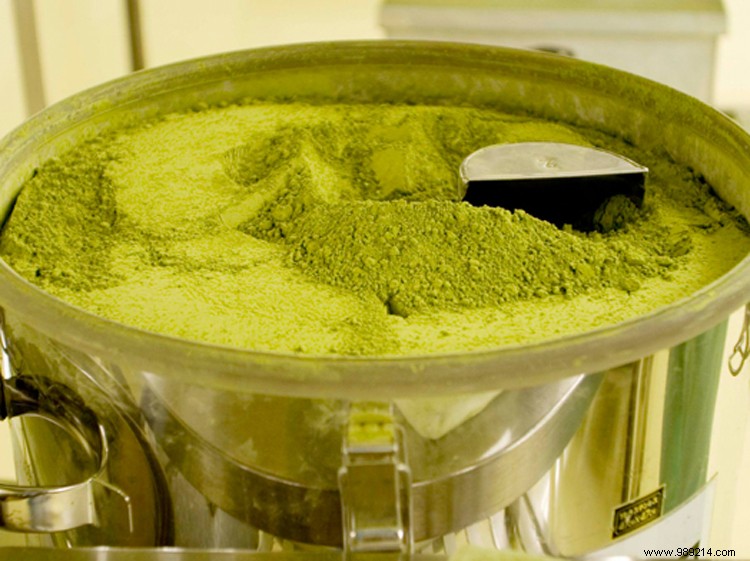
In the 21st century, this 800-year-old tradition is experiencing a well-deserved revival. Originally developed by Buddhist monks as a meditation aid, matcha is now hailed as Japan's pinnacle of tea quality. Its enthusiasts appreciate its unique flavor profile and health benefits. Always opt for organic matcha, as you'll consume the entire pulverized leaf.
Matcha's preparation makes it the most antioxidant-rich tea available.
This rare tea displays a vibrant, luminous green hue—a hallmark of freshness and superior quality. If it dulls to yellow, its potency may have faded.
For this recipe, choose versatile organic culinary-grade matcha like BIO TSUKI, perfectly suited without needing pricier ceremonial grade. Source high-quality options at https://www.the-passion.fr/.
Twenty to thirty days before harvest, tea bushes are shaded with bamboo arbors to diffuse sunlight. This enhances photosynthesis, slows leaf growth, deepens the green color, and boosts amino acids for a sweeter flavor.
Post-harvest, delicate leaves are steamed, dried, and rolled into tencha, then stone-ground and sifted into fine, pale green matcha powder.
Amino acid content defines matcha's rich, sweet intensity—hallmarks of the finest harvests.
Matcha has long starred in Japanese sweets and pastries. Today, it's blended into matcha lattes (with milk and sugar), chocolates, candies, cakes, biscuits like financiers and macarons, shortbread, langues de chat, ice creams, and sorbets.
Photo credits: Flickr, Alpha – matcha latte; Joy – Making matcha mochi cupcakes
