Christmas gatherings bring families together for festive meals and cherished traditions, including the indulgence of the iconic Yule log dessert. As a culinary historian with years exploring holiday customs, I've delved into its rich history.
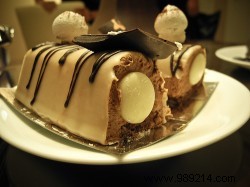
Curious about the ancient origins of this beloved custom? The Yule log tradition traces directly to Nordic countries, particularly the Vikings. Known as the 'Yule Log' or 'fire of Yule,' it marked the winter solstice—a time of long, cold nights when families huddled around a massive fire for warmth and celebration.
Over centuries, this practice spread across Europe, reaching Greece, Great Britain, France, and Belgium. In the sixth century, Pope Julius I integrated it into Christmas by linking the pagan rite to the Nativity. On Christmas Eve, households burned a large log from a fruit tree, selected with care and adorned with ribbons.
Today's rolled cake version emerged in 19th-century France during Napoleon's era. An epidemic led to fireplace bans, prompting bakers to create edible logs that mimicked the wooden ones. This pastry innovation fully replaced the burning log, becoming a centerpiece for family gatherings.
Though many overlook its historical significance today, the Yule log remains a holiday favorite, available in diverse flavors as a delightful dessert.
Whether savoring its chocolatey richness or another variant, it caps Christmas Eve perfectly.
Bon appétit and Merry Christmas to all!
Photo credit: skywithfireflies
